
2.3K
GUY GEVA | Sometimes beauty can also be simple
Copyright to Guy Geva © All Rights Reserved
It seems that the world of photography today aspires to perfection, especially regarding landscape photography. I do not know whether the manufacturers started the revolution, the photographers created the demand for it (and the producers will line up with the desire for “perfect” equipment), or whether it happened in parallel. In any case, whoever will be the first to start this race, the result is already here, and today, manufacturers are making an increasing effort to produce the perfect equipment. Whether it’s a camera body with an increasing number of megapixels that produce ever-increasing dynamic ranges, and processors that allow for shooting at high ISO while keeping the image smooth and clear of noise, and at the same time preserving as many details as possible. The lenses also underwent optical progression and are of unprecedented quality. Companies such as Zeiss, for example, produce lenses that can almost eliminate image distortions, even in wide-angle lenses, and eliminate unwanted flares, producing sharp contrasts and amazing resolution.
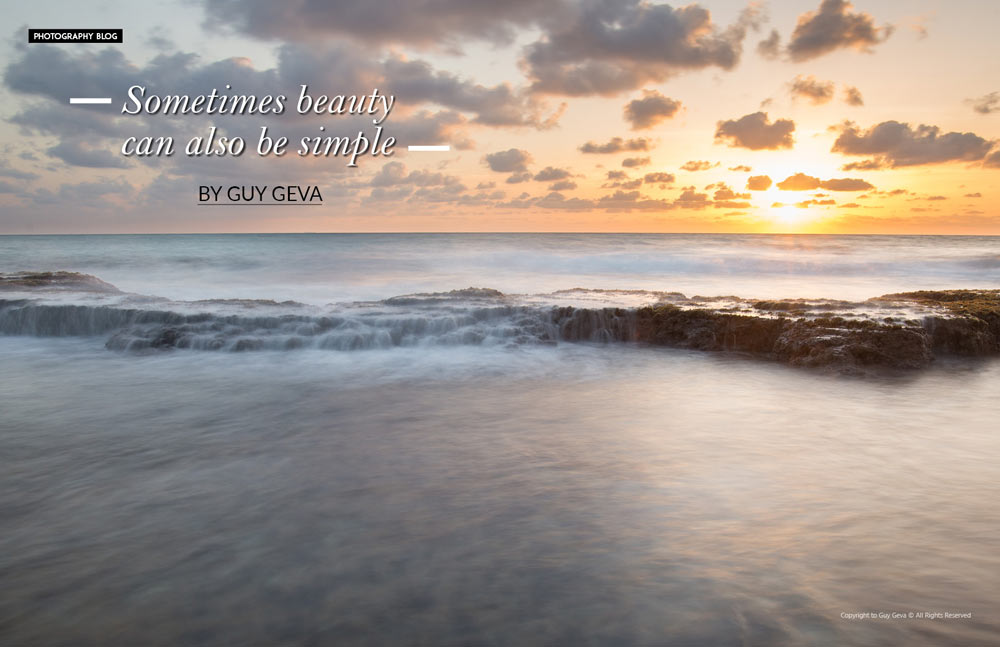
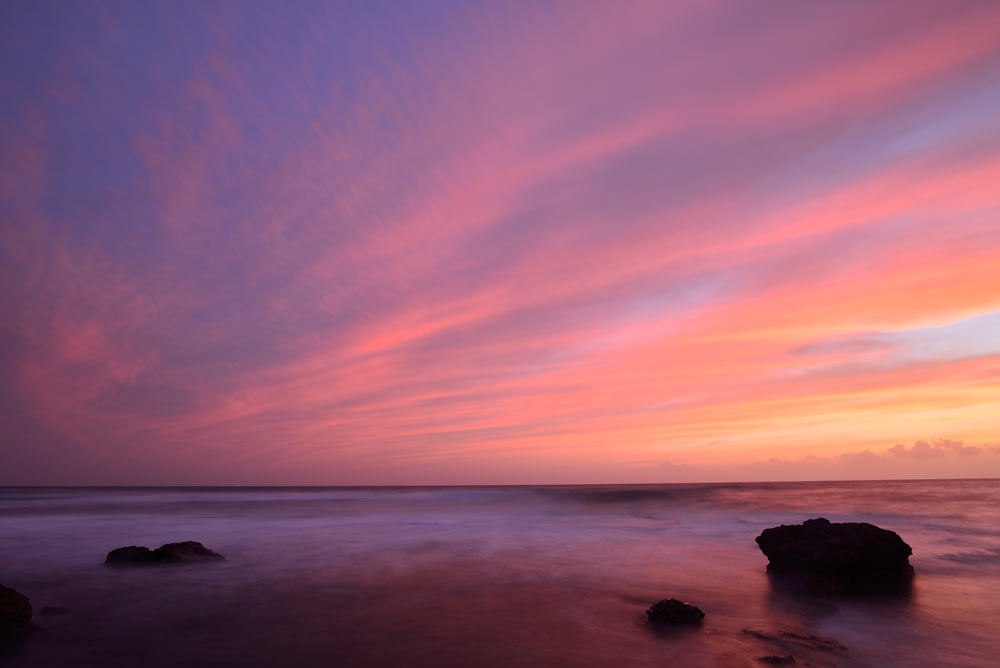
Landscape photography strives for perfection. Manufacturers and, of course, photographers try to create the perfect picture, which does not exist at all in reality. Landscape photographers are now dealing with much more than ever in HDR photography, even if it will not be more realistic. Such as taking sunset photos with rocks in the sea, although it may not be rocks without any shadow or dark sections, while the sun is low in the sky. The whole picture will be bright when all the necessary details stand out: the sky will not be burned (even if it is burned in reality because of the location of the sun in the sky), the colors will be so rich that it is clear to the viewer that there are no such colors in reality. Today, filters allow exposures of 20 stops under the existing light conditions, and the waves’ exposure will be so smeared that the sea can, in some cases, bleach almost completely.
Copyright to Guy Geva © All Rights Reserved
In addition, there is almost an uncompromising demand for the use of filters rated to compare the intensity of light in the sky and in water. That they will be equal even if it is not possible (probably by chance, using a filter that produces long exposure in a disproportionate way). But a photographer who does not meet these requirements seems to be ignorant. That’s a picture that needs to be, if not perfect, at least on the verge of perfection in terms of dynamic range. This affects the points of shadow and burning that exist in reality, and all of them need to be eliminated.
Copyright to Guy Geva © All Rights Reserved
The use of as high an ISO as possible was avoided, as was the use of celestial bodies. Although there is some justice in the fact that landscape photography usually prints in large sizes (at least most of my customers over the years have been interested in large prints), there is still room for some noise in landscape photography, and sometimes even for something magical. However, with today’s technology, it seems this too is disappearing, as manufacturers compete to produce as many silent images as possible at ISO 12,000 or higher.
The problem with high ISO, in my opinion, is not the “noise” created but how it looks. The sensor consists of pixels, and at high ISO you can see that the picture is composed of a collection of squares. In the period of films, the salt grains were random in shape, so that the “noise” would seem more “natural” and pleasant to the eye, thanks to the different shapes of the salt grains.
Copyright to Guy Geva © All Rights Reserved
In an attempt to create the perfect landscape, there is a desire to change reality to fit an ideal of beauty that does not exist. Like models that are far above “human beauty” thanks to image processing software. This is also true of the “plastic” landscape photography of magical sunsets that do not occur with such high frequency or everywhere, and therefore intensify landscape photography far beyond reality by increasing color saturation in computer programs and using filters that extend exposure times far beyond what is possible.
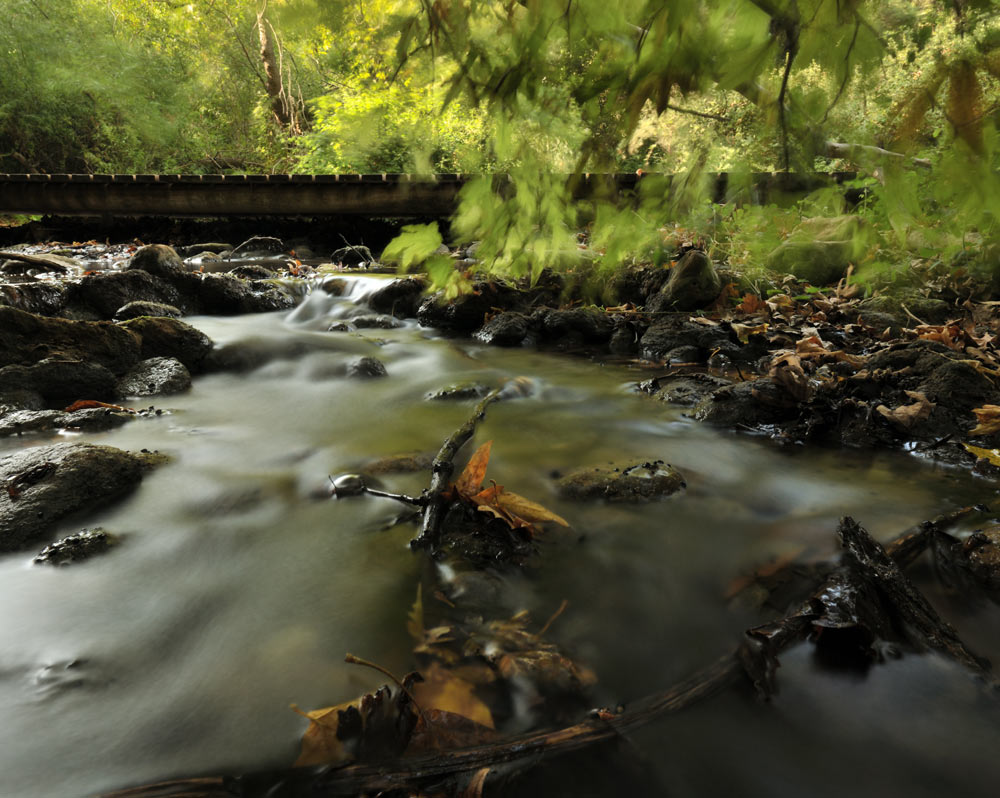
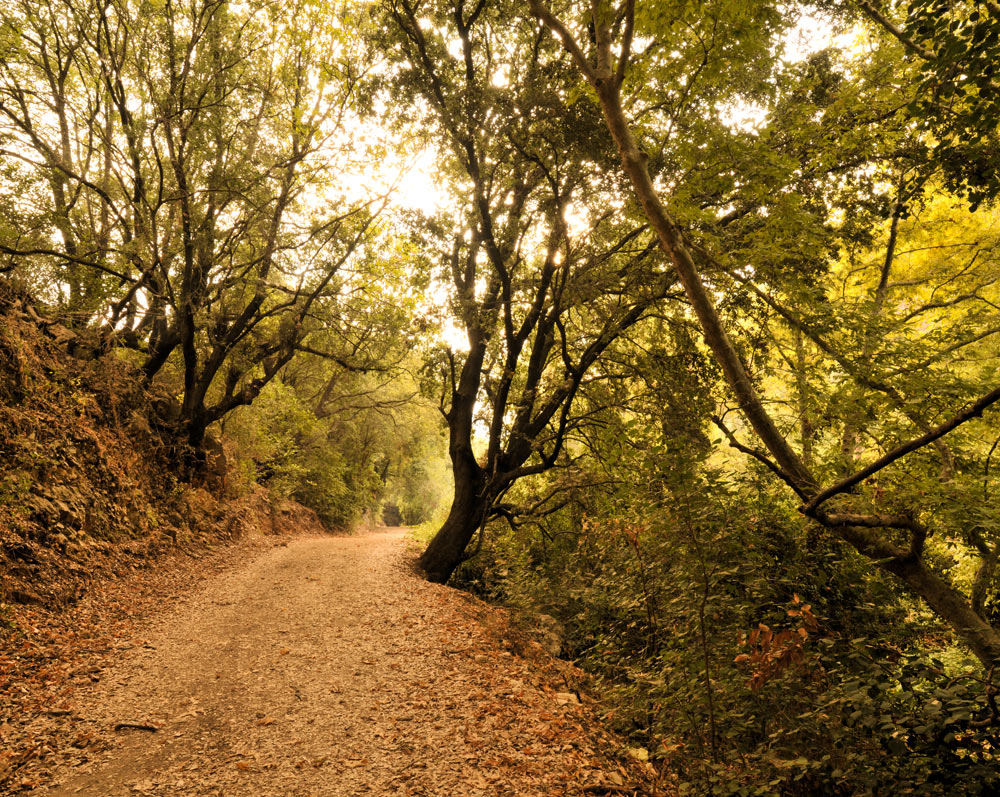
In many cases, the landscape is as beautiful as it is. Without the “milk water”. But with a sun that burns the sky. A stream we reach flows with a slight noise that cannot always be seen when captured with exposure-blocking filters. The ripples of the water can produce interesting shapes and reflections that, without spreading, can give the spectator the possibility of understanding how the place would look and what is beautiful in it.