
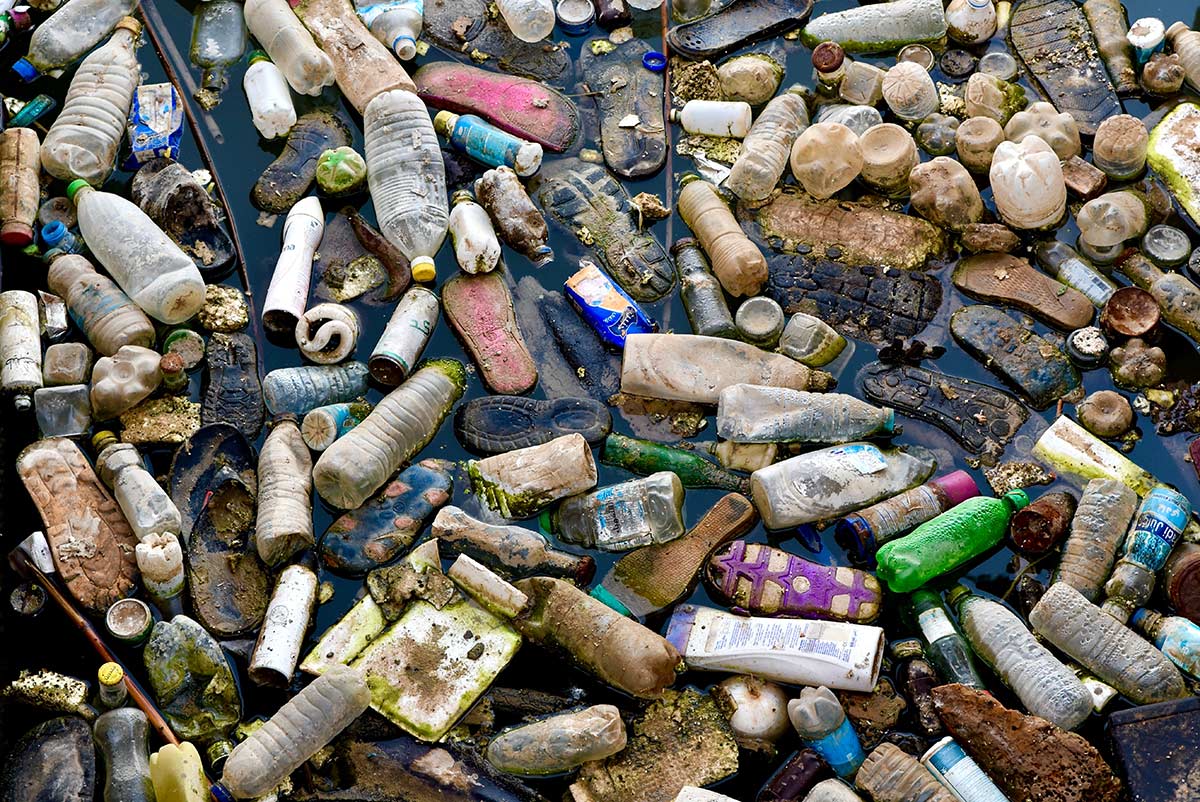
Holger Hoffmann | Waste Mismanagement
– Dystopia or Reality?
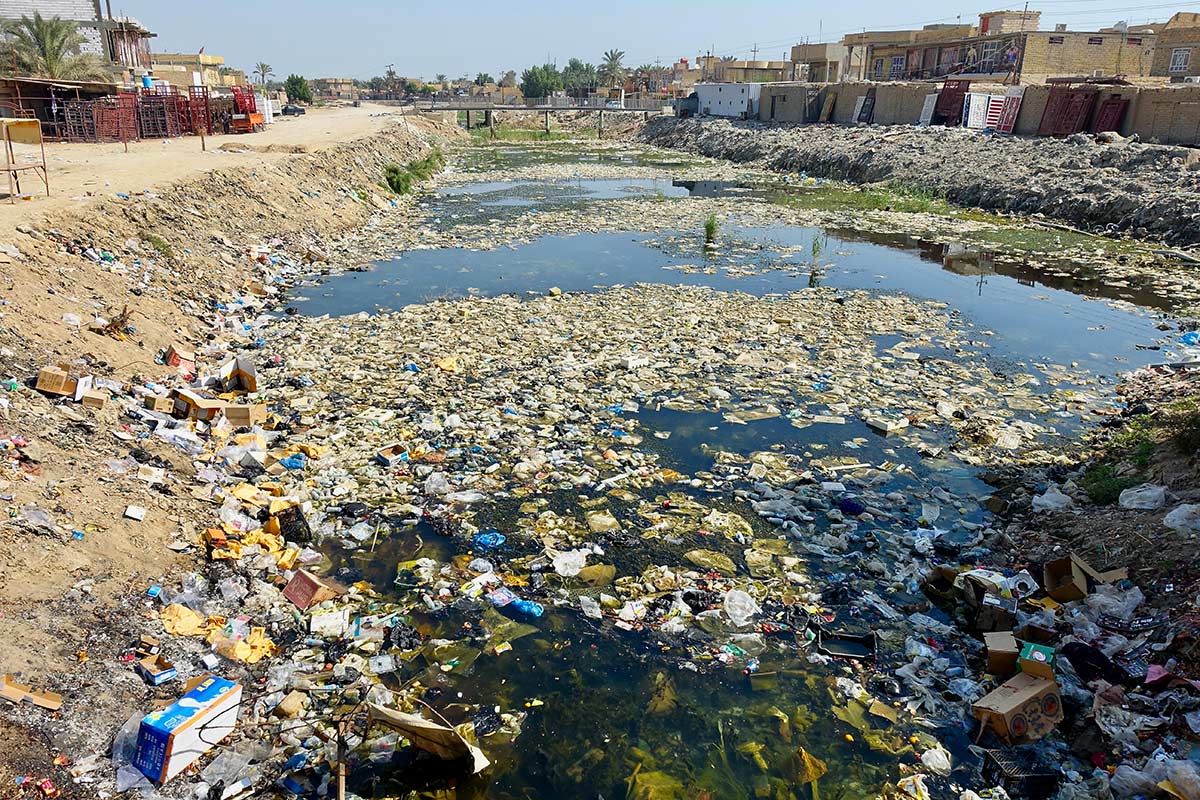
Waste. Iraq
Holger Hoffmann © All rights reserved.
Recent studies indicate that the world currently produces over two billion tons of solid waste annually, a figure projected to rise significantly in the coming decades due to population growth, urbanization, and changing consumption patterns. This surge in waste generation is pushing existing waste management systems beyond their limits and exposing profound structural, political, and social weaknesses—particularly in developing countries.
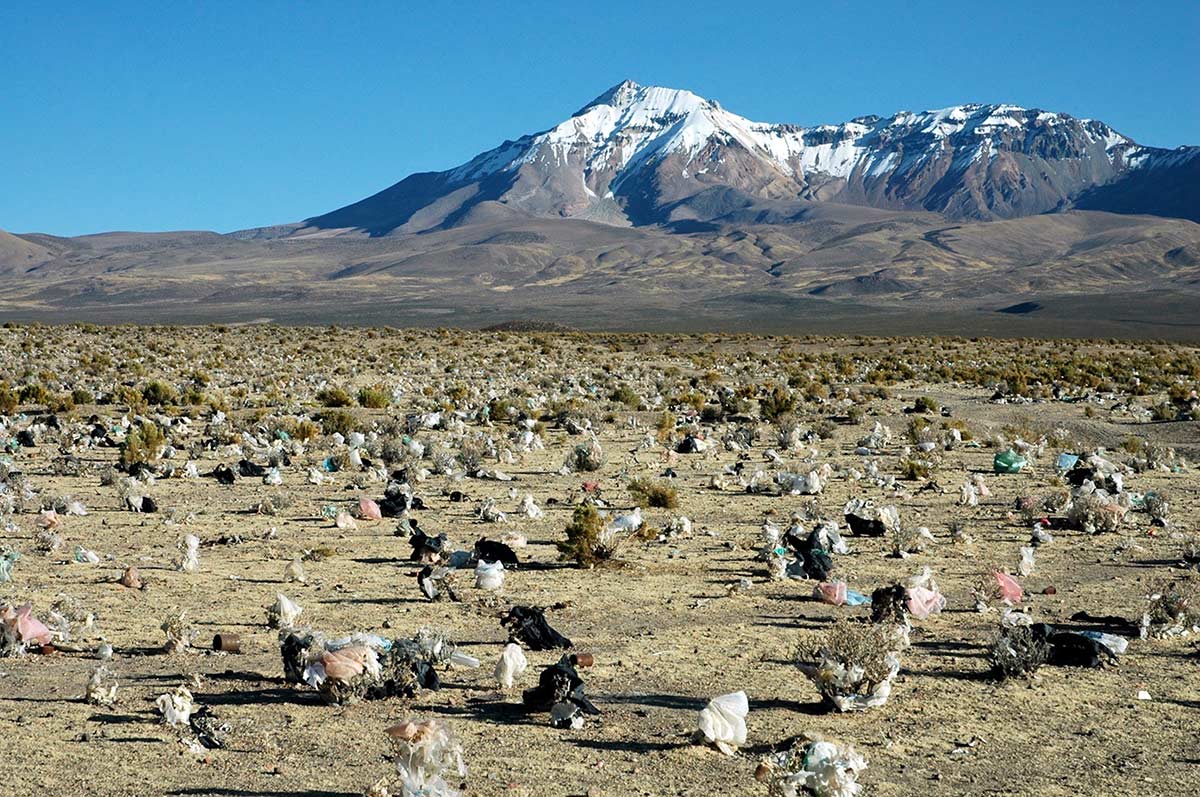
Waste. Chile
Holger Hoffmann © All rights reserved.
The global waste crisis is inseparable from urbanization. The more urbanized a country becomes, the more waste it generates. Cities concentrate people, economic activity, and consumption, all of which produce refuse at scale.
In rapidly urbanizing regions of Asia and Africa, waste generation is expected to double in the near future. These cities often expand faster than infrastructure can be built, resulting in informal settlements without regular waste collection services. Consequently, waste accumulates in streets, waterways, and open dumps, creating severe environmental and public health risks.
Plastic waste exemplifies the irrationality of current consumption systems. Globally, approximately 1 trillion single-use plastic bags are used each year—about 2 million every minute. The energy required to manufacture just twelve plastic shopping bags could drive a car for 1.5 kilometers, highlighting the inefficiency and environmental cost of disposable culture. When such waste is not properly collected or processed, it clogs rivers and drainage systems, exacerbates flooding, enters the oceans, and contributes to the spread of disease in urban areas.
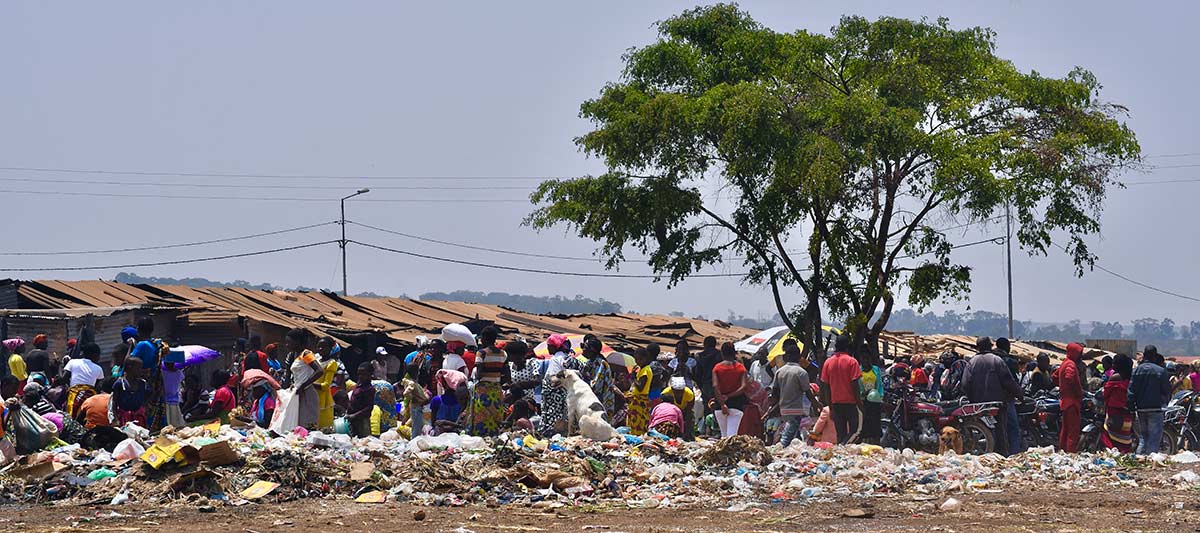
Waste. Angola
Holger Hoffmann © All rights reserved.
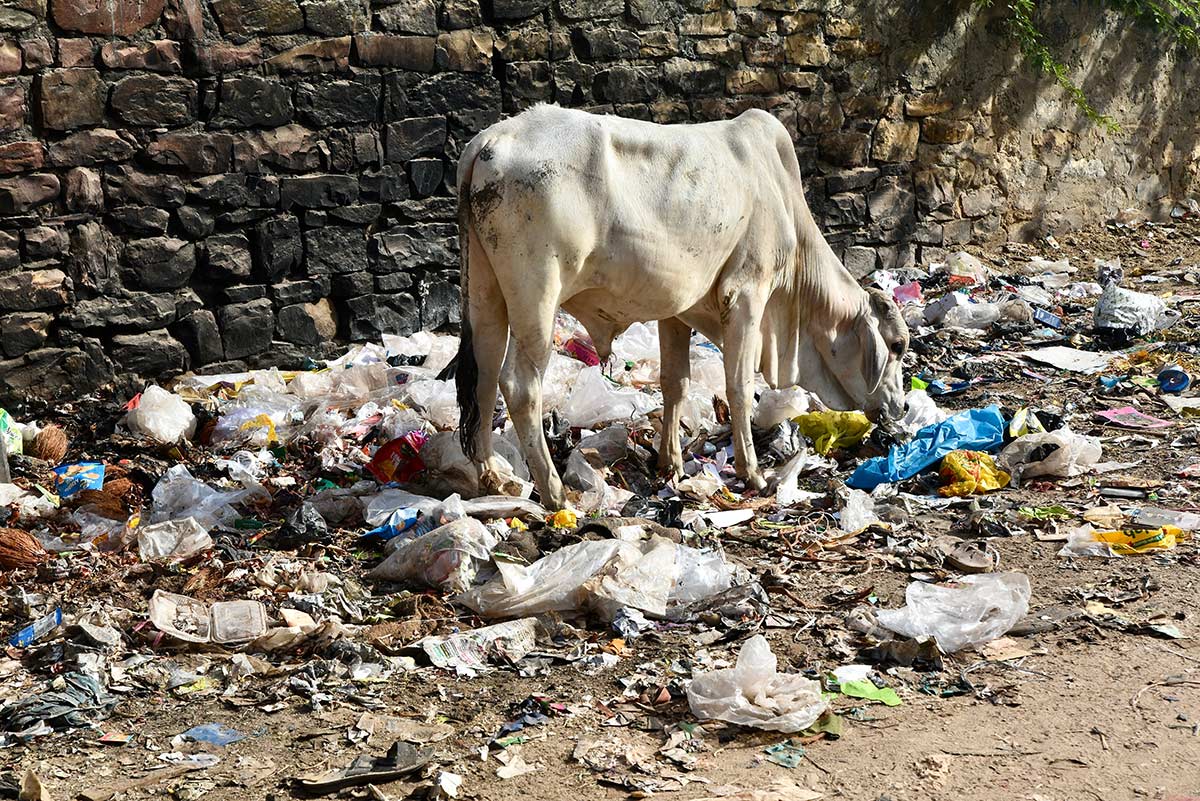
Waste. India
Holger Hoffmann © All rights reserved.
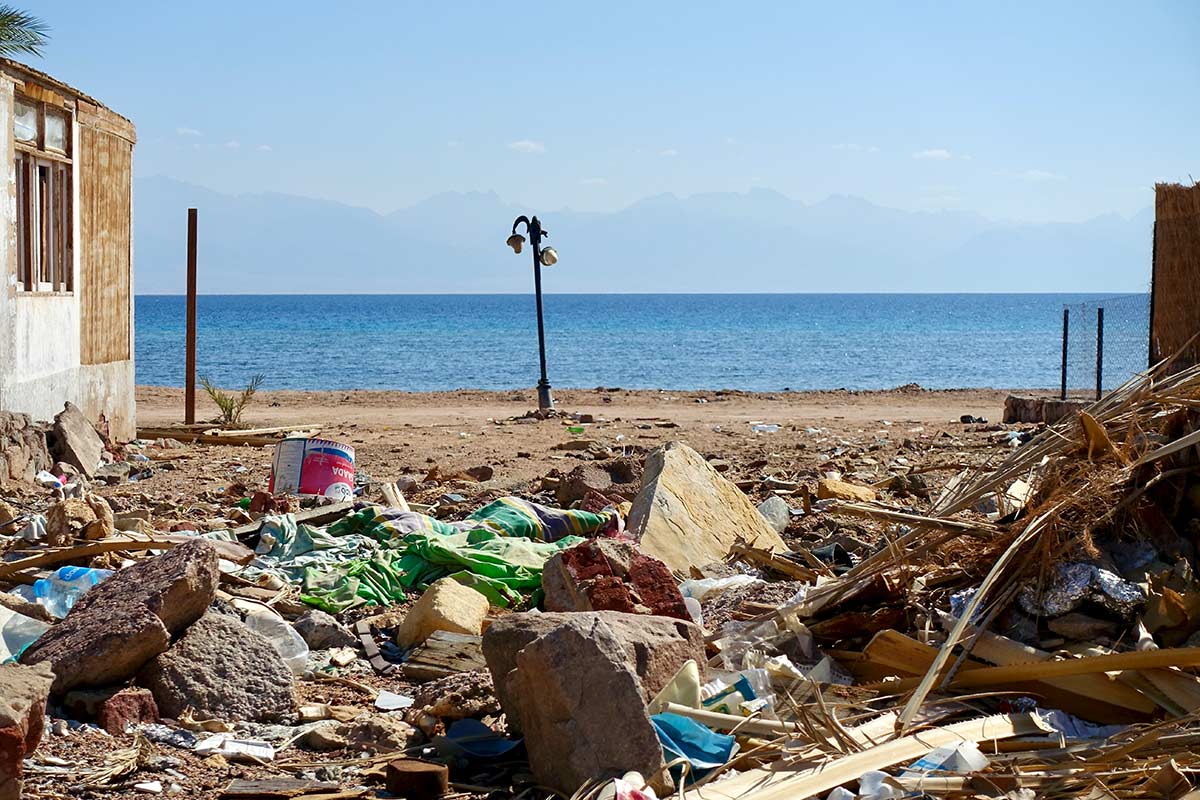
Egypt
Holger Hoffmann © All rights reserved.
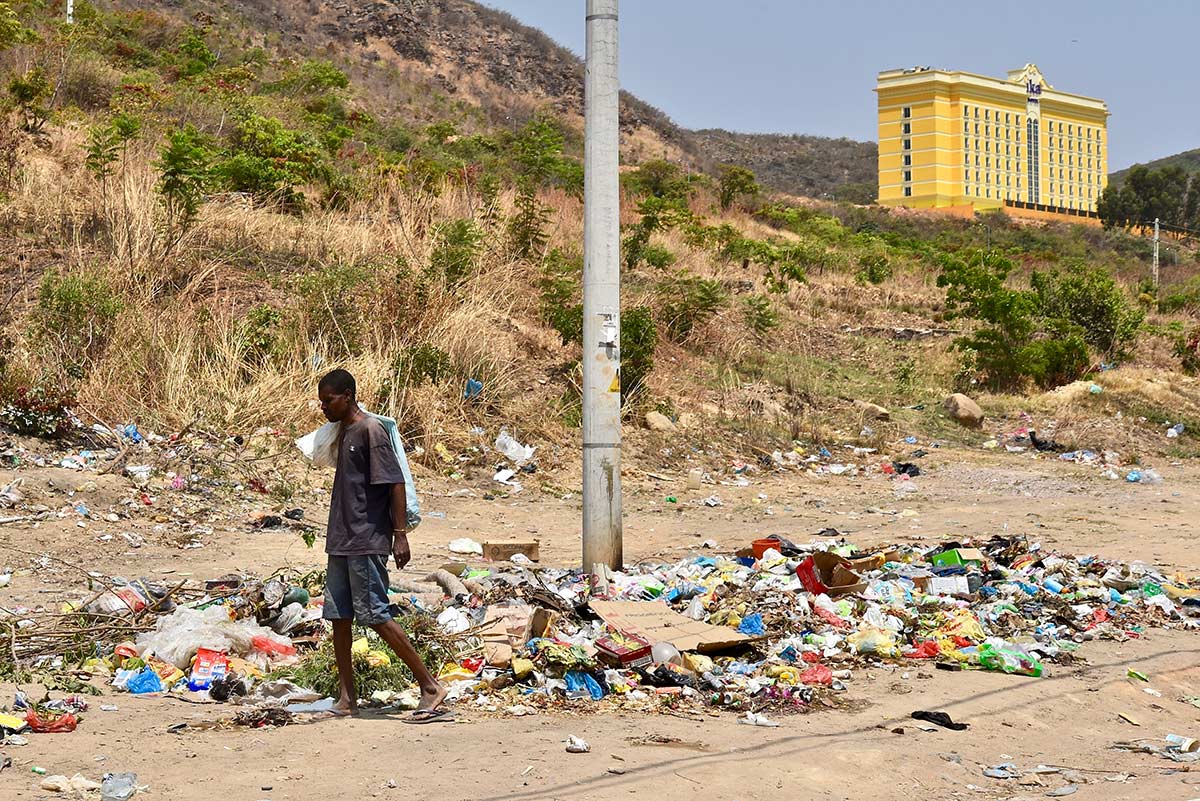
Waste. Angola
Holger Hoffmann © All rights reserved.
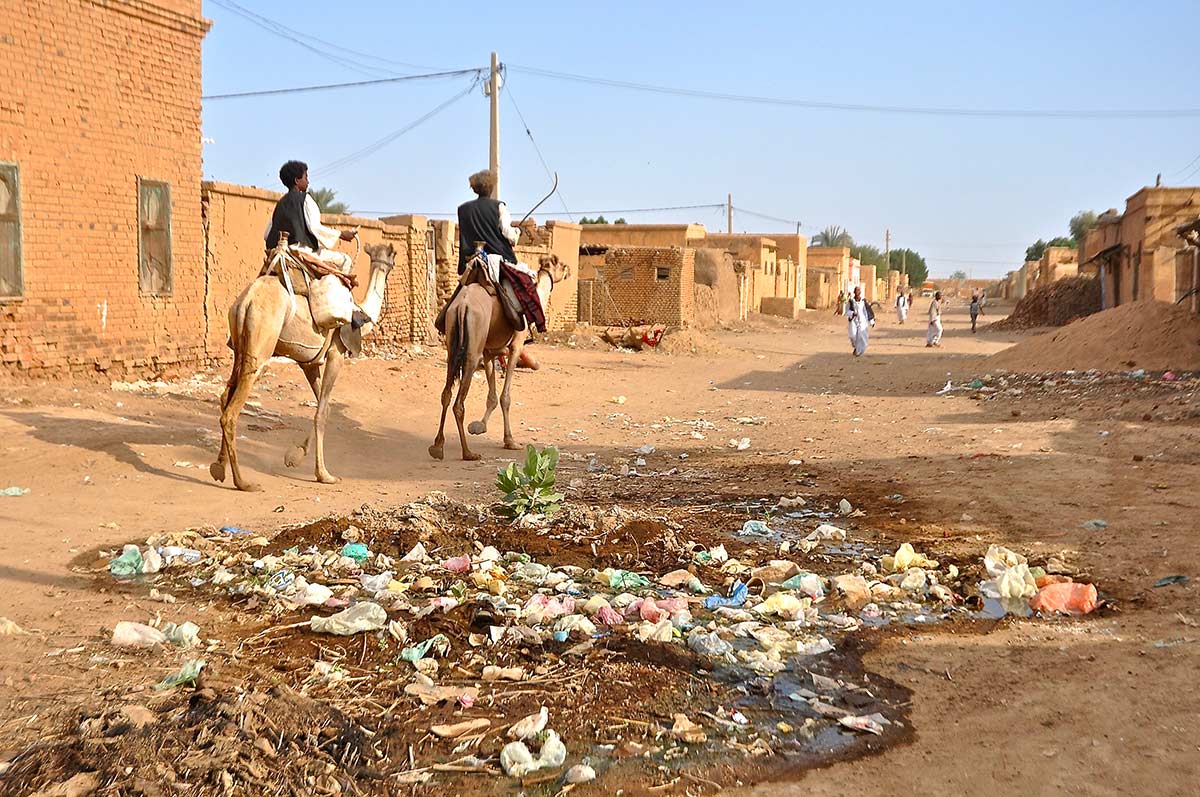
Waste. Sudan
Holger Hoffmann © All rights reserved.
Uncollected waste has direct and measurable consequences. Stagnant garbage attracts vermin, harbors pathogens, and increases the incidence of infections and respiratory illnesses. These impacts disproportionately affect low-income communities, reinforcing social inequality. The quality of waste management, therefore, is a revealing indicator of the state of civil society. Effective waste systems require public trust, institutional capacity, long-term planning, and collective responsibility. Where waste management fails, it often reflects broader governance deficits, weak public institutions, and limited civic engagement.
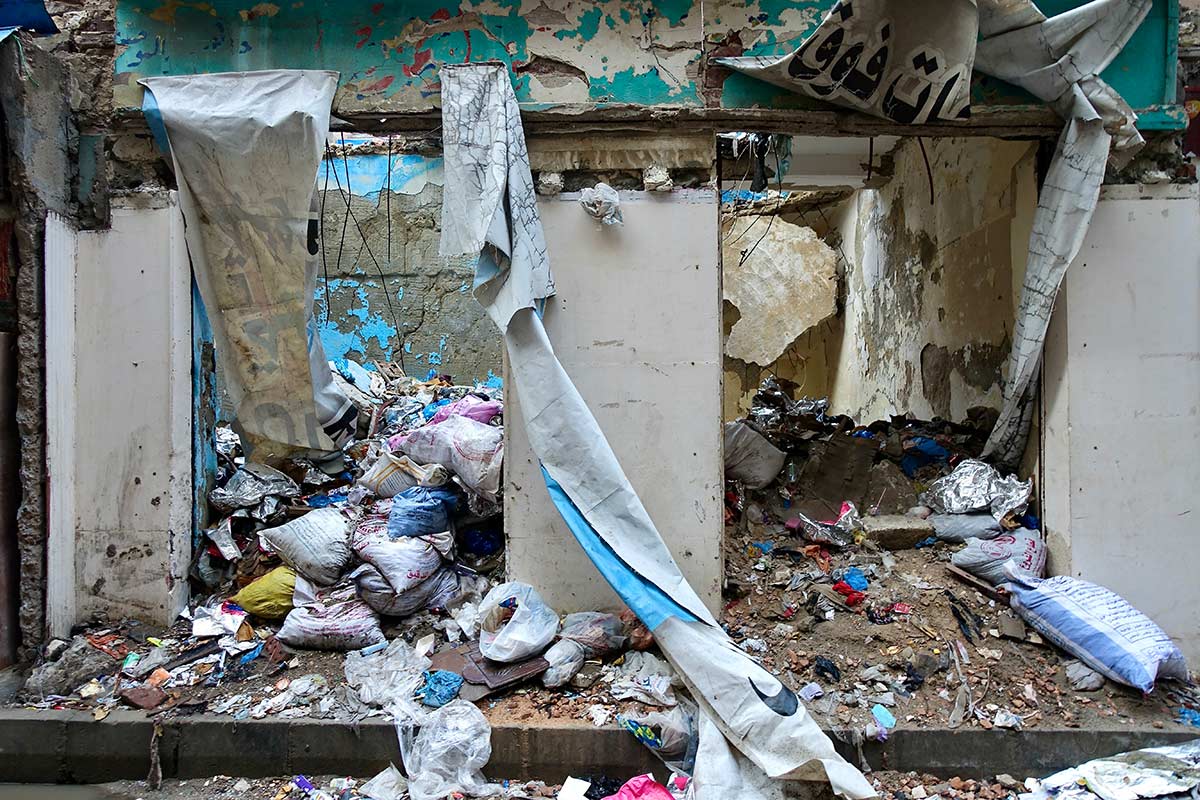
Waste. Egypt
Holger Hoffmann © All rights reserved.
“Plastic waste exemplifies the irrationality of current consumption systems. Globally, approximately 1 trillion single-use plastic bags are used each year—about 2 million every minute. The energy required to manufacture just twelve plastic shopping bags could drive a car for 1.5 kilometers, highlighting the inefficiency and environmental cost of disposable culture.”
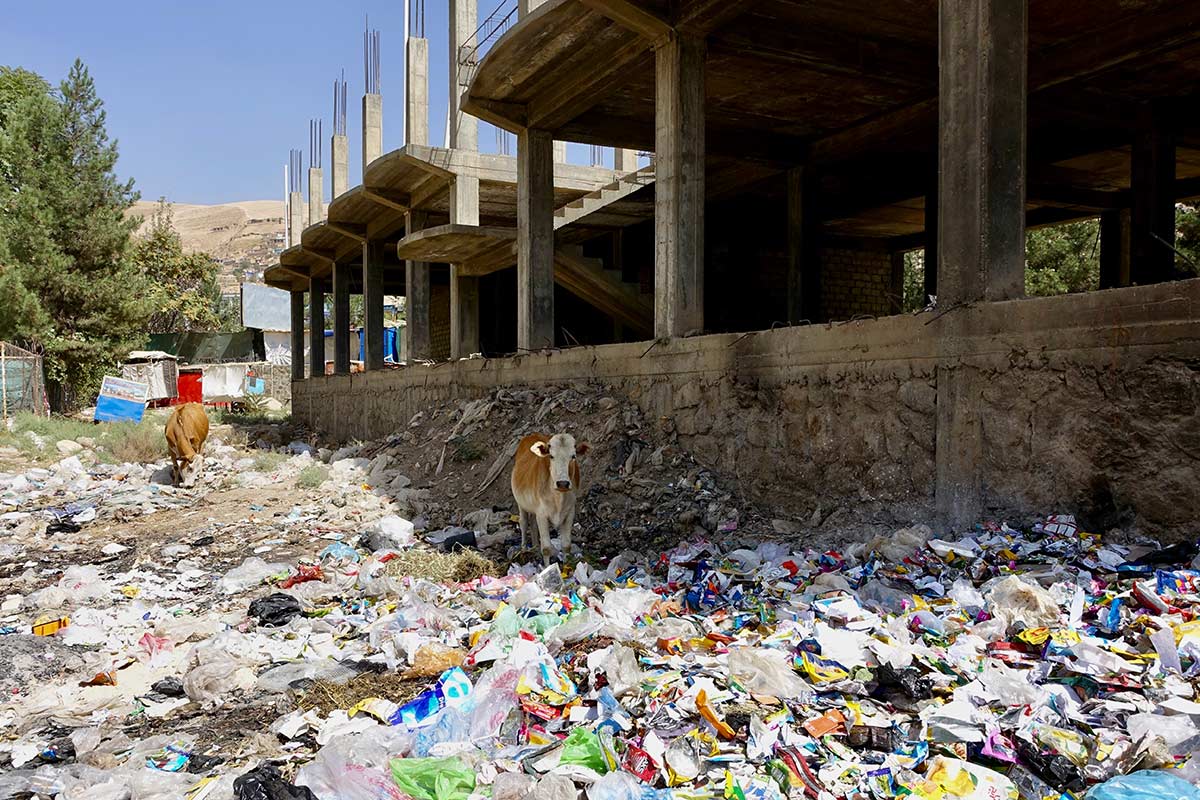
Waste. Afghanistan
Holger Hoffmann © All rights reserved.
Waste management in developing countries often fails due to a combination of factors: insufficient funding, lack of technical expertise, inadequate infrastructure, rapid population growth, and political neglect. Environmental protection is often placed low on political agendas, as policymakers prioritize short-term economic growth or electoral gains over long-term sustainability. Moreover, waste management is rarely perceived as a politically rewarding issue, despite its central importance to public health and environmental stability. Countries with patriarchal social structures often undervalue care-oriented labor, environmental stewardship, and community health—domains traditionally associated with women. When decision-making is dominated by narrow economic or power-based interests, investments in sanitation, waste collection, and environmental protection may be deprioritized.
Waste mismanagement is no longer a speculative dystopian scenario; it is an observable, escalating global reality and an urgent challenge. Addressing it requires political will, societal accountability, inclusive governance, and a fundamental rethinking of production and consumption patterns. The way societies manage their waste ultimately reflects how they value human health, environmental integrity, and collective responsibility.
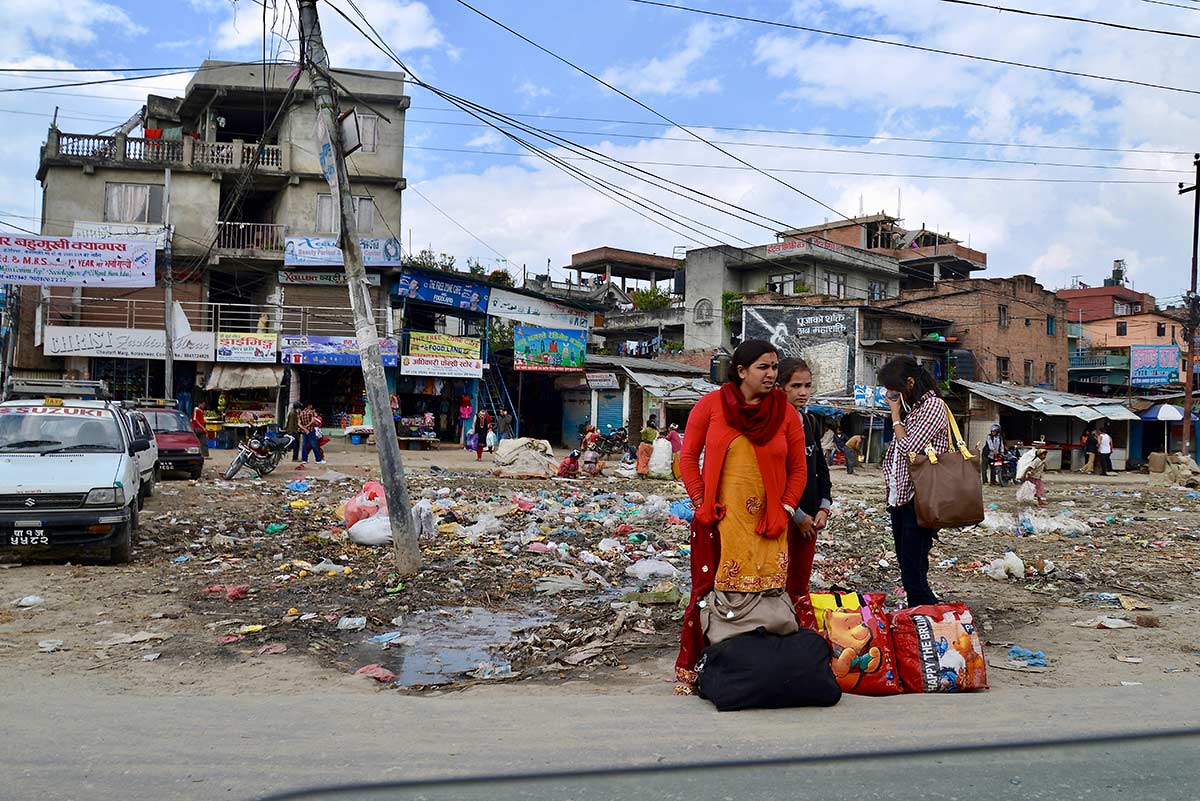
Waste. Nepal
Holger Hoffmann © All rights reserved.
Holger Hoffmann

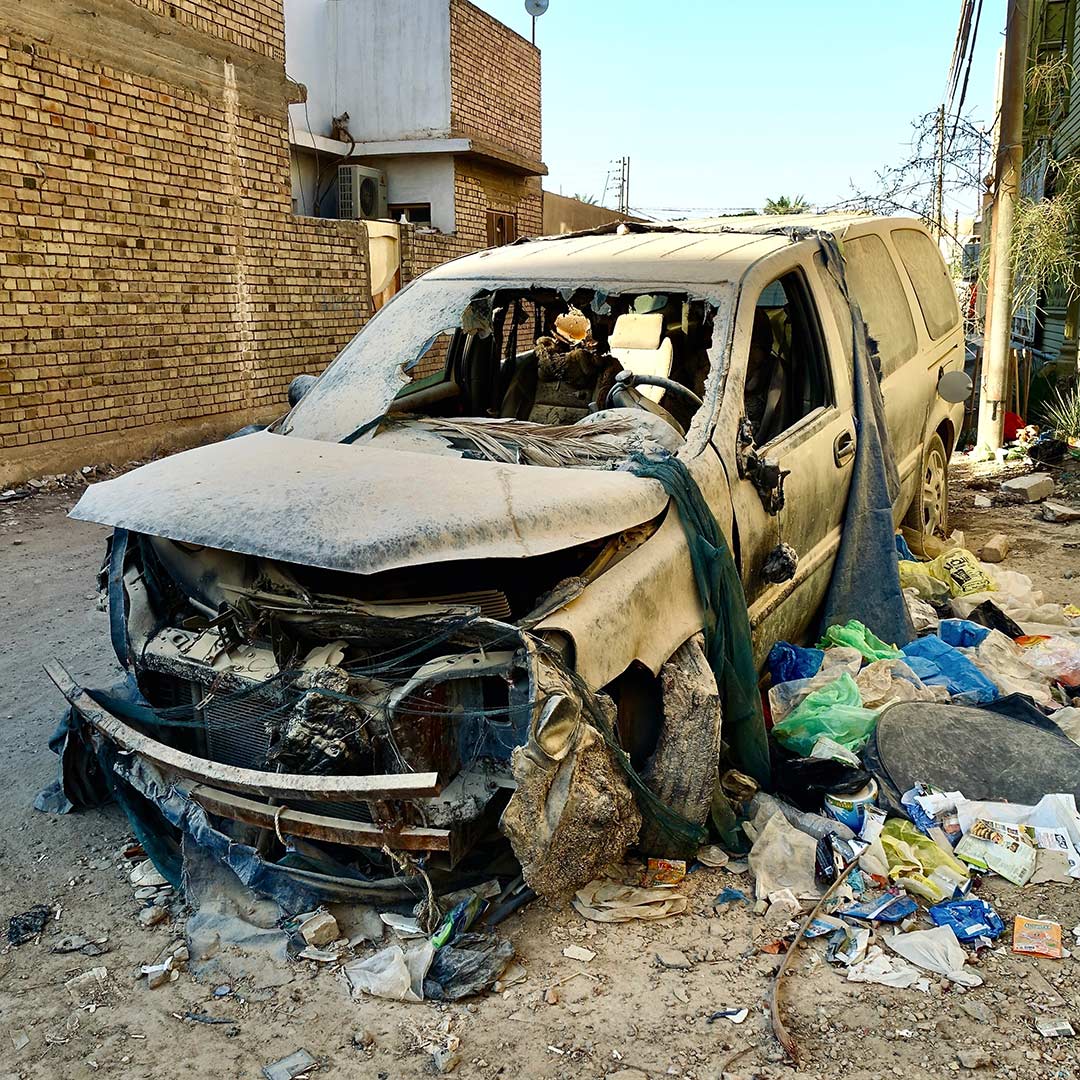
Right: Dystopia or Reality?
Waste. Iraq
Holger Hoffmann © All rights reserved.
Holger Hoffmann is a Swiss travel and documentary photographer.
To date, he has traveled to 110 countries. He is particularly fascinated by the customs and daily life of people who have preserved their traditional culture. He is deeply impressed by how they cope and adapt to the advances and pressures of the modern world. He has published numerous travel and photo reports in various magazines.