
Steff Gruber | The Narikuravar people of Tamil Nadu
Steff Gruber © All rights reserved.
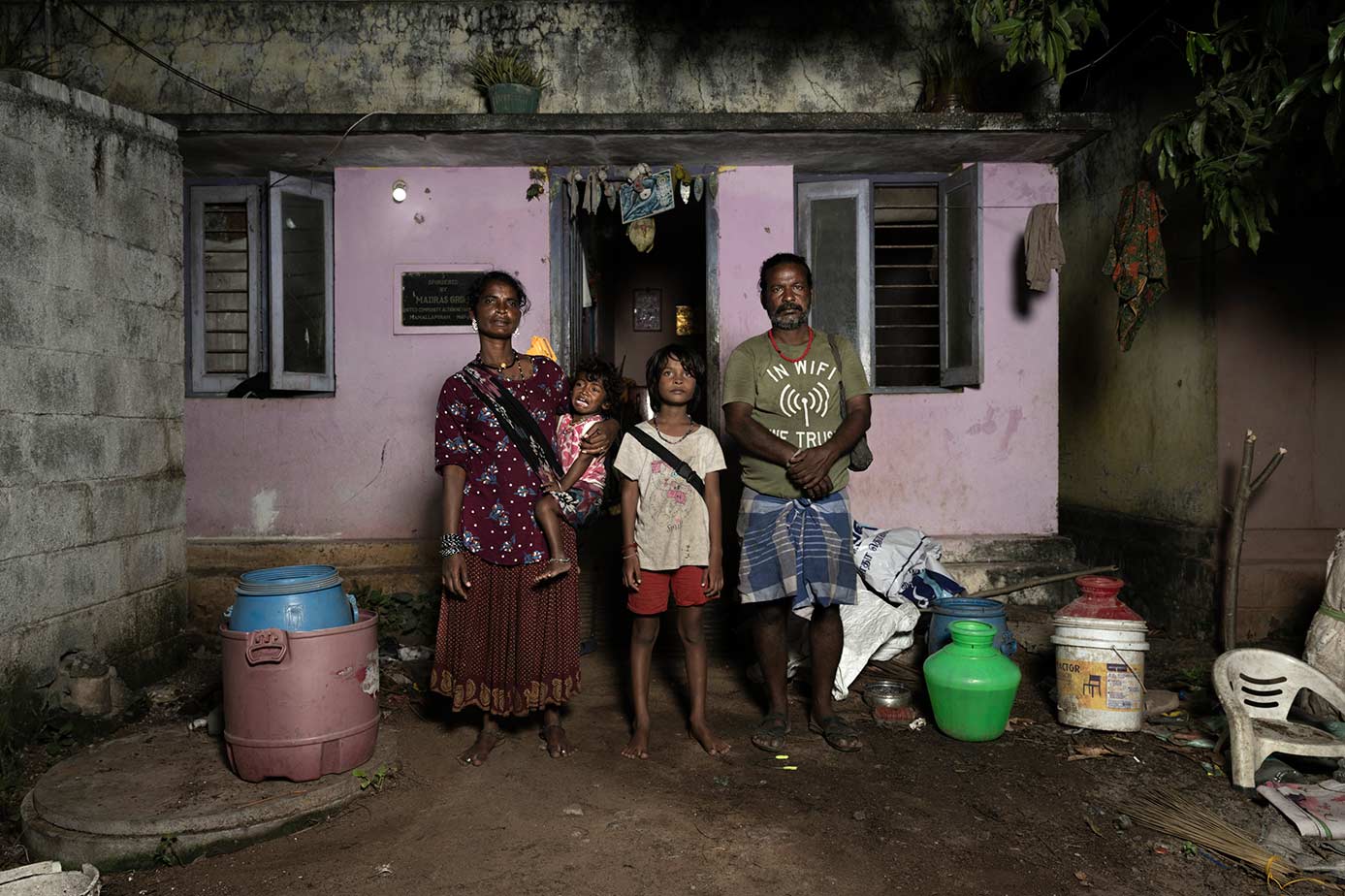
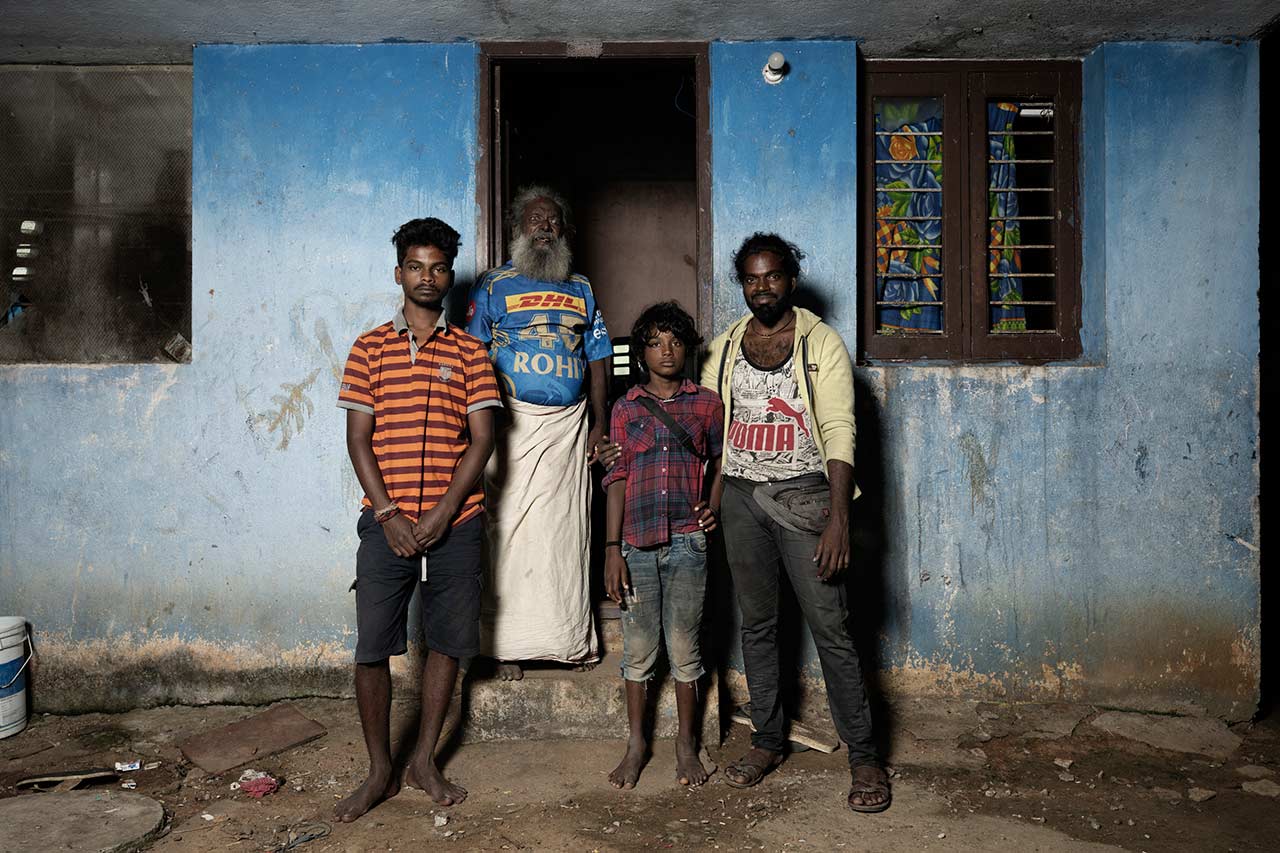
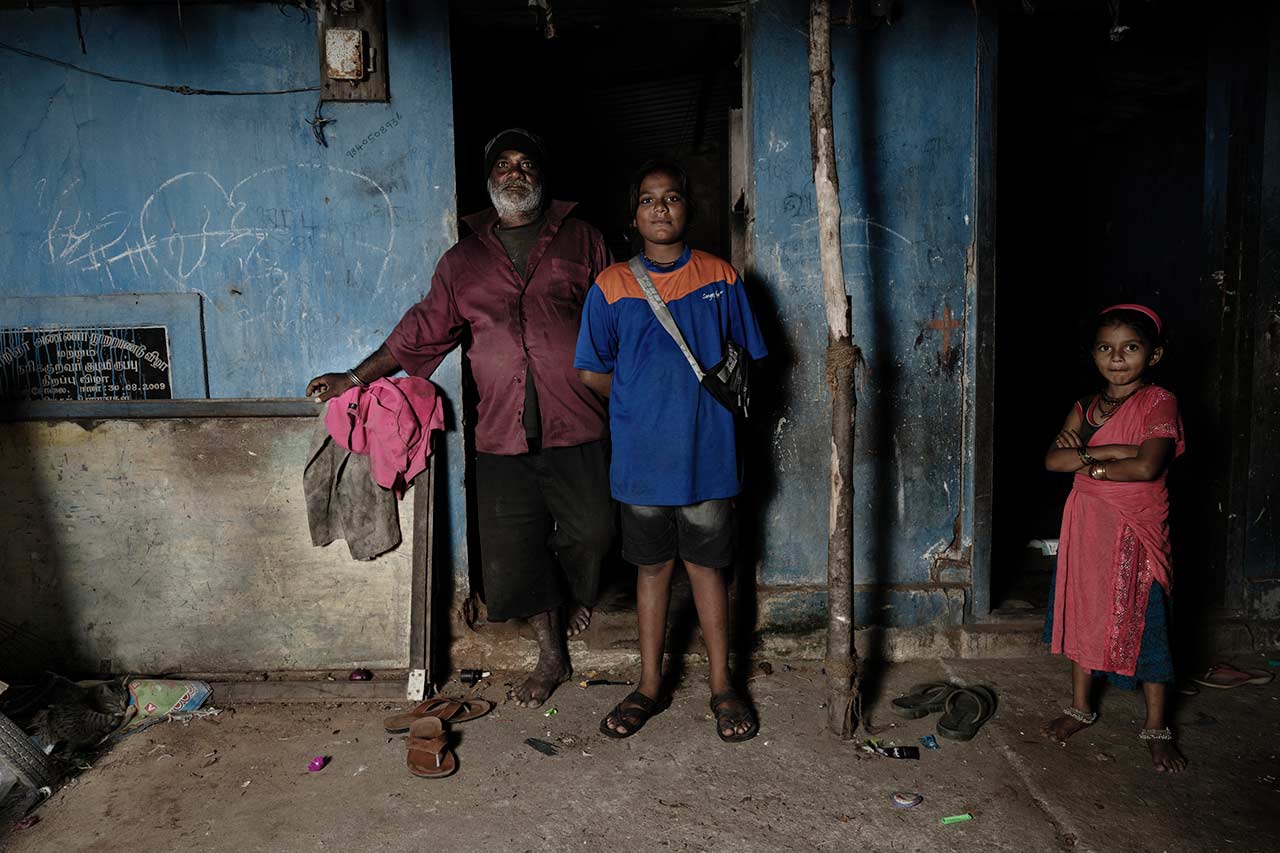
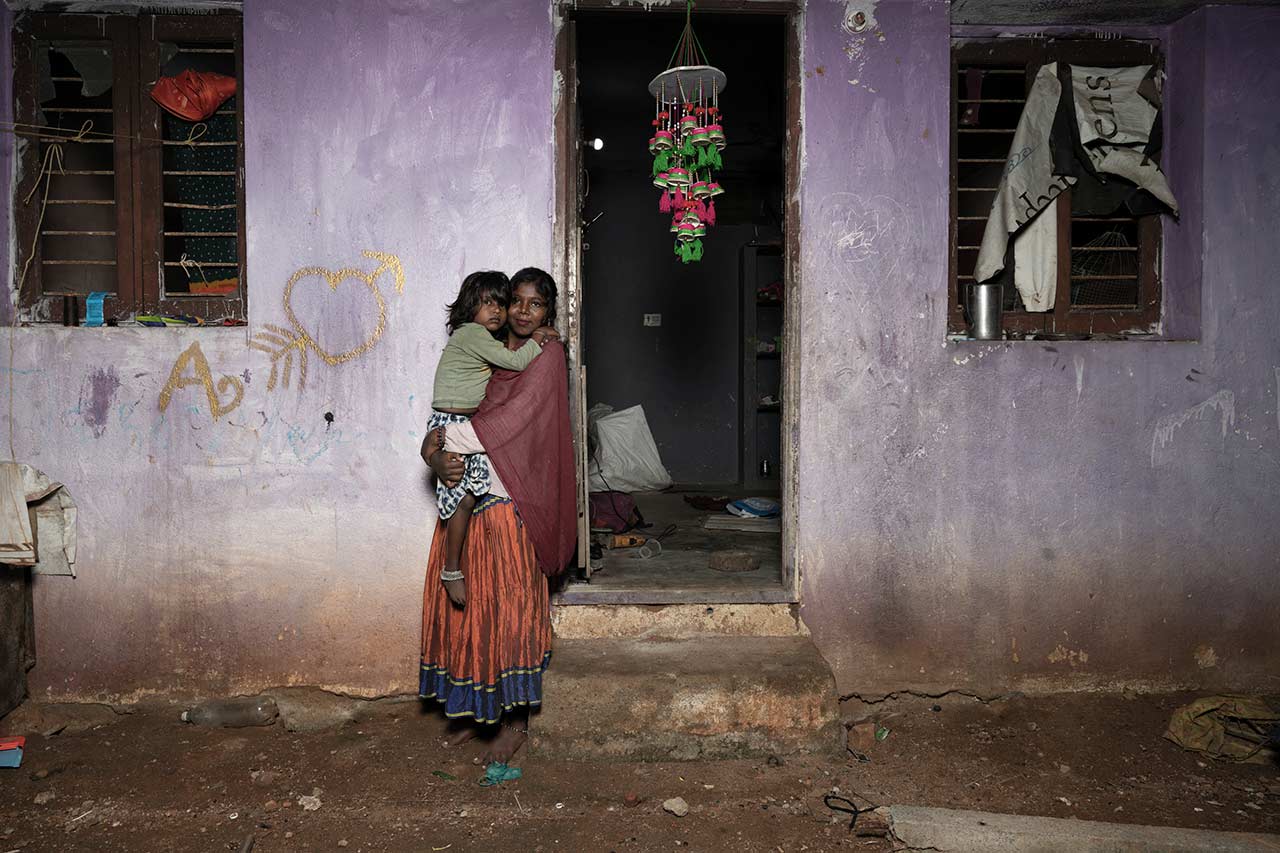
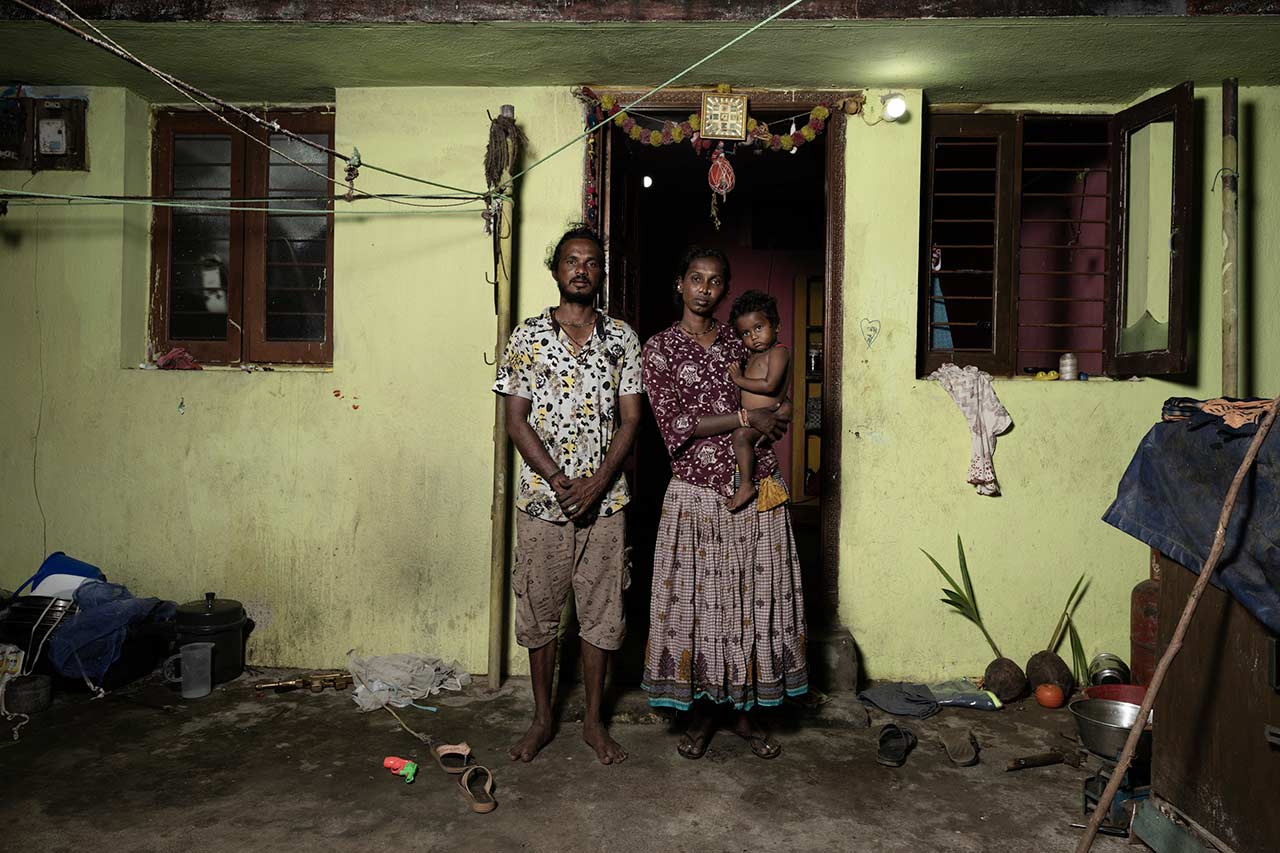
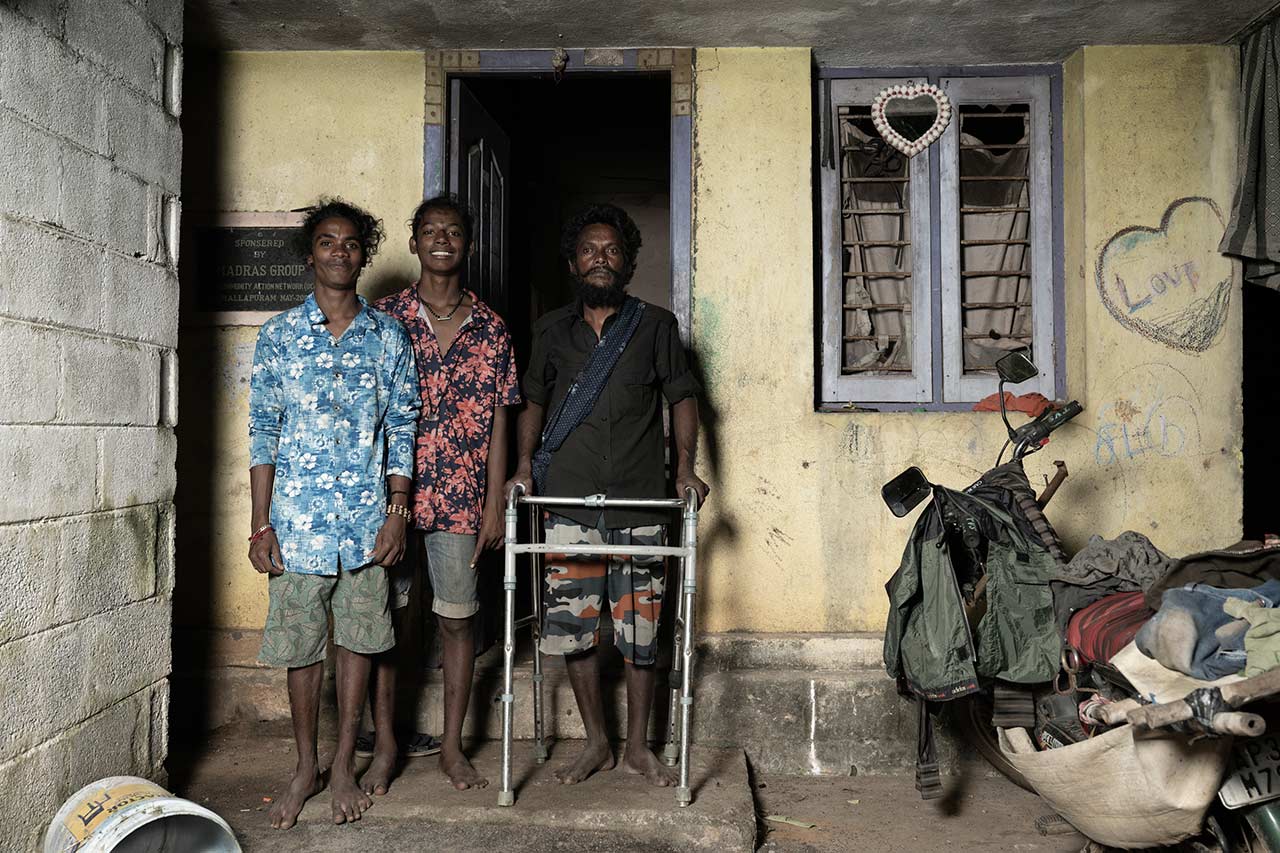
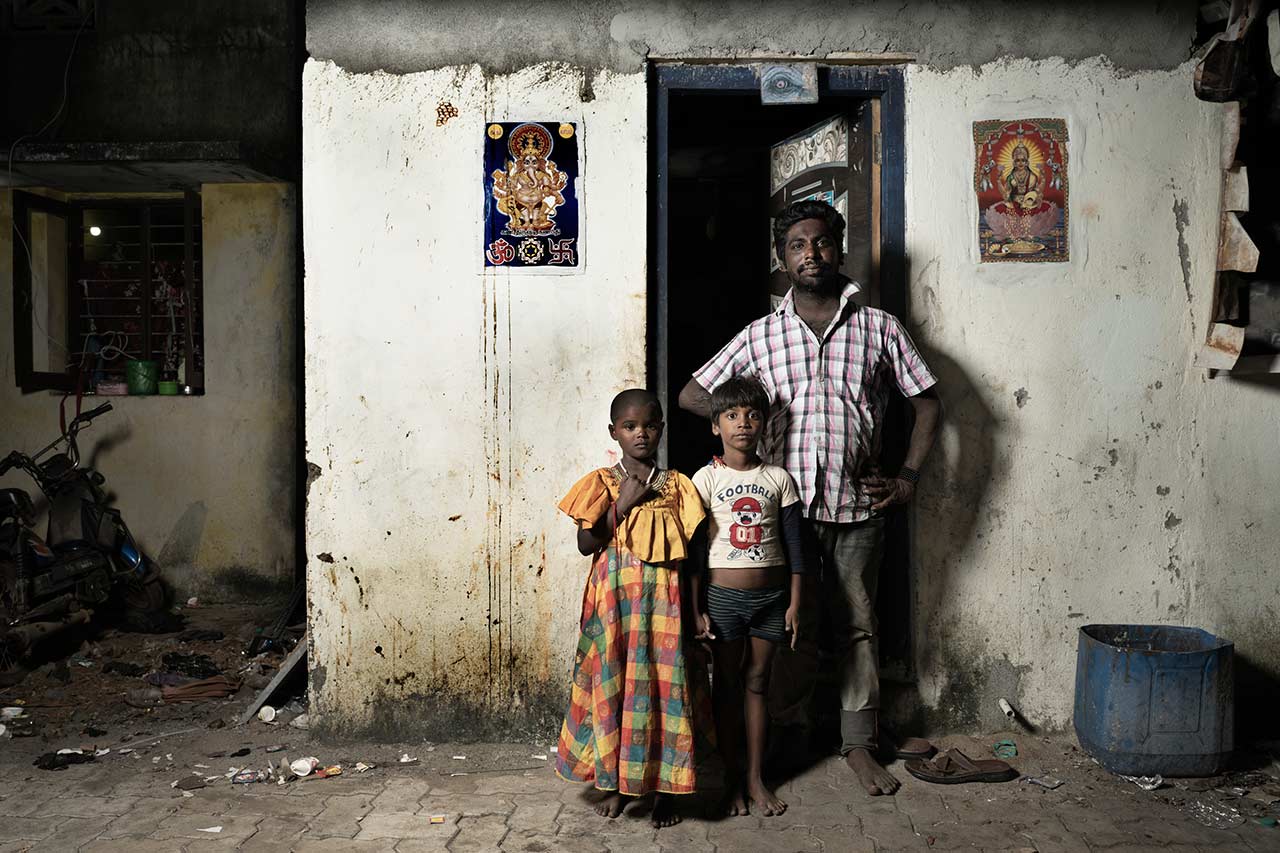
Outside the small town of Mahabalipuram in India’s southernmost state of Tamil Nadu, the settlement of Poonjeri is home to around 40 Narikuravar families.
The Narikuravar are a semi-nomadic community of around 30,000 people that are spread in small groups across the state. Historically, their main source of livelihood was hunting, but this has become almost impossible since laws were tightened to protect wild animals. Today, the Narikurava make a living primarily from making bead necklaces and other jewelry which they sell on the streets, in front of temples and at festivals.
Steff Gruber © All rights reserved.
Steff Gruber © All rights reserved.
The Narikuravar people have experienced discrimination ever since ancient times and were long considered “untouchables.”
During British rule in India, they were placed under the Criminal Tribes Act of 1871 and, as a result, were stigmatized for a long time, even after Independence in 1947 and their denotification in 1952.
In 2023, the Indian central government finally granted the Narikuravar people “scheduled tribe” status. This is the official term in India for all indigenous groups and tribal communities that are not part of the caste system.
Steff Gruber © All rights reserved.
Steff Gruber © All rights reserved.
According to the Indian constitution, disadvantaged groups recognized as a “registered tribal community” are entitled to state protection and support. But the Narikuravar people continue to be marginalized to this day. Access to healthcare, education, and formal employment is still limited. Historically rooted prejudices persist in the Indian population.
The Narikuravar in Poonjeri, who are portrayed here, live today in small stone houses built for them by various organizations after a tsunami destroyed the community’s settlement a couple of miles away in 2004.
A few years ago, a small association (Nafra.org) also helped the village build a school and sheltered sanitary facilities.
Steff Gruber © All rights reserved.
“I definitely consider my work to be political, particularly my documentary photography, simply through my choice of motifs – the people living between and on the graves in a Phnom Penh cemetery being one example. But there are also deeper levels of meaning.”
– Steff Gruber
Steff Gruber
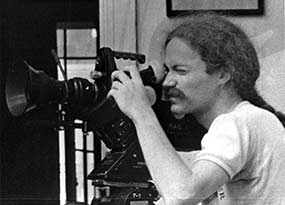
In documentary photography, I am drawn to people and communities who haven’t been as fortunate as I have. Growing up in Switzerland, with access to a good education, excellent healthcare, and minimal financial concerns, I feel exceptionally privileged and profoundly grateful for this. Now, I aim to show the Western world that millions of people are not doing well. I’m especially interested in displaced populations.
In Cambodia, for instance, I have been visiting and documenting such communities for years. You can’t build trust unless you visit the same people regularly over the course of many years.
Between 2009 and 2014, I shot the feature film FIRE FIRE DESIRE in Cambodia and Thailand. In search of locations, my producer, Chris Jarvis, and I explored every corner of Phnom Penh on foot. We were literally out all day and all night.