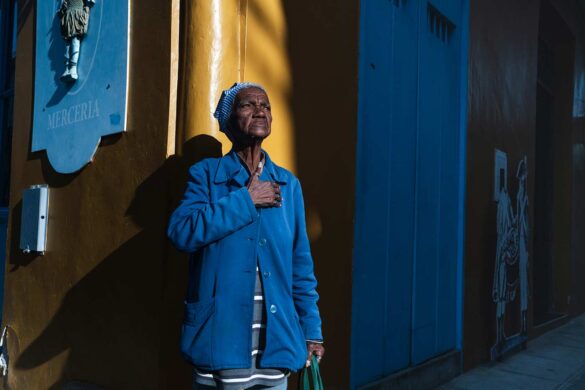
"Every face becomes a narrative, shaped by life, memory, and context, and photography becomes a form of exchange between two human trajectories."
- Roberto Pazzi
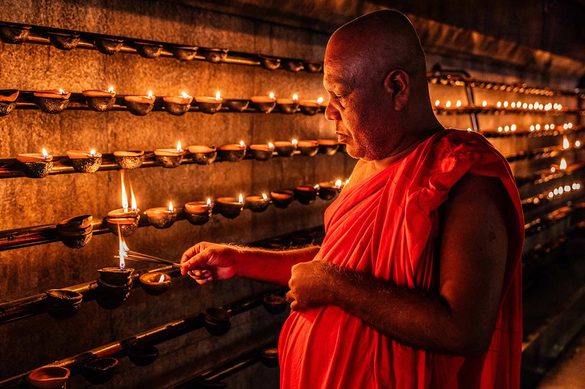
Across Sri Lanka, faith is lived through ritual, discipline, gesture, and place. This series moves from young Buddhist novice monks in Galle to candlelit temple rituals near Kataragama and a natural cave used as a monastery.
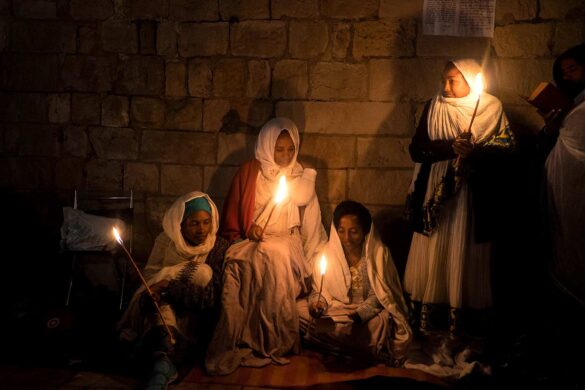
"As prayers fill the ancient church, a flame is kindled within the aediculae, which many believe mark the resting place of Jesus. This fire, seen as a miraculous gift from the Holy Spirit, becomes a living symbol of Christ’s resurrection."
"Expressions of devotion have always drawn me in. I grew up in a secular Jewish home, yet from a young age, I was fascinated by acts of devotion. Today, I continue to be drawn to moments of faith and spirituality."
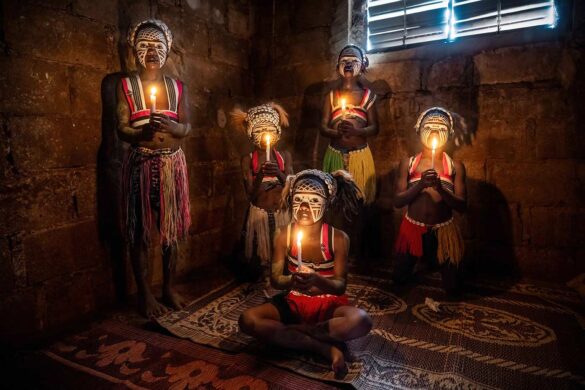
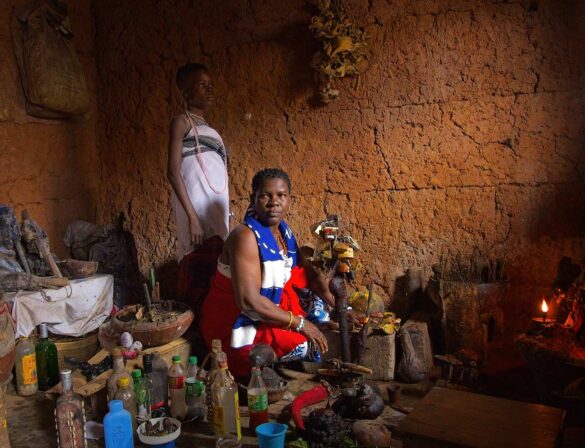
To witness a Voodoo ceremony is to stand at the threshold between worlds.
A lwa descends. It enters a human body — what practitioners call “riding” — and the person is no longer fully themselves. Eyes roll back. Movement becomes convulsive and wild. Words emerge that no one around them understands. The boundary between the living and the invisible has dissolved, if only for a moment.
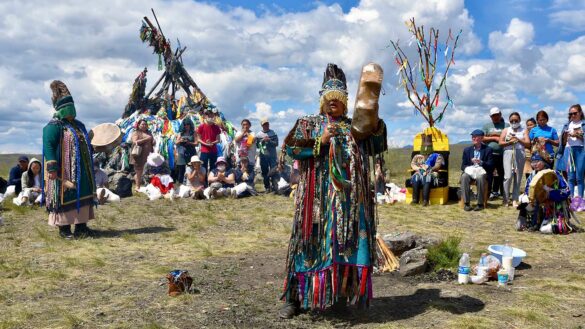
"Over fifty people sit expectantly in a wide circle, at the top of which the ovoo stands. No one pushes, no one speaks loudly.
It seems as though the place itself is setting the pace. We are lucky; the ceremony seems to have just begun. “Here,” Michail says quietly, almost more respectfully than usual, pointing to the ovoo.
“This is the place of the ancestral spirits.”
I pause for a moment, raise my camera, then lower it again. “I first need to understand what’s happening here.”
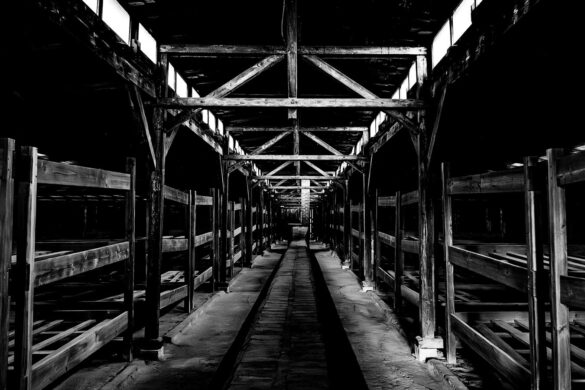
Nearly eighty years after the liberation of Auschwitz, the site continues to confront us with difficult questions.
The buildings remain. The silence remains. And so does the responsibility to remember.
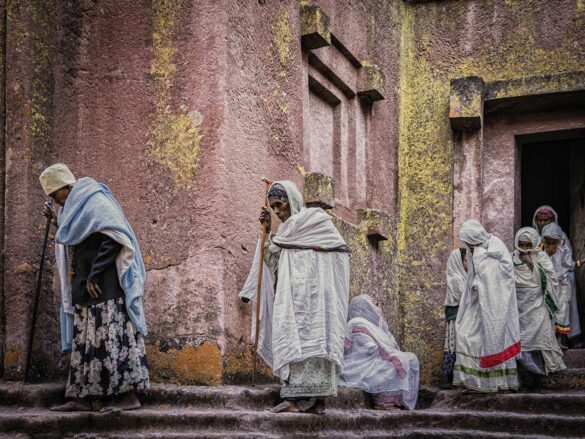
The Rock-Hewn Churches of Lalibela show the deep history and spiritual life of Ethiopia. There are eleven churches, each carved from volcanic rock, in the western Ethiopian Highlands near Lalibela. King Gebre Meskel Lalibela of the Zagwe dynasty had them built to recreate Jerusalem in his own land. Today, the Ethiopian Orthodox Christian Church still uses these churches, and they remain important pilgrimage sites. In 1978, UNESCO added the site to its World Heritage List to recognize its cultural and historical value.
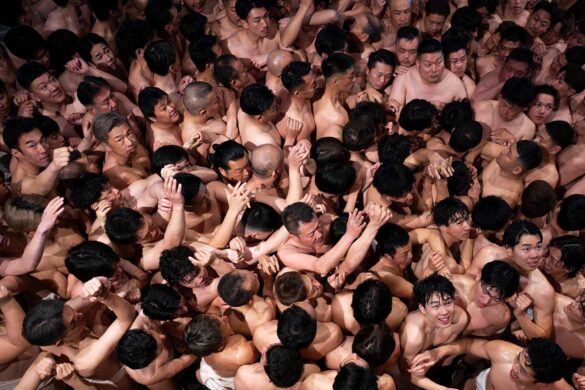
Thousands of men take part, wearing only a white loincloth and split-toe tabi. They purify themselves in cold water before entering the temple, and again throughout the long build-up to the final rite. Held in the depths of winter, it is at once an act of devotion and a test of endurance against the cold.
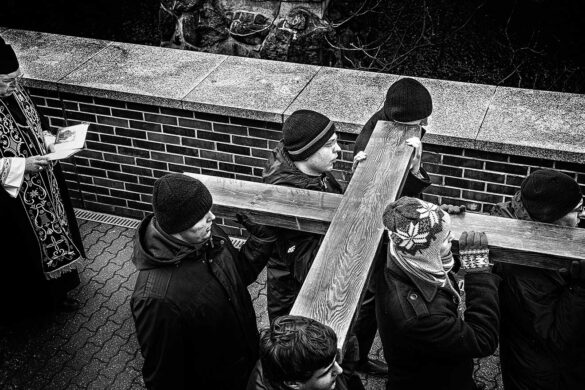
The Pauline Monastery in Częstochowa, Poland, was founded in 1382. It is the most important shrine dedicated to the Virgin Mary in Poland and one of the most significant Marian pilgrimage sites in the world. For centuries, it has attracted pilgrims seeking spiritual guidance, prayer, and inspiration. Today, nearly 4 million pilgrims and visitors from 74 countries travel to the monastery every year.