
INDUSTRIALLY PERFECTED
Auschwitz-Birkenau Memorial
By Ingmar Ostermaier
Auschwitz-Birkenau Memorial
Ingmar Ostermaier ©
All rights reserved.
“In May 2026, I spent two days photographing at the Auschwitz-Birkenau Memorial and Museum.
Like many people, I arrived carrying images, facts, and stories that had accompanied me for years.
I knew the history. I knew the numbers.
I knew what had happened there.
What I was not prepared for was the silence.”
– Ingmar Ostermaier
Auschwitz-Birkenau Memorial
Ingmar Ostermaier ©
All rights reserved.
 INDUSTRIALLY PERFECTED
 Auschwitz-Birkenau Memorial
Ingmar Ostermaier © All rights reserved.
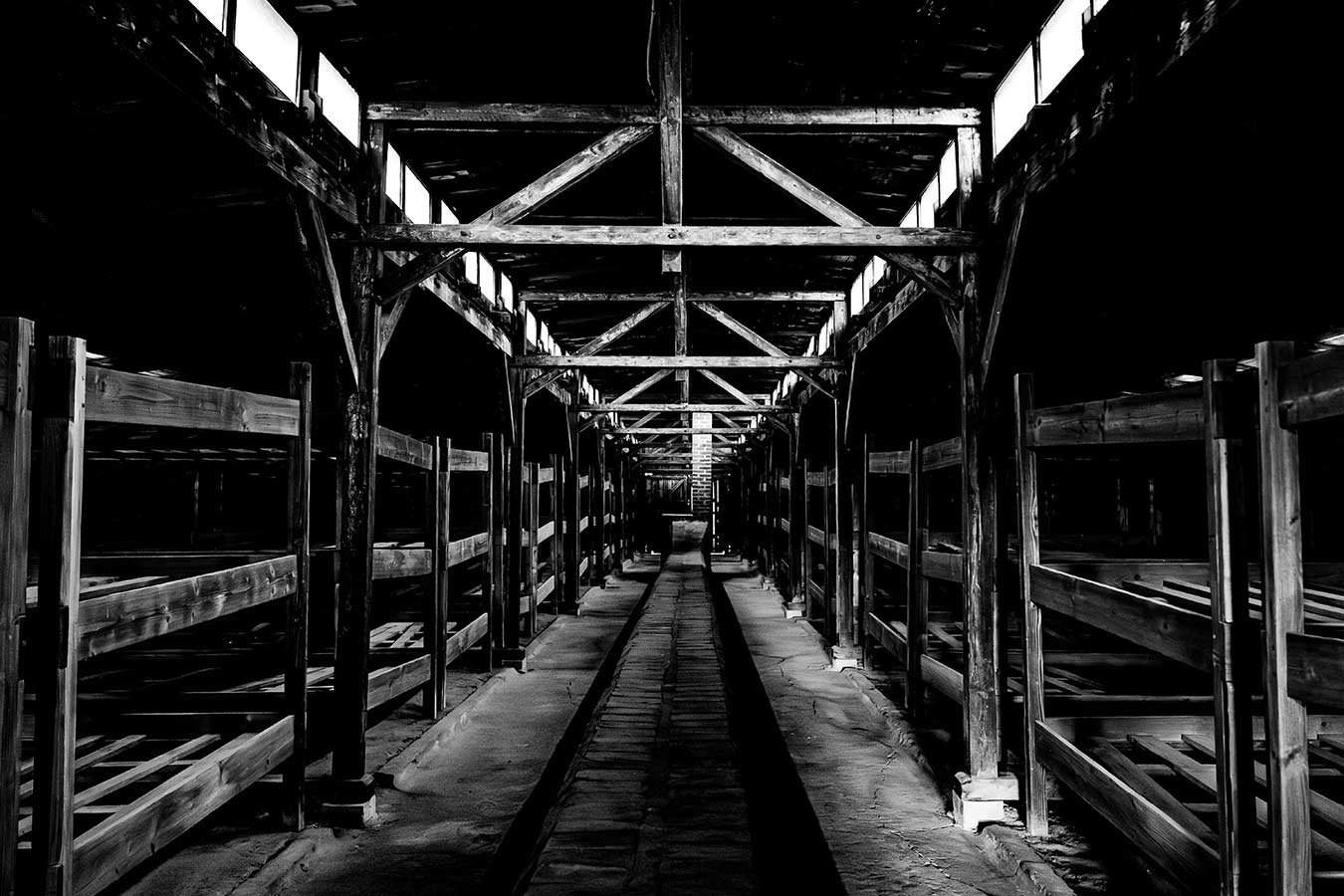
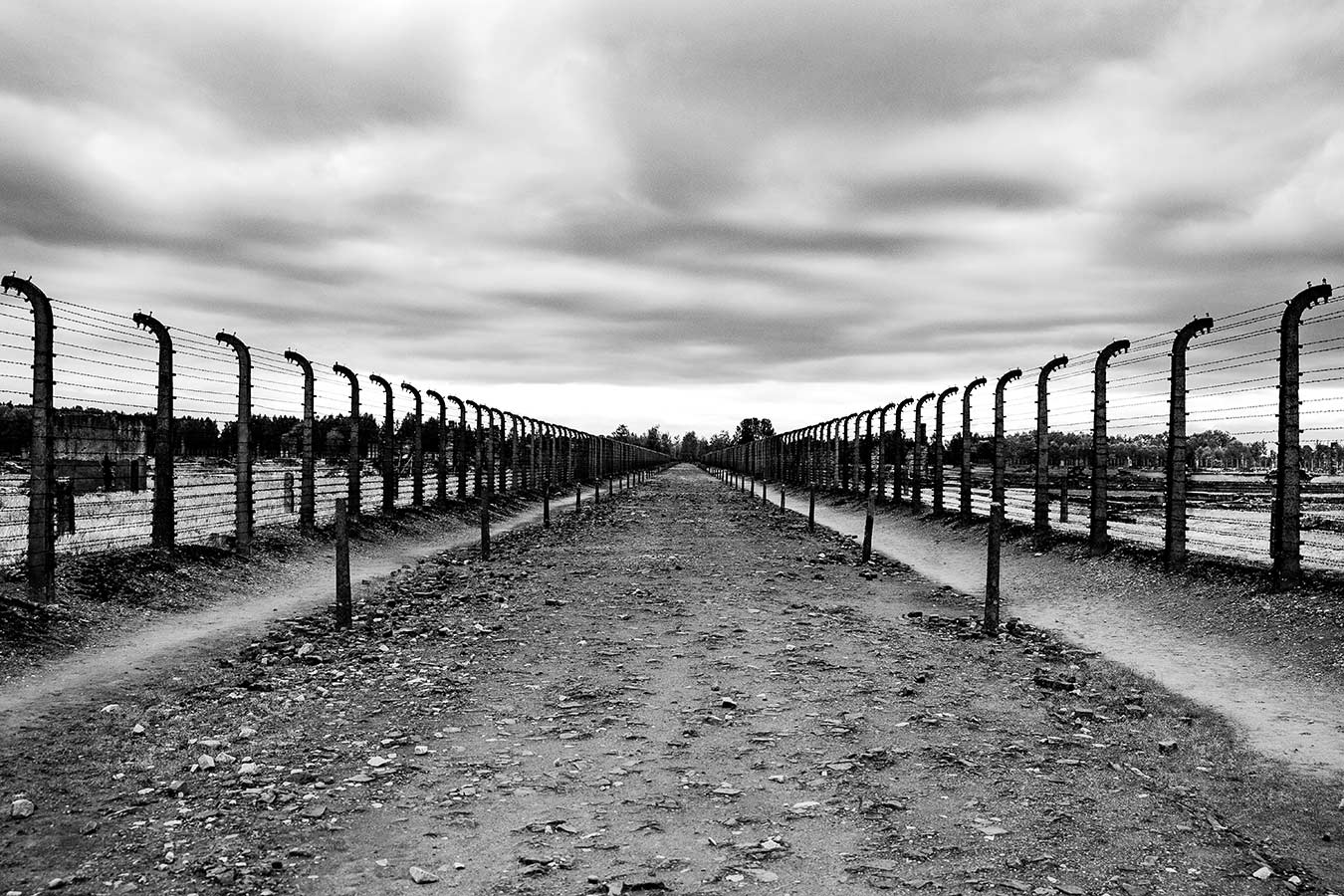
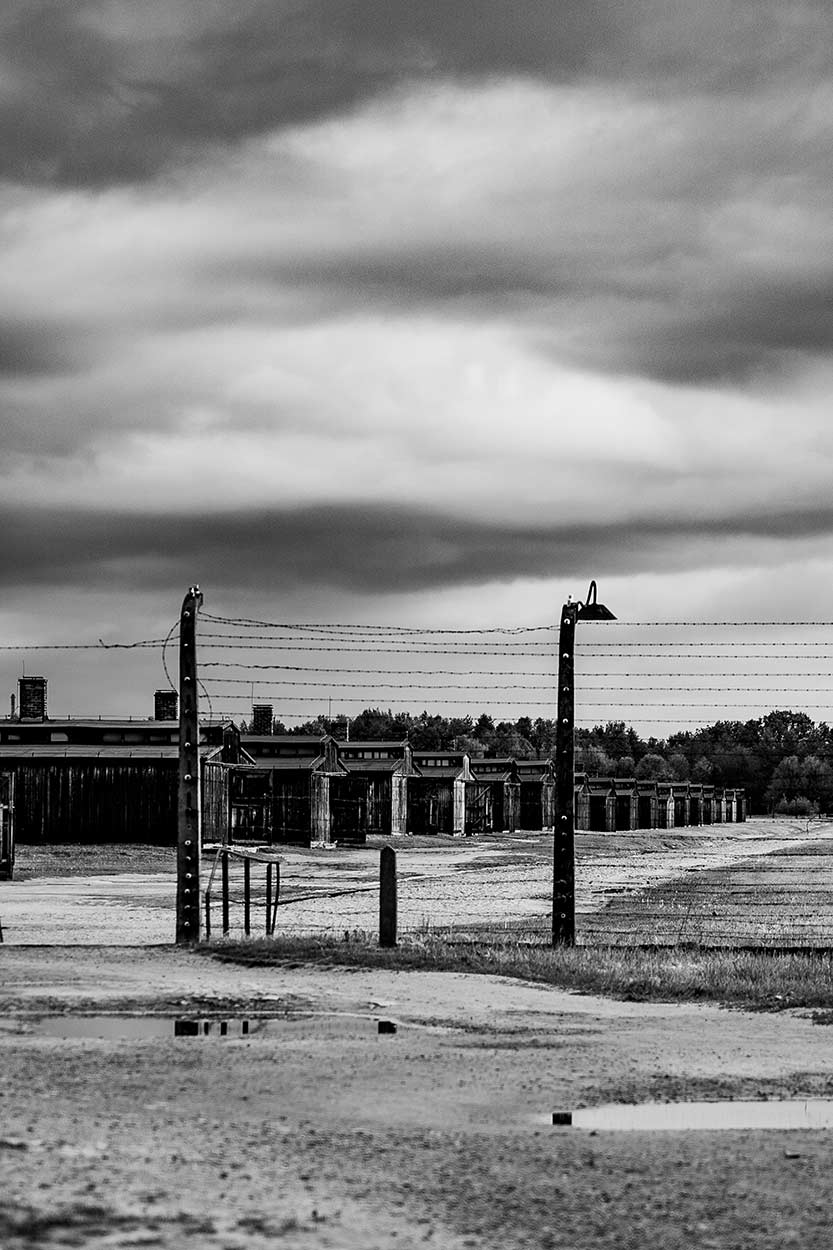
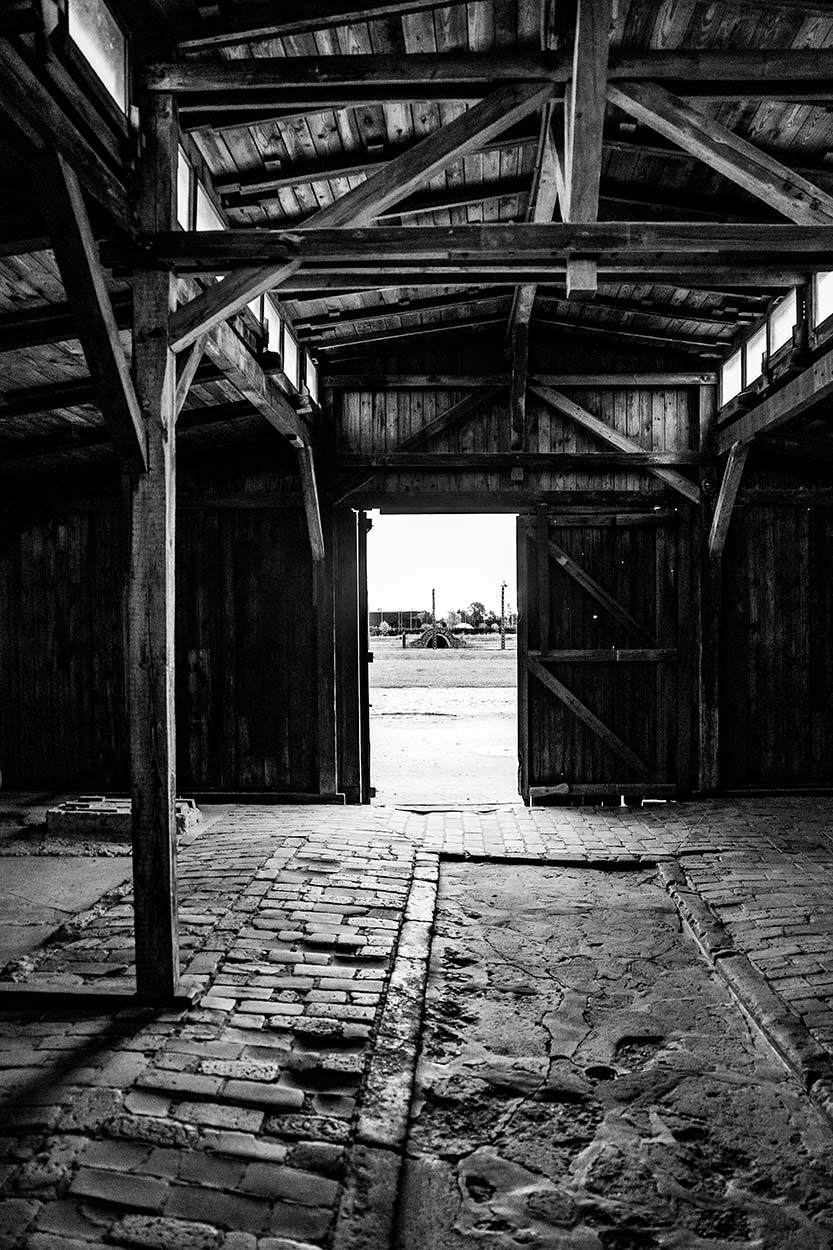
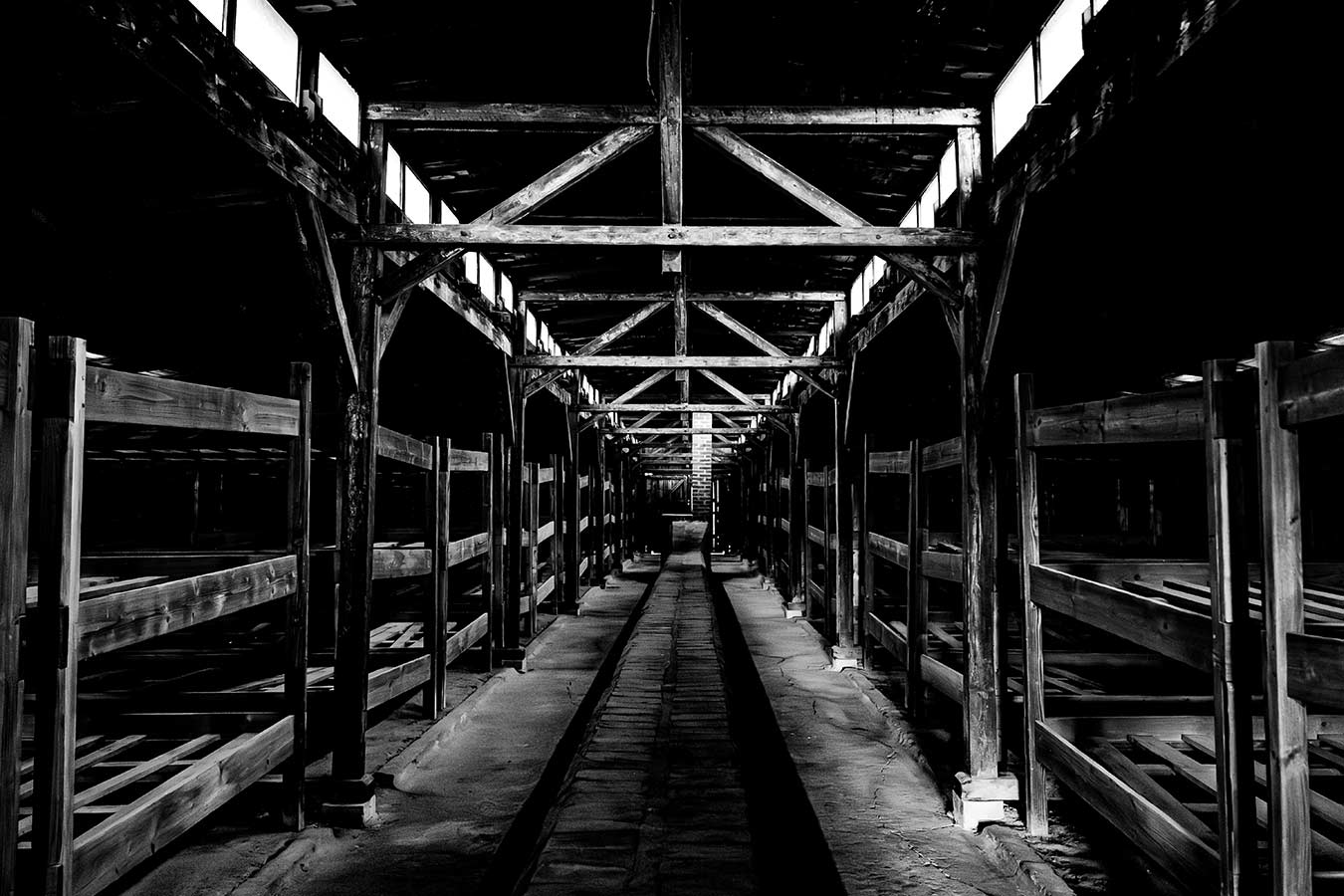
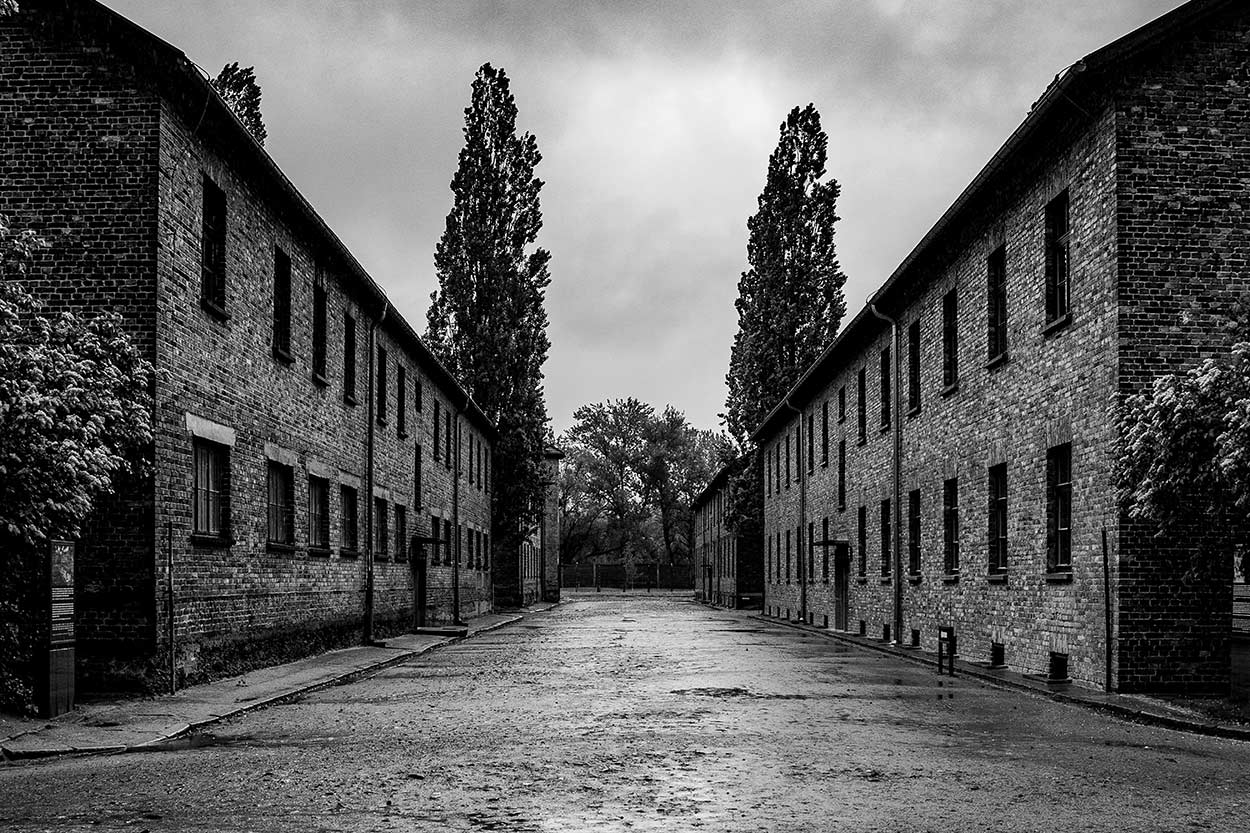
Auschwitz is often described through statistics, historical documents, and unimaginable acts of violence. Yet walking through the camp, I was struck by something else: the order that remains.
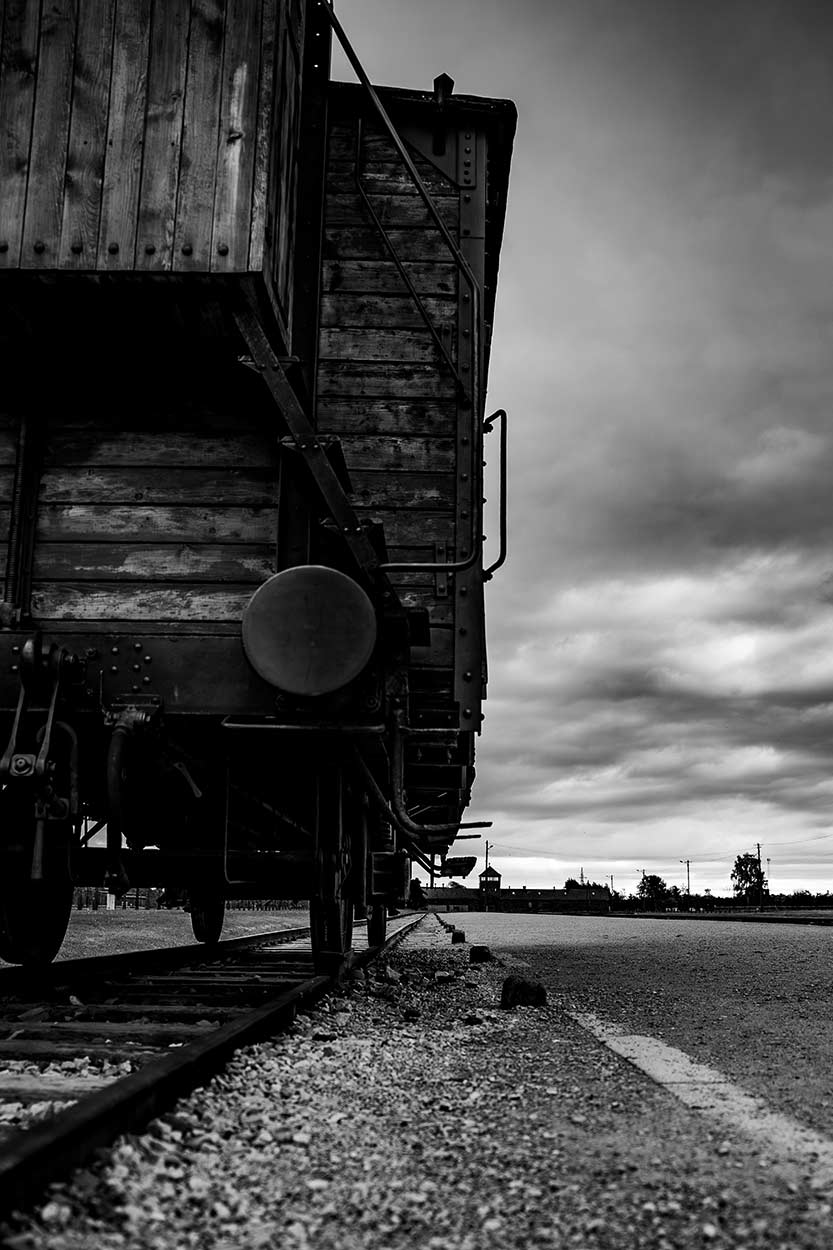
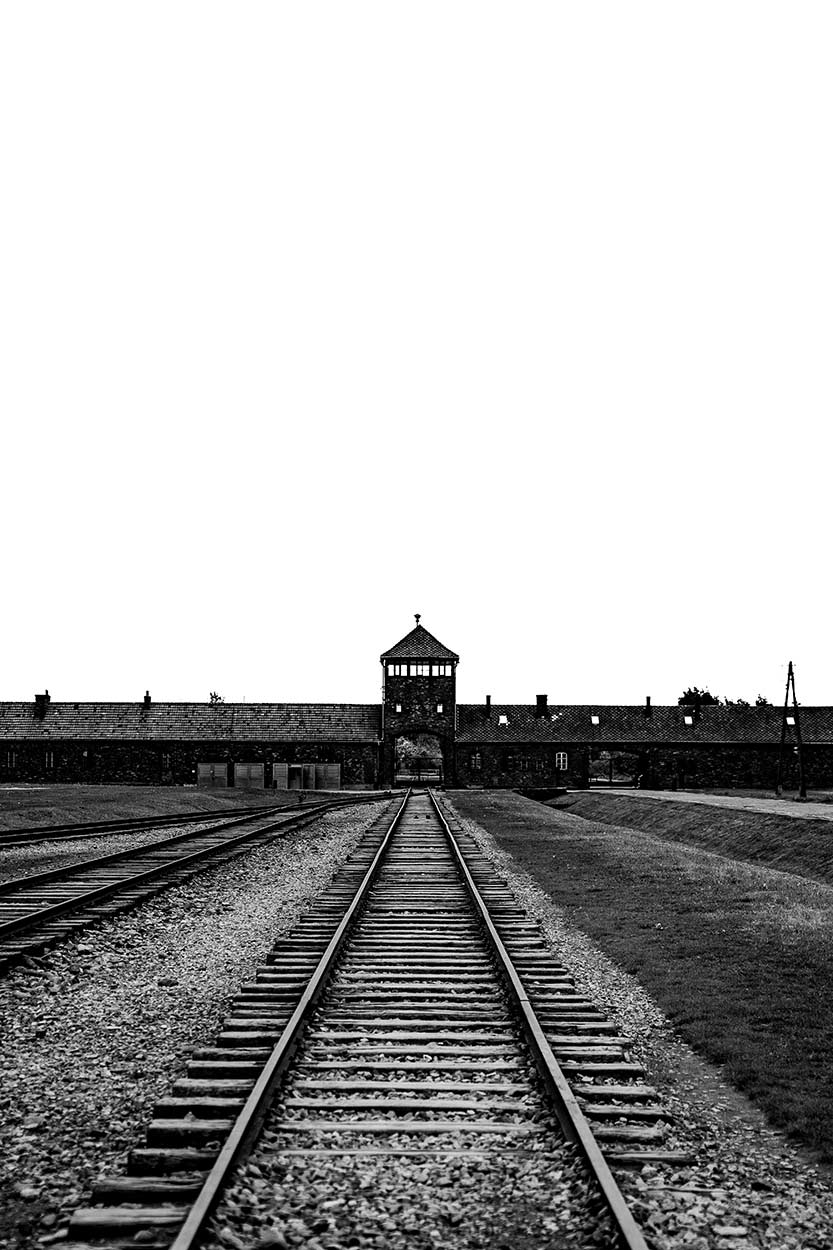
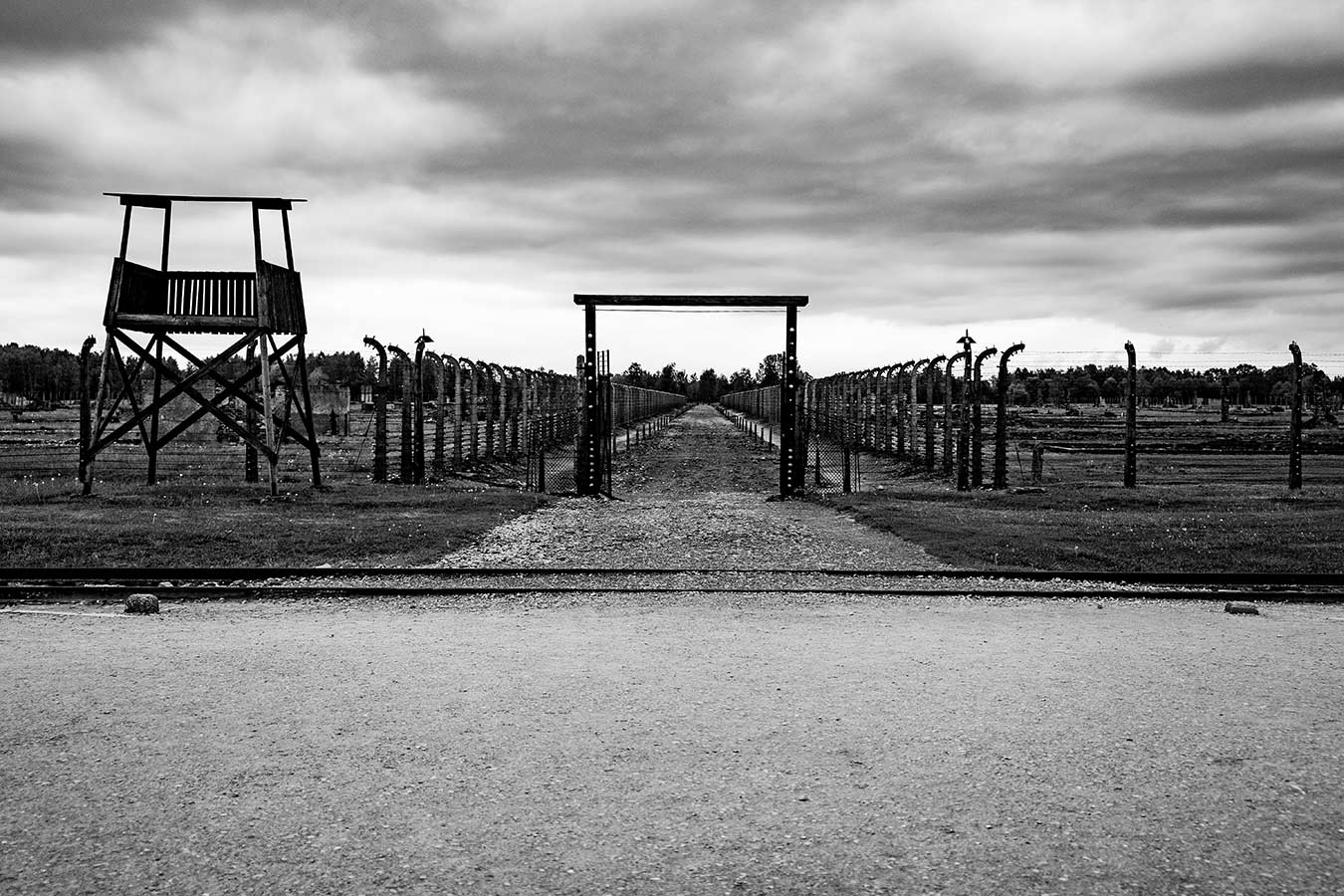
The fences. The barracks. The roads. The repetition of structures. The symmetry. The feeling that everything had once been designed to function efficiently.
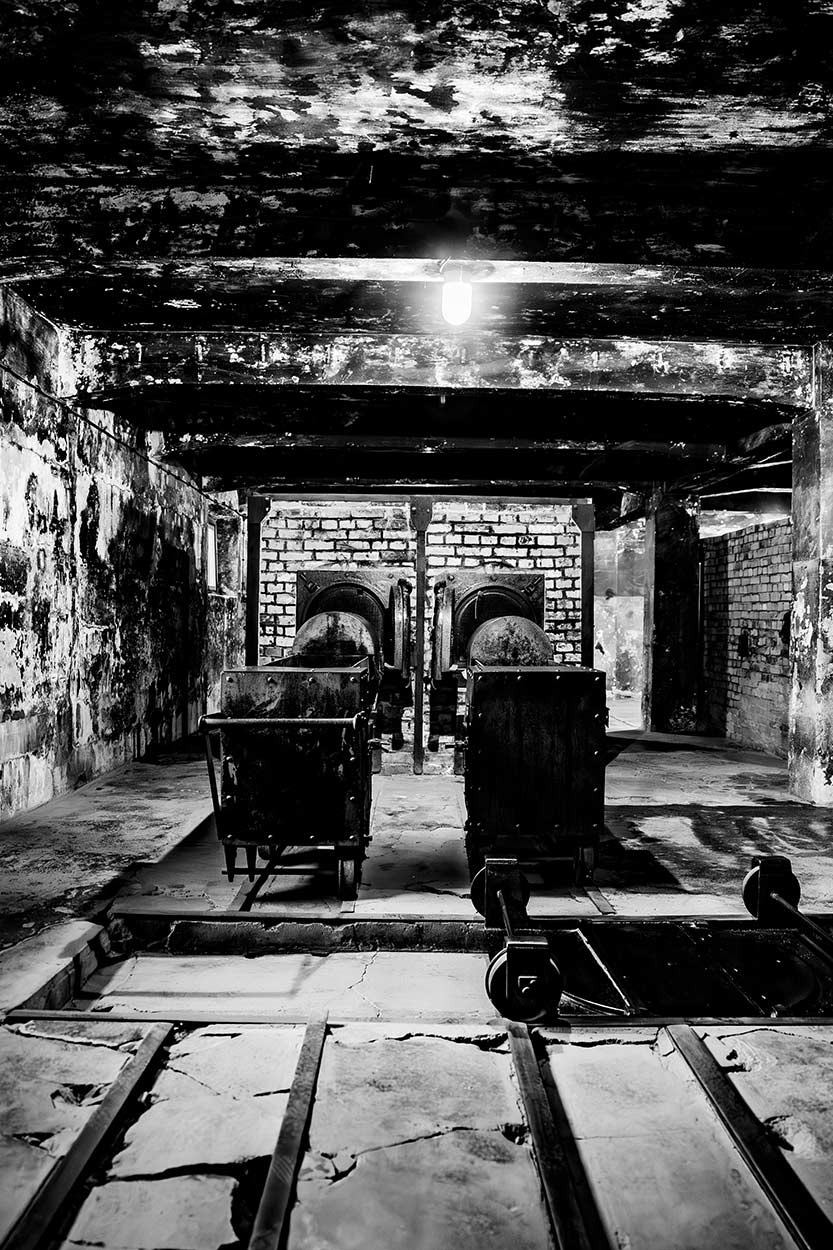
It became impossible to ignore that the murder of more than a million people was not only driven by hatred. It was organized. Planned. Systematized.
Death was not only inflicted here.
It was industrially perfected.
Auschwitz-Birkenau Memorial
Ingmar Ostermaier ©
All rights reserved.
As a photographer, I found myself drawn to these structures. Not because they are visually appealing, but because they reveal something deeply unsettling.
The same order that can appear calm
and controlled today
once served a machinery of persecution, dehumanization,
and mass murder.
Auschwitz-Birkenau Memorial
Ingmar Ostermaier © All rights reserved.
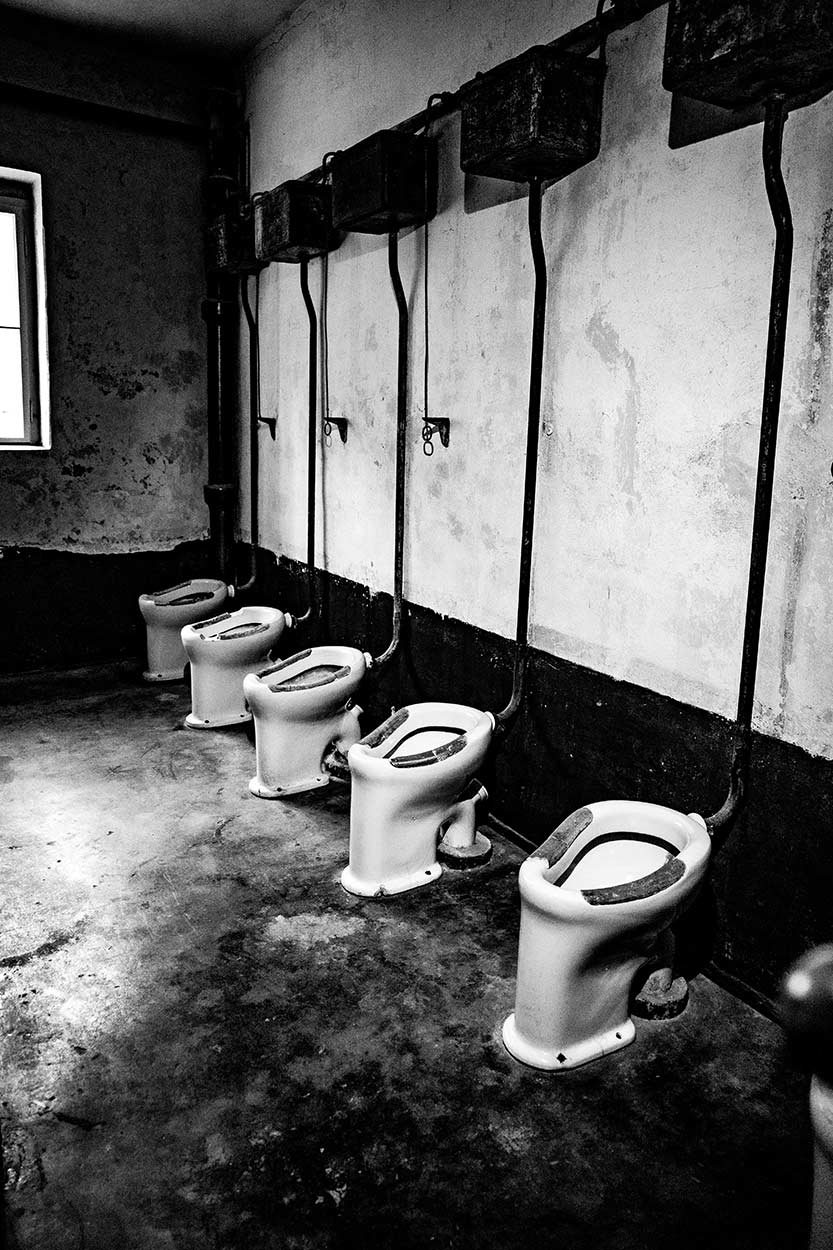
Many of the photographs in this series are built around repetition, geometry, and symmetry. These choices are not intended to aestheticize the place. Rather, they reflect the logic that once governed it.
At the same time, Auschwitz raises questions that reach far beyond history.
Questions about survival.
Questions about
human dignity.
Questions about what remains
after unimaginable suffering.
And perhaps also
questions about
faith.
Not only religious faith, but faith in humanity itself.
Auschwitz-Birkenau Memorial
Ingmar Ostermaier © All rights reserved.
How do we continue to believe in human dignity after a place like Auschwitz?
How do we preserve memory as the last survivors gradually leave us? What responsibility do we carry toward those who can no longer speak for themselves?
I do not claim to have answers.
Photography cannot explain Auschwitz.
It cannot fully convey the suffering, the fear, the loss, or the enormity of what happened there.
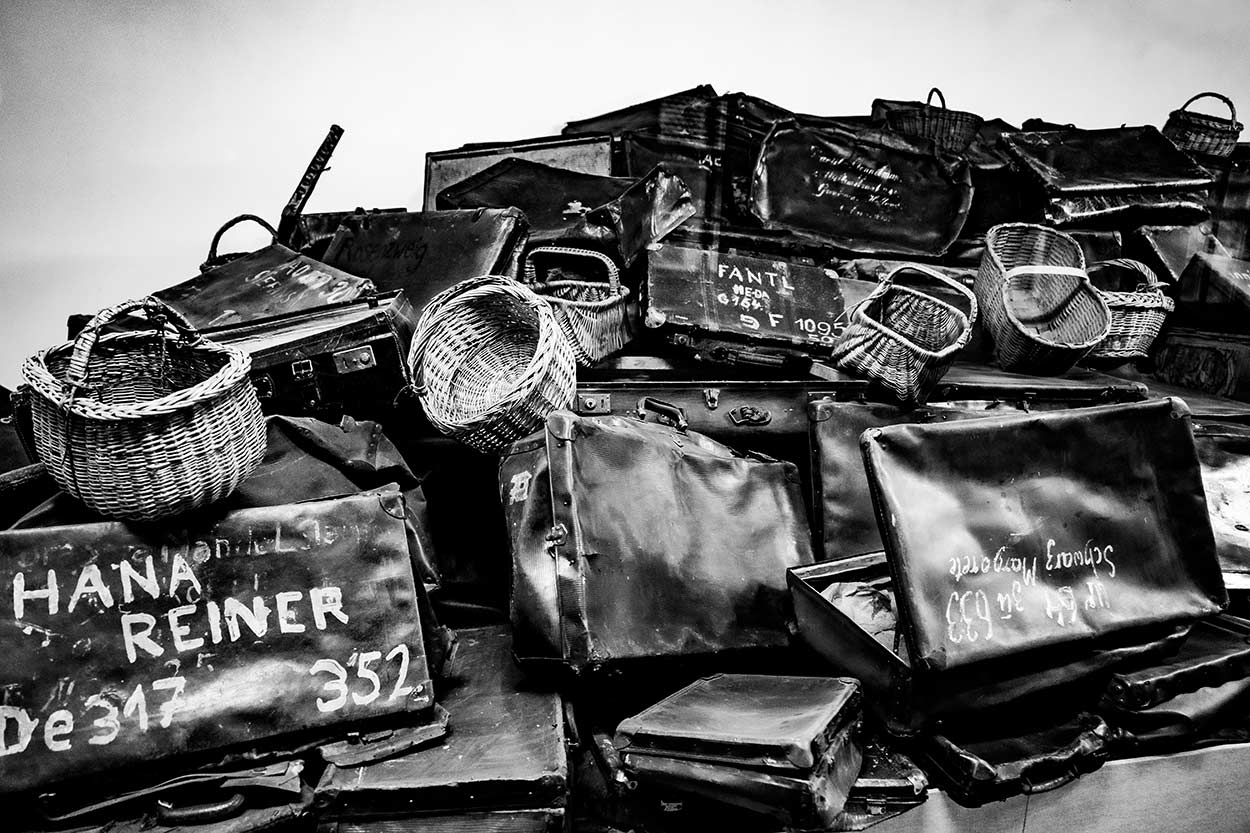
What it can do is create a moment of attention.
Auschwitz-Birkenau Memorial
Ingmar Ostermaier © All rights reserved.
A pause.
An opportunity to look more carefully.
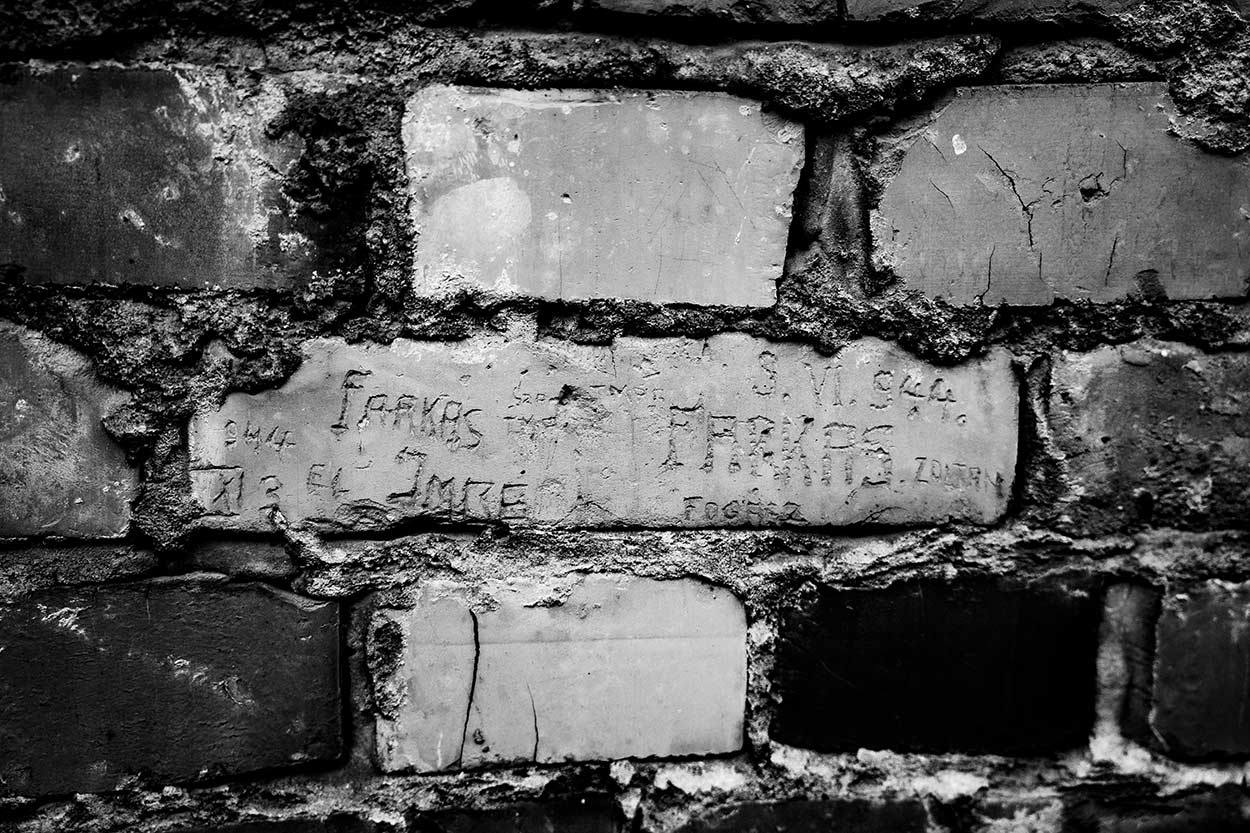
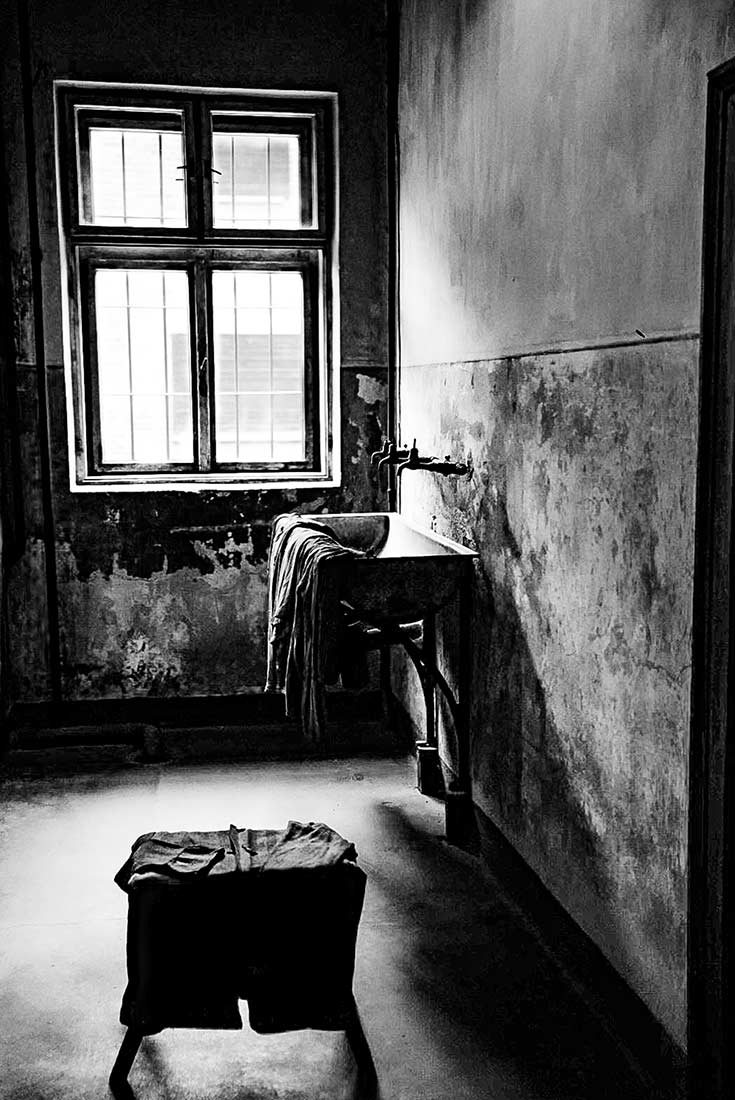
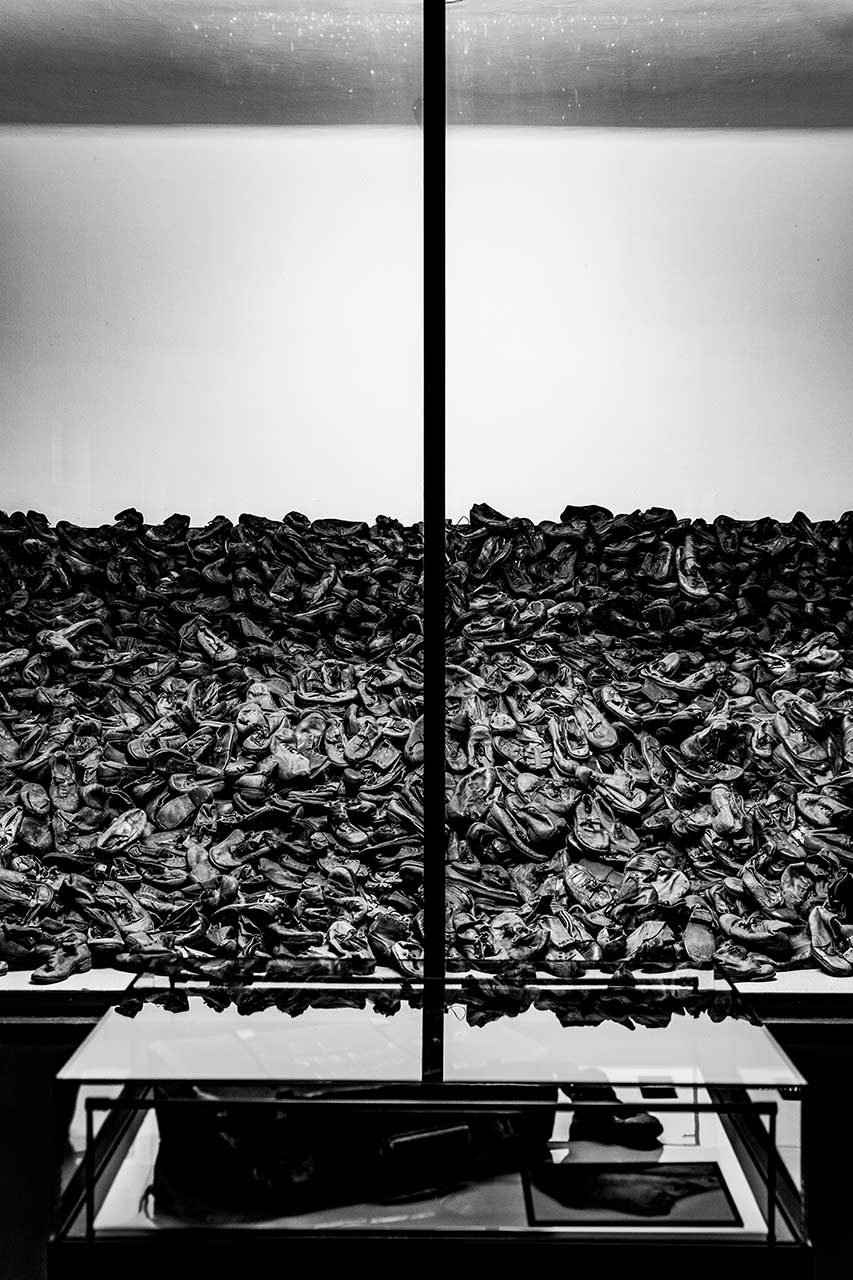
This series is my attempt to engage with that responsibility. Not by illustrating history, but by observing what remains: the structures, the silence, and the traces left behind.
- Ingmar Ostermaier. 2026
Auschwitz-Birkenau Memorial
Ingmar Ostermaier © All rights reserved.
Nearly eighty years after the liberation of Auschwitz, the site continues to confront us with difficult questions.
The buildings remain. The silence remains. And so does the responsibility to remember.
“My photography is driven by presence rather than by the construction of narrative.
I am interested in moments, places, and traces that exist before they become stories. Instead of directing or staging situations, I try to remain within them, observing quietly and responding instinctively to what unfolds.
Black-and-white photography helps me reduce the world to gestures, structures, atmosphere, and the relationship between people and space. It allows the image to focus on emotional and human weight rather than on visual distraction.
Whether working in the streets of European cities, documenting humanitarian projects in Nigeria, or exploring places shaped by collective memory, such as Auschwitz-Birkenau, my approach remains the same: to photograph honestly, respectfully, and with curiosity toward the people, histories, and environments that briefly intersect with my camera.
I am particularly drawn to themes of presence, absence, memory, identity, and the traces people leave behind.
For me, photography is not about explaining the world.
It is about being present within it.”
Auschwitz-Birkenau Memorial
Ingmar Ostermaier © All rights reserved.
Auschwitz-Birkenau Memorial
Ingmar Ostermaier ©
All rights reserved.
Ingmar Ostermaier
Auschwitz-Birkenau Memorial
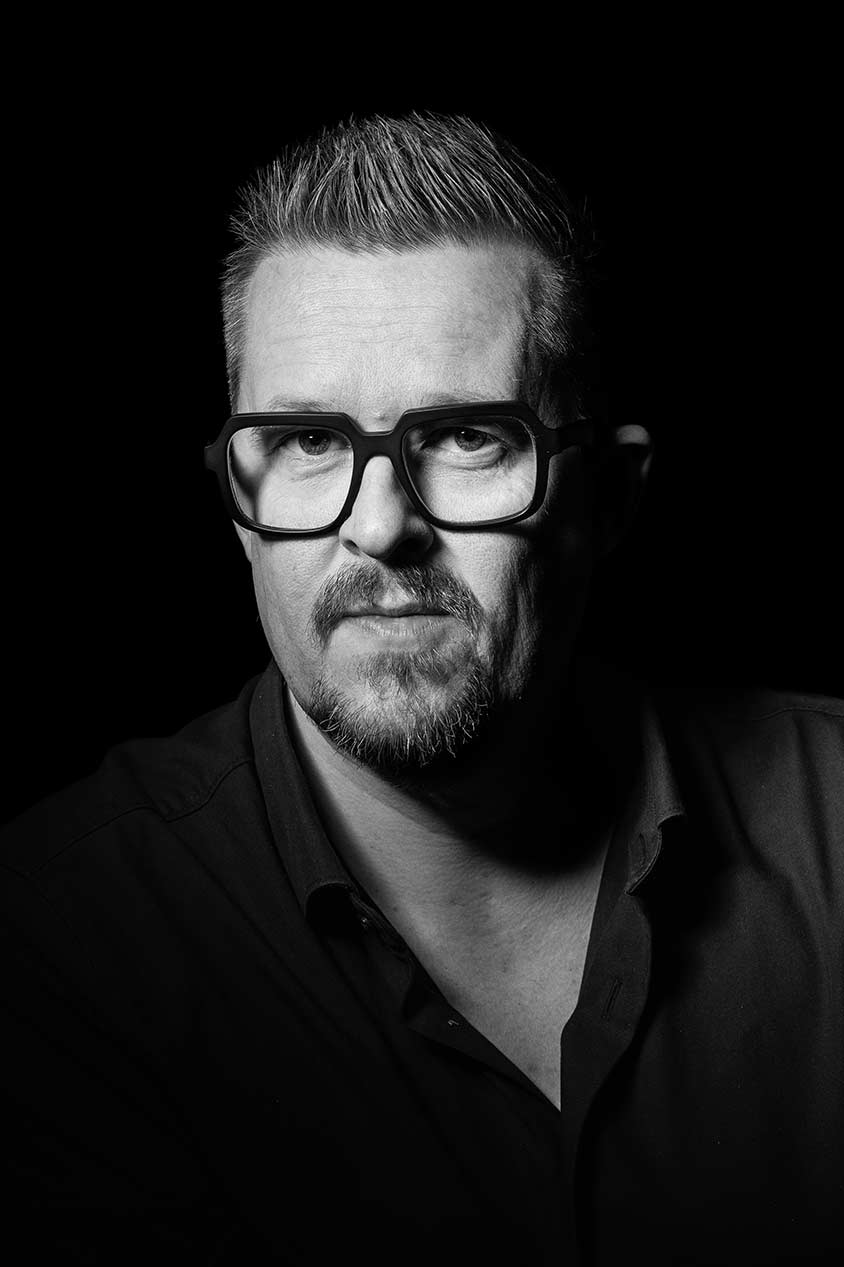
Left: Ingmar Ostermaier Portrait © All rights reserved.
Ingmar Ostermaier is an Austrian documentary and street photographer based in Vorarlberg, Austria, working across Europe and beyond. His photography focuses on human presence in real situations, often exploring the quiet tension between everyday life, social reality, and personal moments.
Working primarily in black and white, Ostermaier approaches photography as a form of visual field notes. Rather than constructing scenes, he photographs within unfolding situations, allowing moments to develop naturally in front of the camera.
Auschwitz-Birkenau Memorial
Ingmar Ostermaier Portrait © All rights reserved.
Before focusing on photography, Ostermaier spent over a decade working as a professional singer, an experience that continues to influence his sensitivity to atmosphere, rhythm, and human expression. His work moves between documentary, street, and portrait photography, always guided by a simple principle: presence over narrative.
In 2026, he participated in a humanitarian hospital mission in rural Nigeria, documenting the work of international medical volunteers and the lives of patients traveling long distances for treatment. The resulting photographic series forms part of an ongoing exploration of humanity, resilience, and dignity in challenging environments.