
The Power of Faith
COLLECTION
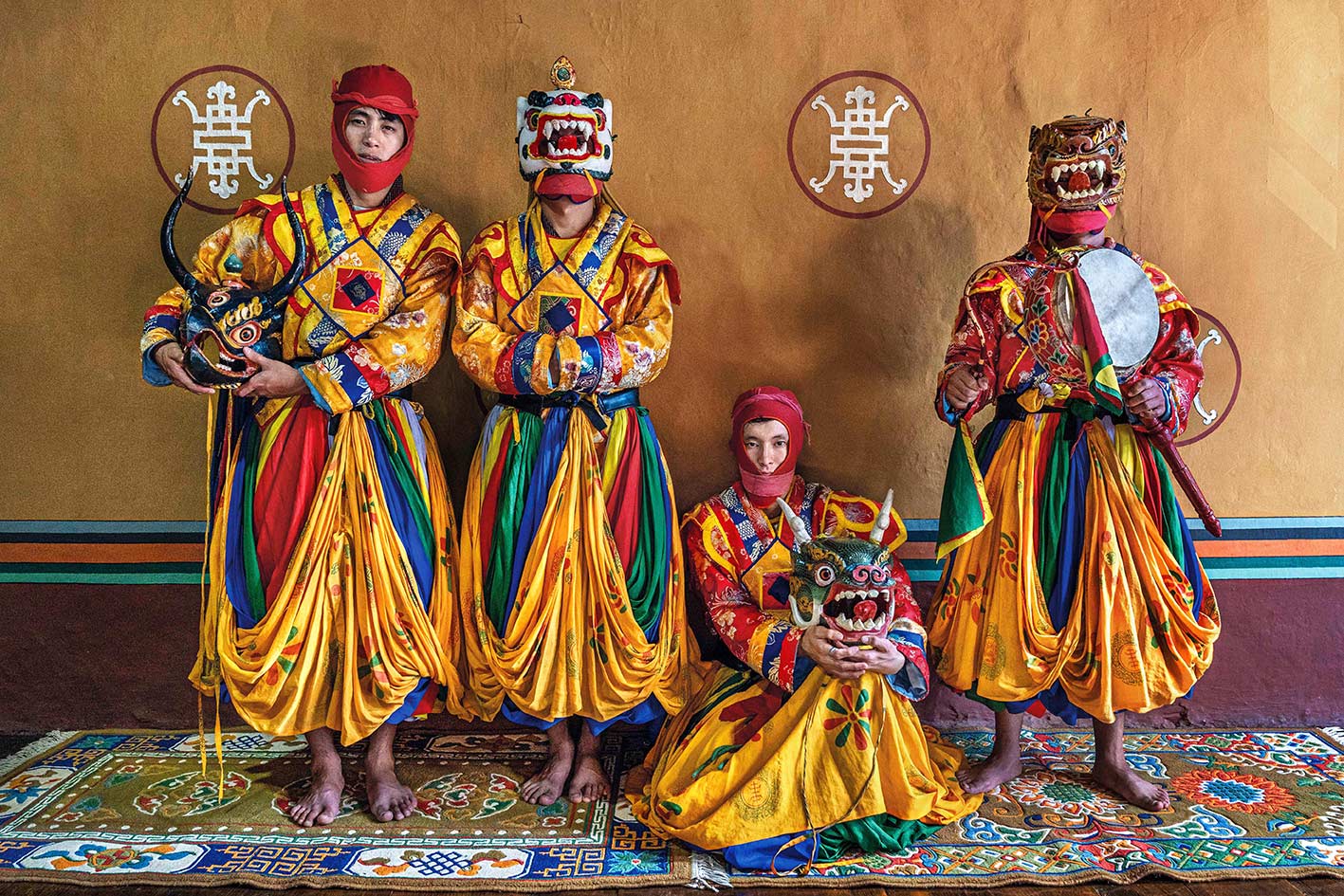
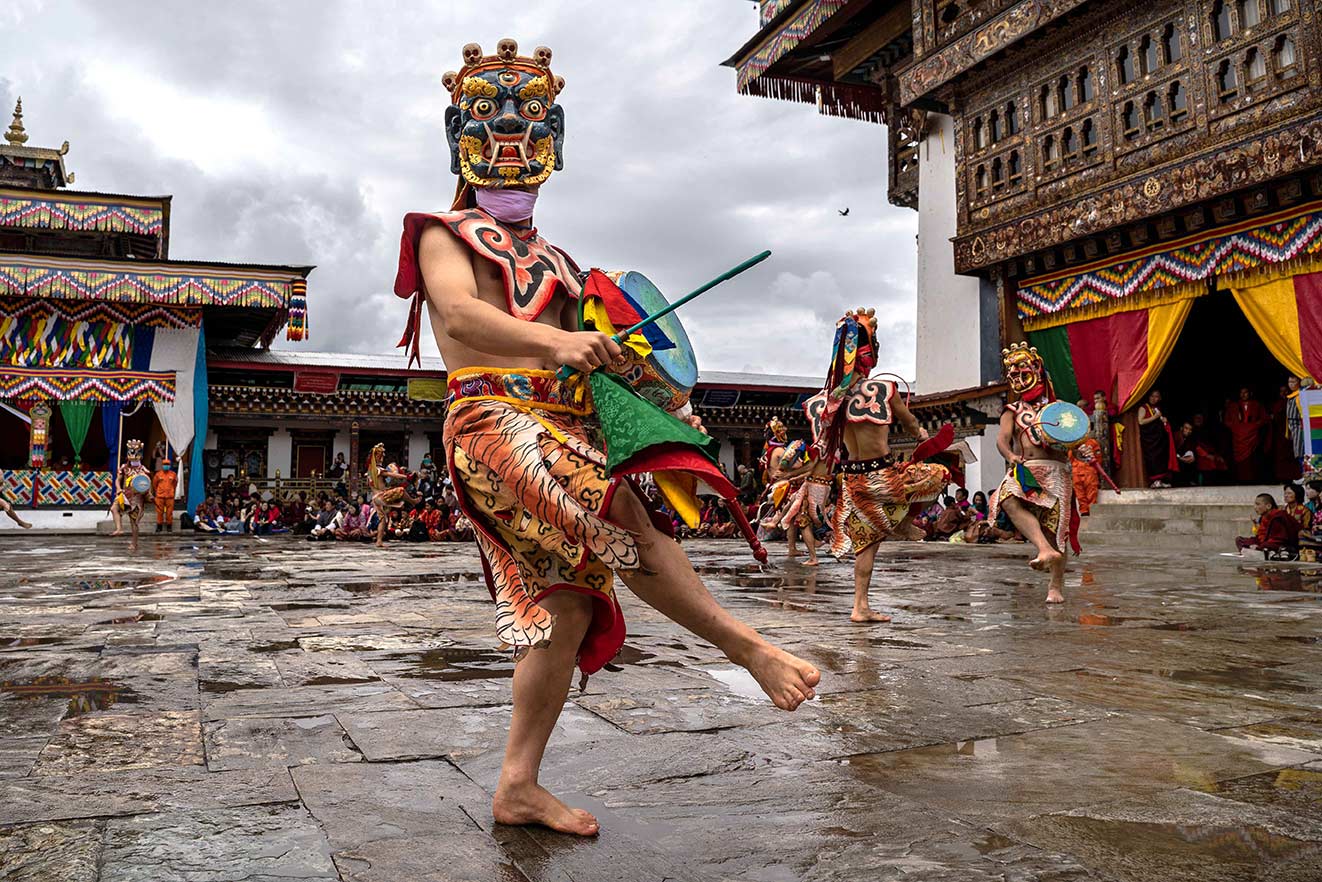
(Bhutan, 2024)
Roberto Pazzi © All rights reserved.
An Exclusive Interview With
Roberto Pazzi
By Ariel SU
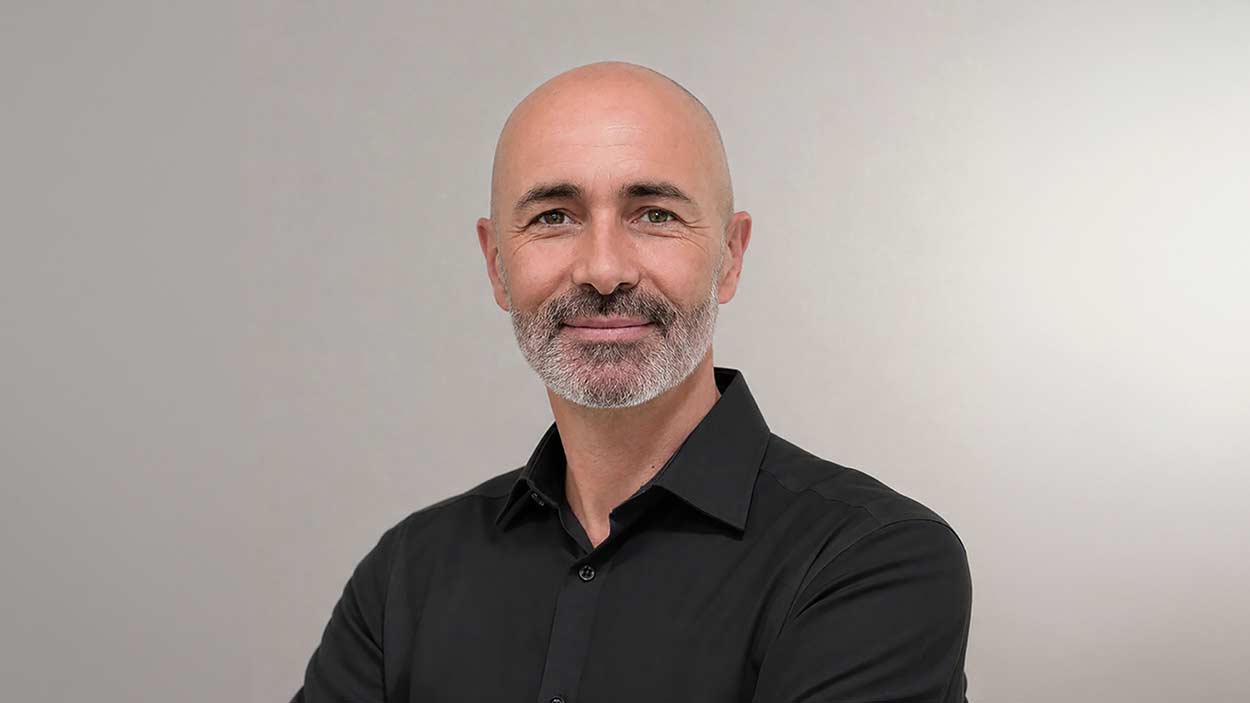
Roberto Pazzi is dedicated to documenting people and cultures whose ways of life are increasingly threatened by globalization and rapid social change. Focusing on tribes, minority ethnic groups, and traditional societies, the work captures customs, rituals, knowledge, and daily practices that are at risk of disappearing. Each photograph is an attempt to honor these living cultures while preserving their stories for future generations.
At the heart of this practice is the deliberate effort to build genuine relationships with the individuals and communities encountered. Roberto Pazzi invests time in listening, sharing daily experiences, and cultivating trust, guided by a sincere personal interest and a need to understand cultures from within.
This approach allows for representation that is informed, nuanced, and deeply respectful, moving beyond surface observation to convey meaningful human narratives.
Rather than presenting these communities as distant or static, the work emphasizes their resilience, knowledge, and the richness of traditions that continue to shape the present. These cultures are not relics of the past, but living expressions of identity that contribute to our shared human heritage.
Roberto Pazzi © All rights reserved.
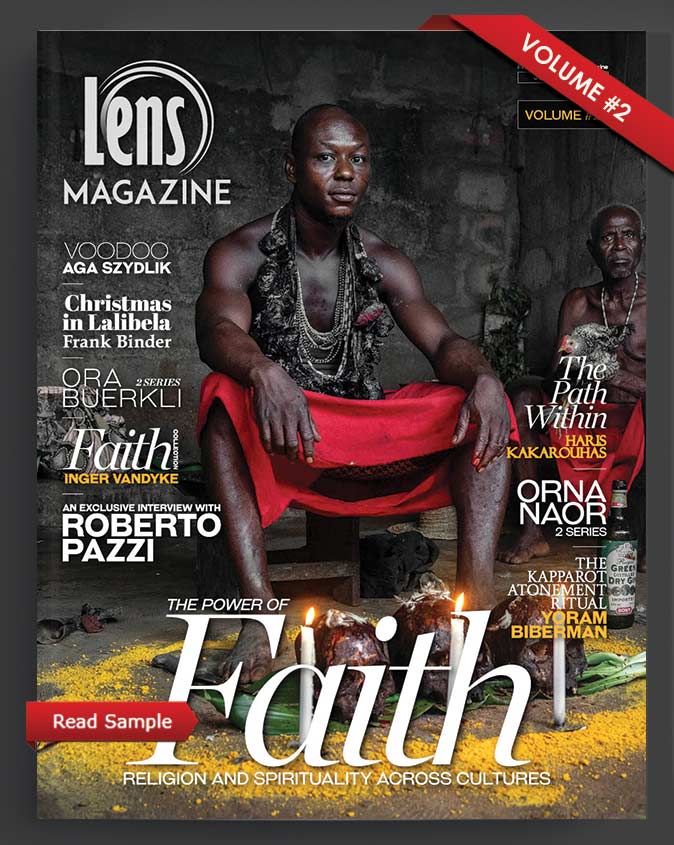
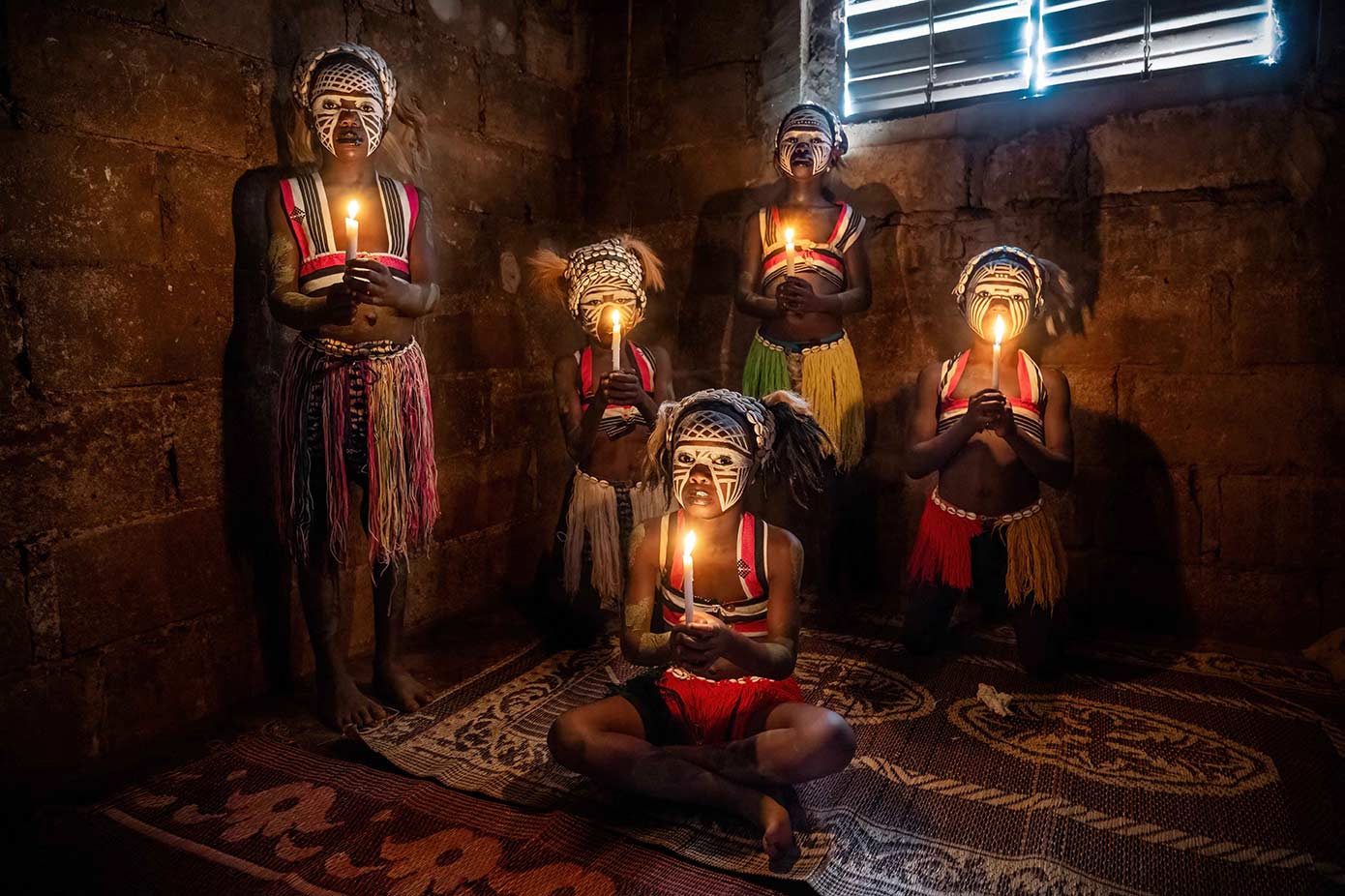
(Benin, 2026) . (Detail). On the cover of Lens Magazine Print Edition Volume #2. The Power of Faith.
Roberto Pazzi © All rights reserved.
Roberto Pazzi
“Hope is not static or guaranteed, but depends on awareness. If there is a lesson to be drawn, it may lie in the importance of memory and historical consciousness. “
– Roberto Pazzi
Roberto Pazzi is an internationally acclaimed Italian photographer who documents remote cultures, indigenous communities, and spiritual traditions worldwide. Originally trained as an engineer, Pazzi chose a different path, devoting his life to travel, human connection, and visual storytelling. Through years of immersive journeys to some of the world’s most isolated regions, he has developed a photographic practice based on respect, trust, and cultural understanding.
His award-winning photographs have appeared in publications such as National Geographic, GEO Magazine, The Times, The Guardian, and many others worldwide. A winner of multiple Photographer of the Year and international photography awards, Pazzi also created HUMANKIND, a premium limited-edition volume celebrating the extraordinary diversity of human cultures.
For this special Lens Magazine edition dedicated to “The Power of Faith – Religion and Spirituality Across Cultures,” we are honored to present an exclusive interview with Roberto Pazzi, whose images offer a rare glimpse into spiritual traditions, sacred rituals, and communities whose beliefs continue to shape human identity across continents.
“Repeated contact with radically different worldviews naturally expands one’s awareness of how diverse human interpretations of life, death, and meaning can be.
My immersive travel experiences have increased my cognitive flexibility, empathy, and openness by challenging my internal assumptions and exposing me to alternative ways of organizing reality. “
– Roberto Pazzi
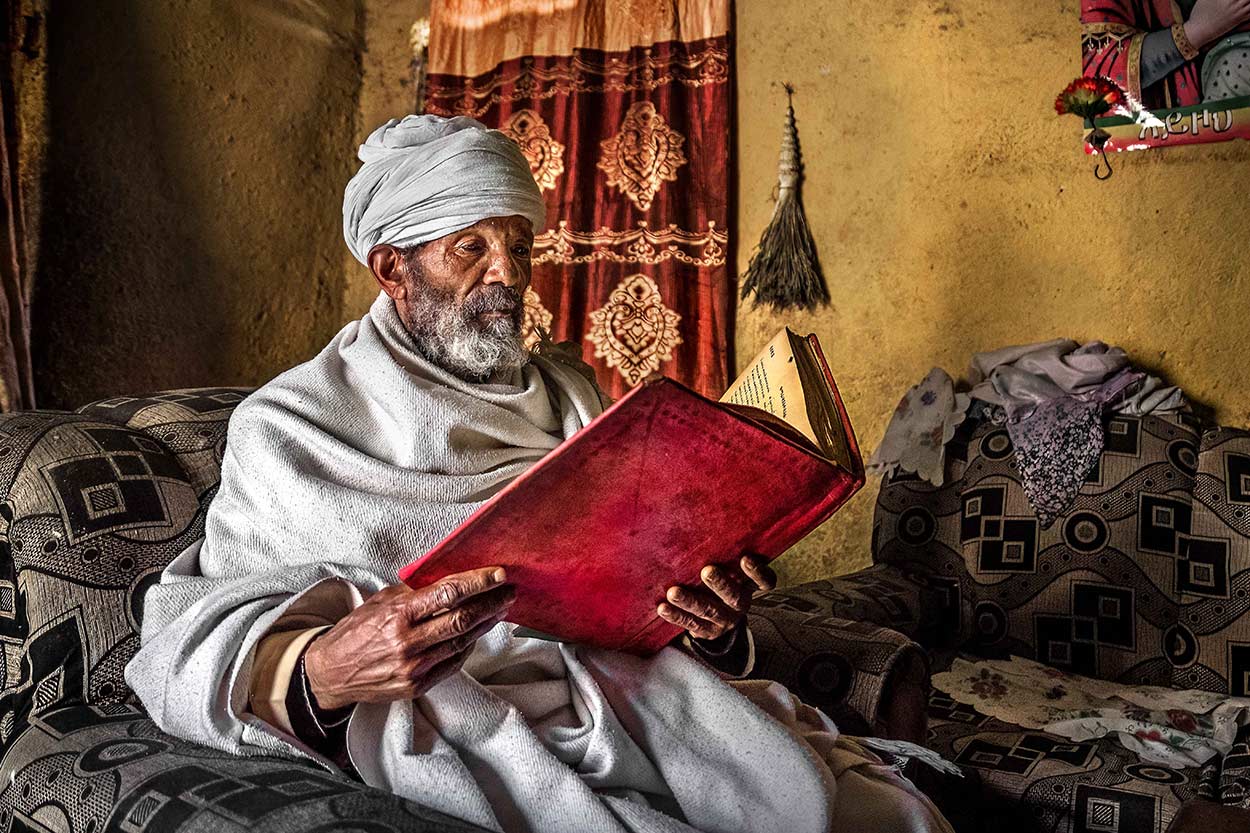
Roberto Pazzi © All rights reserved.
An Exclusive Interview With Roberto Pazzi
By Ariel SU
“There are moments in the field where experience becomes so powerful that it temporarily transcends the act of photographing itself.”
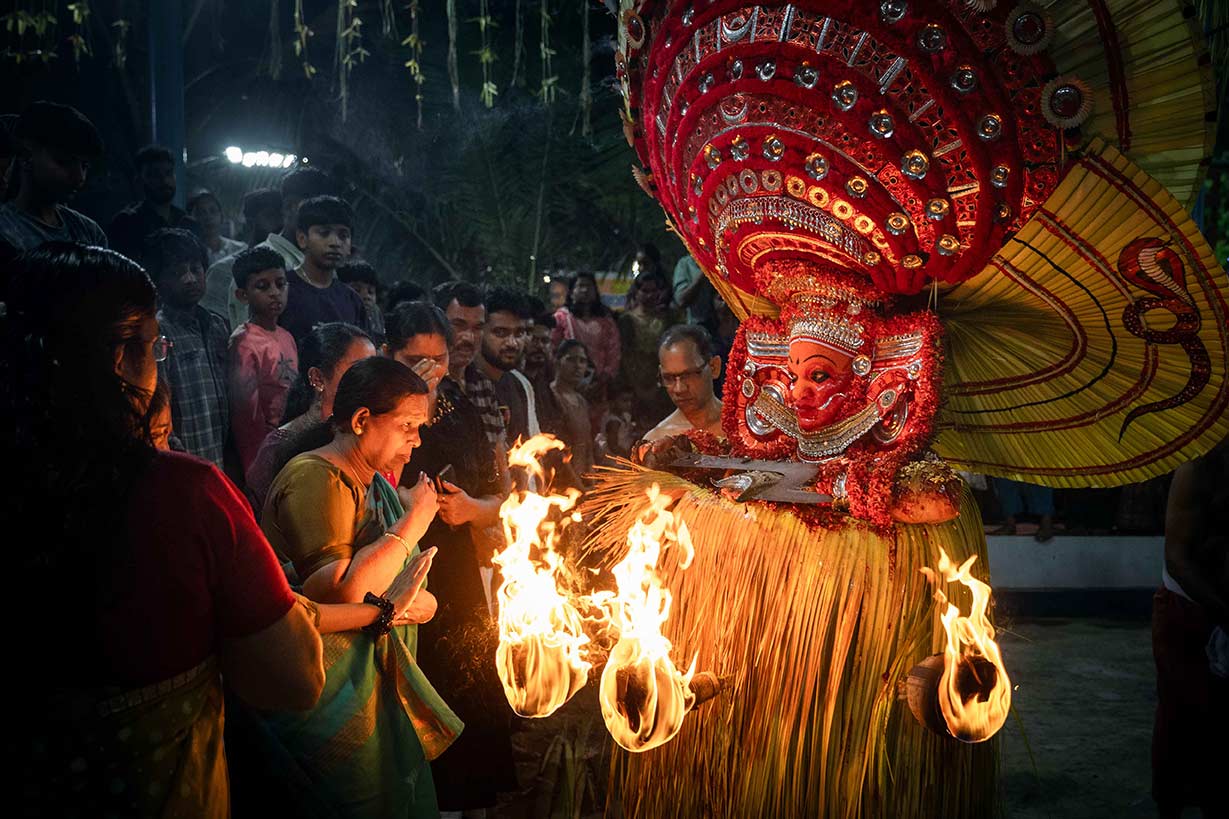
(India, 2026)
Roberto Pazzi © All rights reserved.
Lens Magazine: Roberto, thank you for this interview. It’s a pleasure to feature your work. Your photography has taken you to some of the world’s most remote and fascinating places. Before we discuss your work, could you share your background? Did you grow up around art, and what sparked your passion for photography? What inspired you to leave engineering for this path?
Roberto Pazzi: Thank you for the opportunity. I was born in Italy in 1973 and originally trained as an engineer. For nearly fifteen years, I built my career in the Information and Communication Technologies sector, holding a well-established and rewarding position. Although I had achieved professional success, I eventually realized that something essential was missing: real happiness.
The transition from engineering to photography was ultimately driven by my desire to pursue what I truly wanted to do with my life rather than simply continuing along a path built on what I felt I had to do. I reached a point where I understood that travel and photography were not just interests, but the activities that genuinely fulfilled me and brought me happiness. That realization became the foundation for one of the most important decisions of my life.
Although I did not grow up in a purely artistic environment, being Italian meant growing up surrounded by beauty and creativity. In Italy, art is part of everyday life, from painting and sculpture to architecture, design, fashion, and music. This constant exposure undoubtedly shaped my aesthetic sensitivity, even if I did not initially recognize it as such.
Travel had always been one of the most important parts of my life. Long before photography became central to my work, I was a passionate traveler and backpacker, driven by curiosity about different cultures and ways of life. Photography entered my life relatively late and initially served a very simple purpose: documenting the places, people, and experiences I encountered during my journeys.
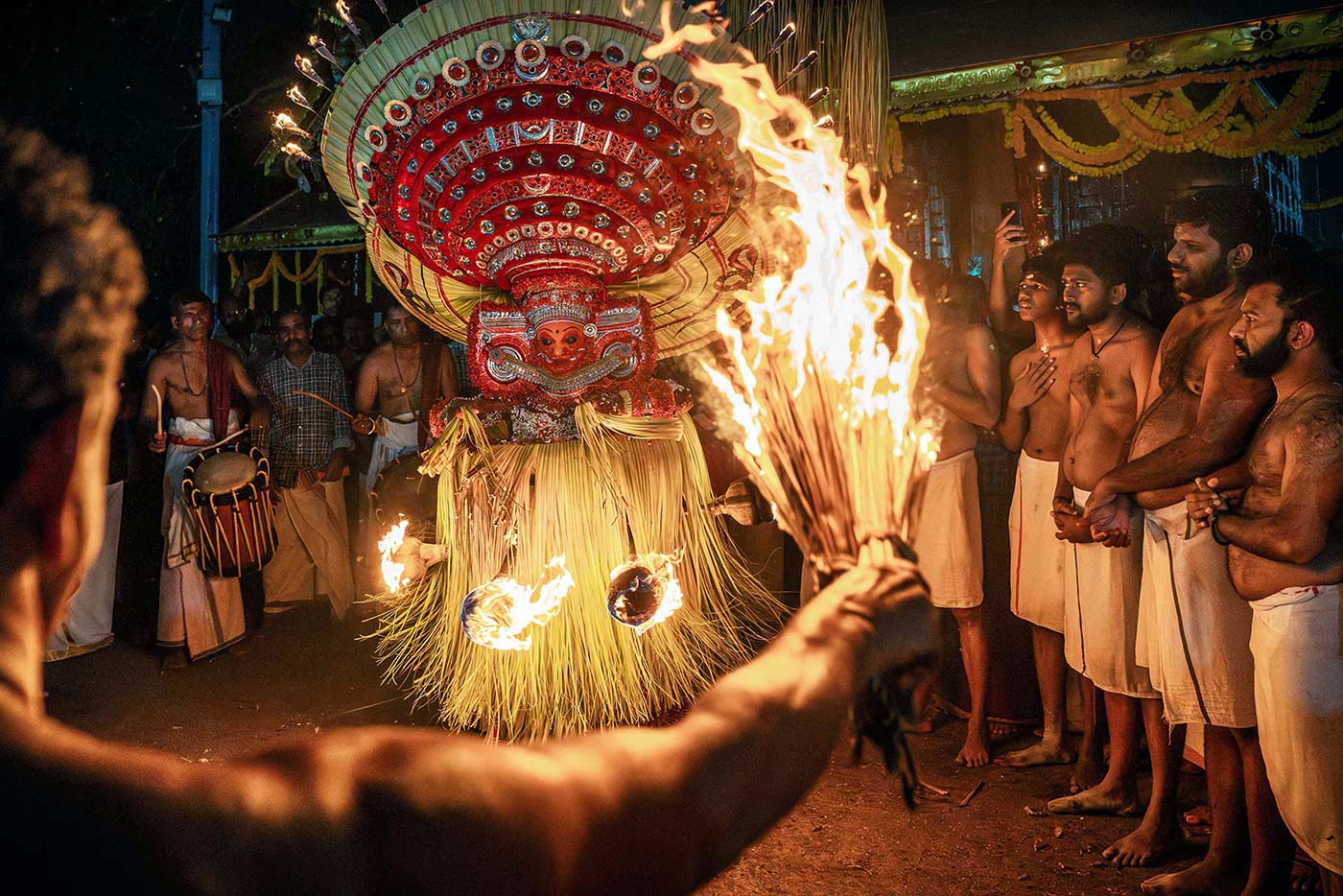
(India, 2026)
Roberto Pazzi © All rights reserved.
“What remains with me most strongly are not single images, but conversations and shared experiences. I value moments of exchange that are completely disinterested, where the purpose is simply to know each other.” – Roberto Pazzi
The turning point came in 2013 during an extensive trip across Indonesia. I traveled through Java, Sulawesi, Papua, Bali, Borneo, and Lombok to explore and document remote cultures. During that journey, I spent time with the Dani people in Papua, and the experience profoundly changed my perspective. For the first time, I understood that photography could be much more than a tool for recording what I saw. It could become a powerful means of human connection, storytelling, and cultural preservation.
That experience revealed the depth and responsibility that documentary photography can carry. I realized that what fascinated me most was not landscapes or destinations, but people, their stories, traditions, emotions, and identities. From that moment onward, photography became less about observation and more about immersion, trust, and relationships.
Returning from Indonesia, I began a period of deep personal reflection. I asked myself what I truly wanted to do with my life rather than simply continue along a path expected of me. The answer became increasingly clear: travel and photography. Eventually, I made the difficult decision to leave my engineering career and dedicate myself fully to these passions. It was a significant leap into the unknown, but one that fundamentally transformed my life.
I later moved to Spain, where I am now based, and continued developing my work as a documentary and travel photographer. My education as a photographer was never formal or academic. Instead, it was built through travel, field experience, continuous learning, and direct immersion within the communities I photographed. Every journey became both a photographic project and a lesson in understanding people and cultures.
Roberto Pazzi © All rights reserved.
Over the years, my work has focused increasingly on documenting communities whose traditional ways of life are under pressure from globalization and rapid social change. I have spent extended periods working in remote regions around the world, not only photographing but also learning to approach people respectfully, build trust, and tell stories ethically and authentically.
This path eventually led me to organize and lead photographic expeditions to remote cultures in countries such as Iran, Nepal, the Himalayas, and South Sudan.
Interestingly, another important chapter came during the COVID pandemic. With travel largely suspended, I dedicated significant time to refining my photographic skills and, almost as an experiment, began entering international photography competitions. I was genuinely surprised by the response. The awards and international recognition my work has received have helped consolidate my professional path and brought my photography to a much wider audience through exhibitions, publications, and media exposure. Among the most significant achievements, I have been named winner of the Smithsonian Magazine Photo Contest in 2023 and 2025, as well as Photographer of the Year at the London Photography Awards (2026), the European Photography Awards (2025), and the 500px Global Photography Awards (2025 and 2021).
Today, through my partnership with Nomad Photo Expeditions, which started in 2021, I continue to guide photographers to some of the world’s most fascinating and isolated regions, helping them experience these cultures in a respectful and meaningful way.
Looking back, leaving engineering was not a rejection of my previous life but rather the natural consequence of discovering what truly motivated me. Engineering gave me discipline, structure, and problem-solving skills. Photography gave me purpose, personal fulfillment, and happiness . The combination of travel, human connection, and storytelling ultimately became the path I was probably meant to follow.
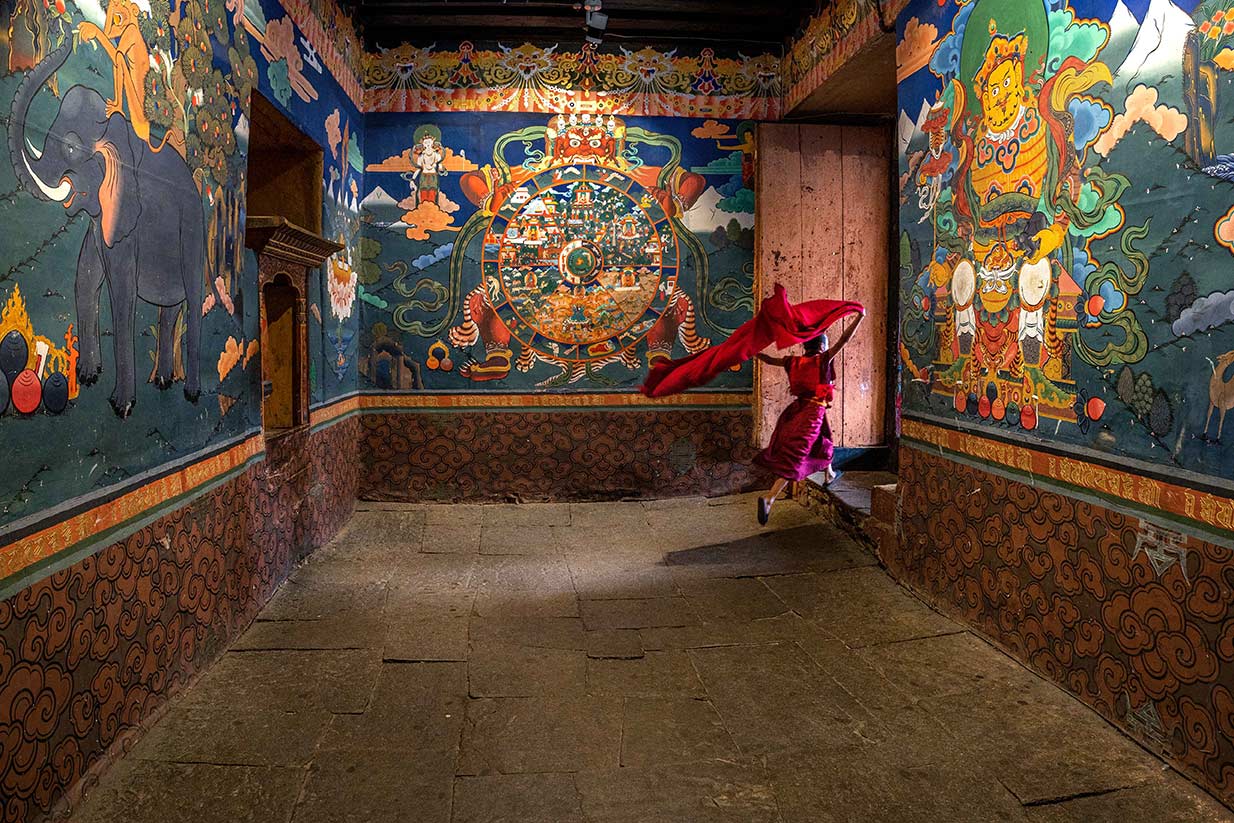
(Bhutan, 2024)
Roberto Pazzi © All rights reserved.
“Every face becomes a narrative, shaped by life, memory, and context, and photography becomes a form of exchange between two human trajectories.”
– Roberto Pazzi
Lens Magazine: In this series on spirituality, you captured diverse traditions—from Hindu and Buddhist ceremonies to Vodun, Christian, Islamic, and indigenous practices. After witnessing varied expressions of faith, did you notice any common threads connecting them?
Roberto Pazzi: Across these different traditions, what struck me most was not their differences, but the shared human structure beneath them.
Whether in Hindu and Buddhist ceremonies, Vodun rituals, Christian, Islamic practices, or indigenous belief systems, there is a consistent attempt to give form to something that is otherwise difficult to articulate: the human need to understand existence. Religion in all these expressions appears as a response to fundamental questions about life, death, suffering, and meaning.
I observed that ritual, in particular, plays a central role across cultures. Gestures, symbols, chants, offerings, and communal practices create a bridge between the individual and something perceived as greater than the individual. These acts are not only spiritual expressions but also deeply social ones. They generate cohesion, reinforce belonging, and define shared values within a community.
Another common thread is the way religion structures reality. It provides frameworks through which people interpret what happens in their lives, especially in contexts of uncertainty, fragility, or hardship. In this sense, religious systems are not separate from everyday life. They are embedded in it and help organize it.
What becomes evident upon observing these traditions is that religion is not only a matter of belief but also a cultural and social mechanism shaping identity and collective experience. It reflects a society’s values while also contributing to its continuity and stability.
Despite the diversity of forms and doctrines, the underlying impulse seems consistent. A human necessity to search for meaning, to establish connection both with the transcendent and with the community, and to situate oneself within the larger structure of existence.
Roberto Pazzi © All rights reserved.
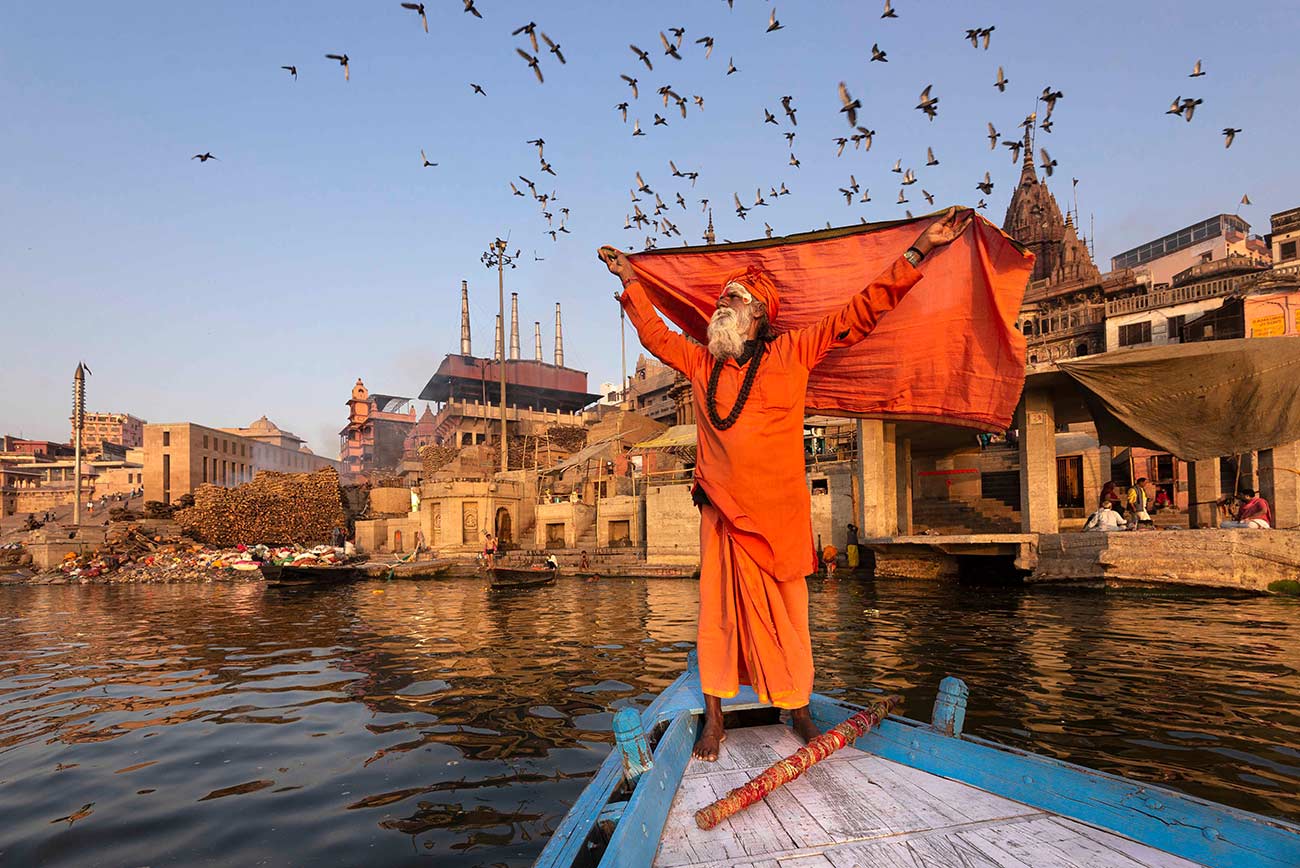
Lens Magazine: One of the photographs depicts the concept of moksha in India—the liberation from the cycle of reincarnation. Spiritual liberation appears in different forms across many religions. Have your travels changed your own understanding of life, death, and the search for meaning?
Roberto Pazzi: Although I consider my role as a documentary and travel photographer to be primarily that of a witness and observer of reality, with the aim of documenting it as objectively as possible, my travel experiences and life in general have certainly influenced and continue to reshape my perspective on many aspects of existence.
At the same time, my background and my rational, engineering-based education help me maintain a grounded and analytical approach rather than a purely spiritual or philosophical one. I tend to interpret what I see through a critical lens, focusing on context, human behavior, and the social and cultural mechanisms behind beliefs and practices, rather than adopting or internalizing them on a personal level.
That said, long-term exposure to different cultures, rituals, and belief systems inevitably has an impact. Repeated contact with radically different worldviews naturally expands one’s awareness of how diverse human interpretations of life, death, and meaning can be. My immersive travel experiences have increased my cognitive flexibility, empathy, and openness by challenging my internal assumptions and exposing me to alternative ways of organizing reality.
What has changed over time is not a belief system, but an awareness. An awareness that the questions surrounding life, death, and meaning are universal, even if the answers vary significantly. This perspective reinforces my intention to document rather than interpret, while remaining open to the complexity and depth of human experience.
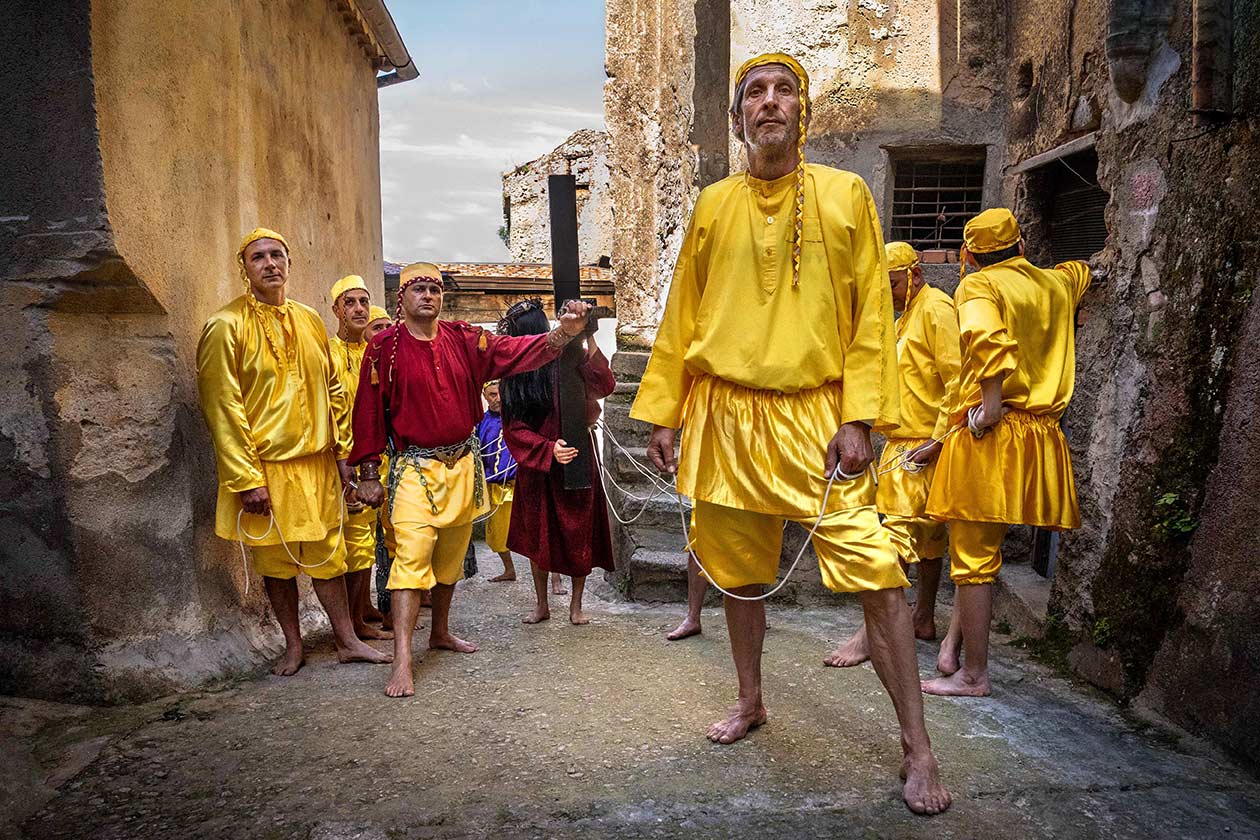
(Italy, 2025)
Roberto Pazzi © All rights reserved.
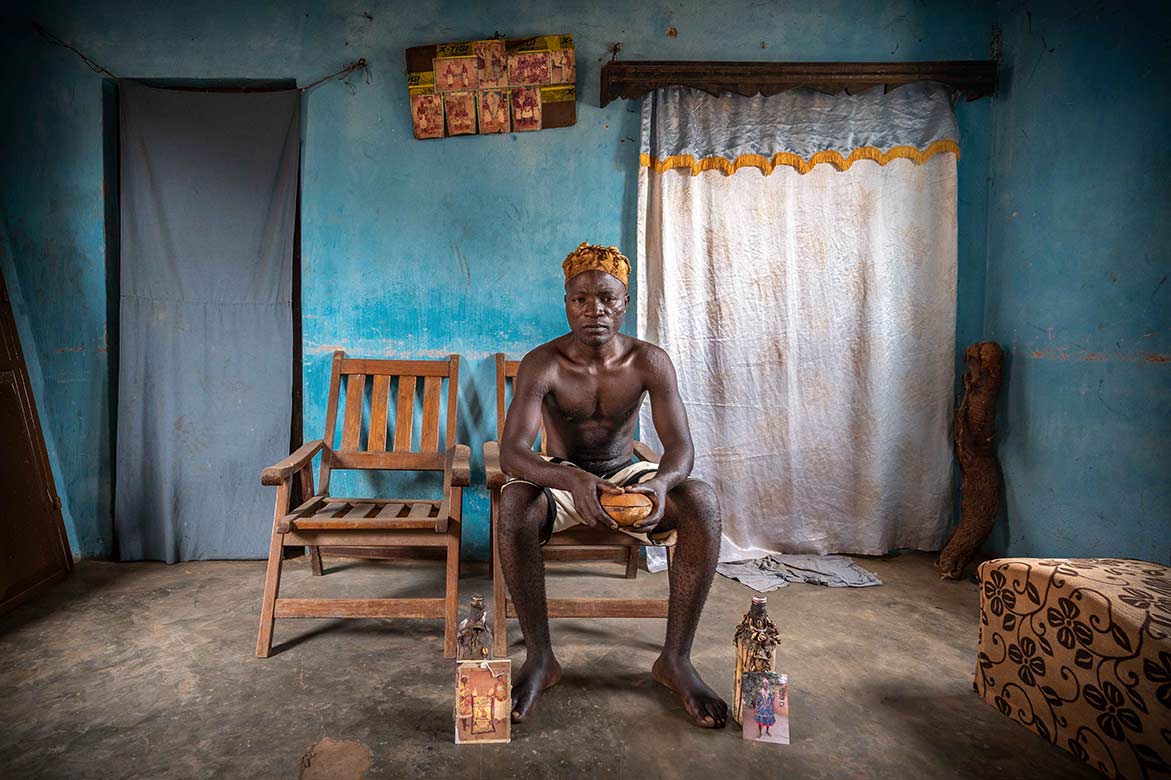
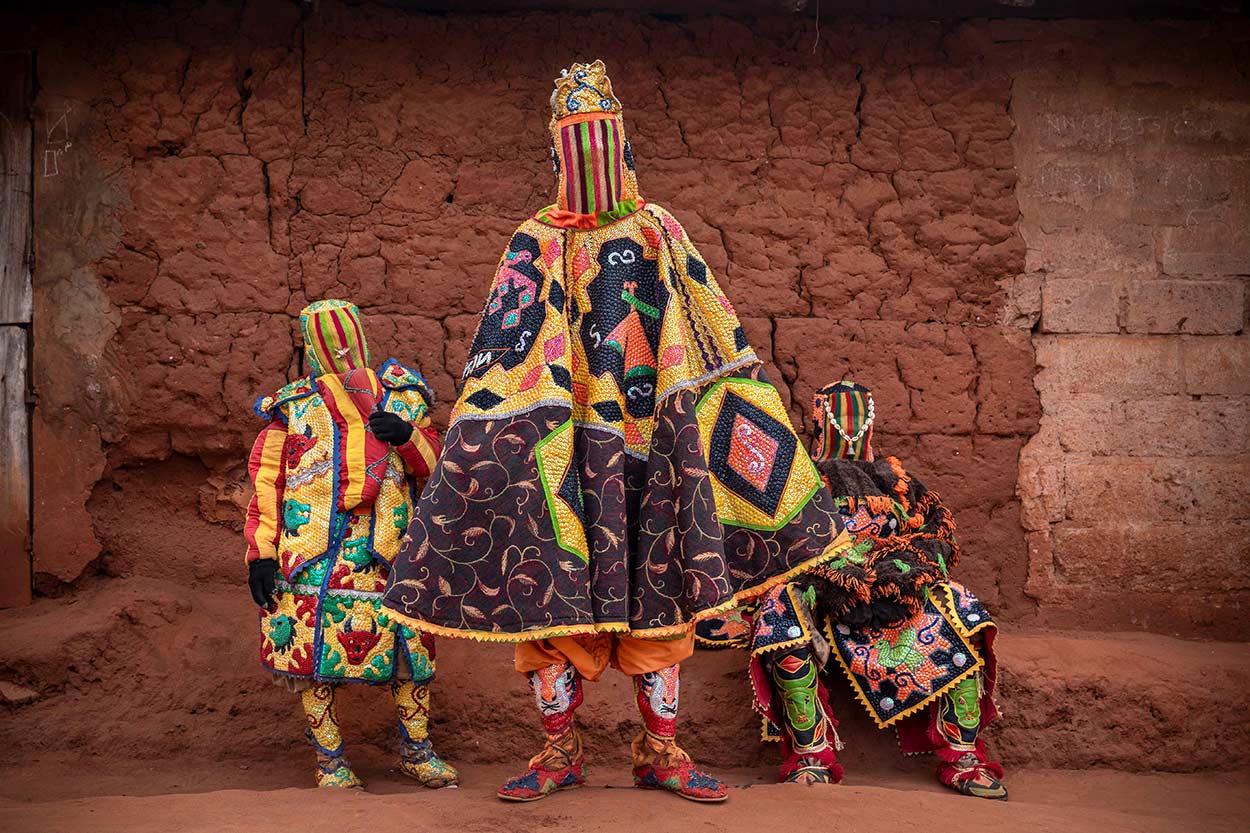
Lens Magazine: Many of your portraits reveal an extraordinary level of intimacy and trust between photographer and subject. How do you approach communities that may be unfamiliar with foreign visitors or photographers? How do you build the relationships that enable authentic moments, such as photographing the priest of the Temple of Thunder during a Vodun rite (Benin, 2026)?
Roberto Pazzi: At the core of my work, there is a deliberate effort to build meaningful relationships with the individuals and communities I encounter. When I arrive in a new place, I do not approach people as photographic subjects, but as individuals with whom I need to establish a human connection first. This happens through presence, respect, and genuine curiosity. Trust is never immediate; it develops gradually through time spent together and through the sincerity of the interaction.
A fundamental element of this process is investment of time. My work is based on immersion rather than brief encounters. I often remain within communities long enough to observe daily life, understand social dynamics, and share ordinary moments. Depending on the context, this can mean hours, days, or even weeks. This continuity is essential for moving beyond surface observation and for allowing relationships to evolve naturally.
It has led to a broader understanding of how central the search for meaning is in human life across all societies. Concepts such as moksha, reincarnation, or spiritual liberation are part of very structured cultural and philosophical systems that I approach with respect and interest, but always from an observational standpoint.
A portrait becomes a moment of encounter rather than a simple act of capture. It is a dialogue built over time, in which the image emerges from shared experience rather than an immediate request. In this sense, every face becomes a narrative, shaped by life, memory, and context, and photography becomes a form of exchange between two human trajectories.
Ultimately, what allows moments such as the one you mentioned in Benin to happen is not a single approach, but a long-term process. It is the accumulation of time, respect, repeated presence, and authentic interest in people and their way of life.
Another key aspect is the ability to return to the same communities multiple times. This continuity changes everything. When people begin to recognize you, when you are no longer perceived as a foreign presence but as a familiar face, the nature of the relationship shifts. Over the years, I have witnessed families grow, children become adults, and time pass within the same communities. In some cases, I am now received almost as a friend, which allows for a much deeper level of access and authenticity.
Trust is also built through attitude and consistency. I make a conscious effort to show genuine interest in local culture, often asking many questions, not only to understand context but also to demonstrate respect and engagement. This is not a superficial exchange but a way to learn how people live, think, and relate to their environment. That knowledge becomes essential later in the photographic process, allowing me to represent situations with greater accuracy and sensitivity.
Over time, this approach has helped me develop a set of interpersonal and observational skills that enable me to navigate diverse cultural environments. These soft skills are rooted in empathy, patience, and the ability to listen. Human connection, even across very different cultural systems, remains fundamentally universal. When sincerity is perceived, barriers tend to dissolve naturally.
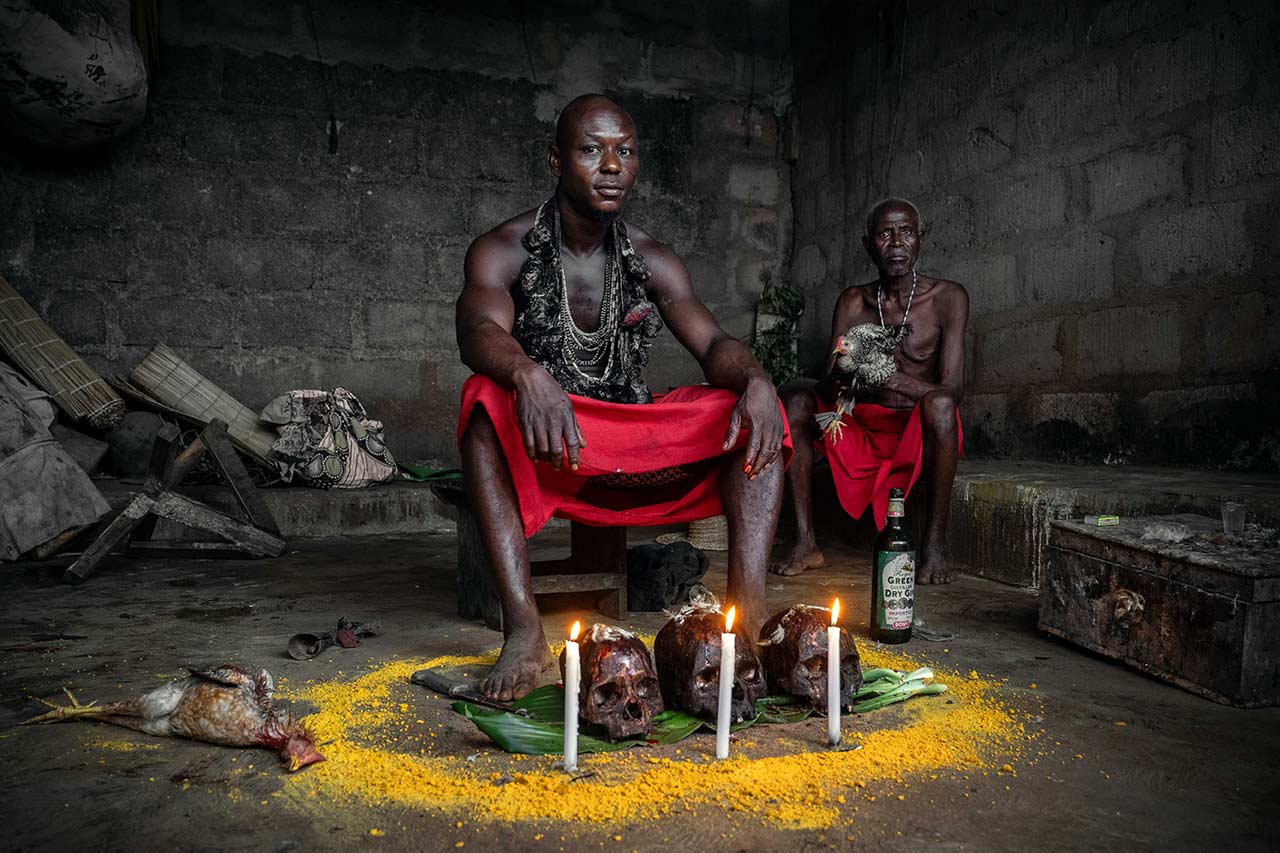
(Benin, 2026)
Roberto Pazzi © All rights reserved.
Lens Magazine: Your portraits of religious leaders across traditions often convey contemplation and devotion. Is there a religion or belief you feel most connected to?
Roberto Pazzi: I am fundamentally an atheist and do not identify with any specific religion or spiritual belief system. Nevertheless, my approach to life is grounded in common sense, respect, and core human values.
What I find particularly interesting is that these same principles are often at the core of many of the religious and spiritual traditions I have encountered. Across different cultures and belief systems, I repeatedly recognize shared ethical foundations such as respect for others, the importance of community, restraint, reflection, and a sense of responsibility toward life and the world.
In that sense, many of the values that shaped my upbringing and personal development appear reflected in very different religious and philosophical systems around the world.
This lead me to observe how universal certain human principles can be, even when expressed through vastly different cultural and symbolic forms.
The same applies to my work in the field. During my photographic expeditions, I consistently operate within an ethical framework based on respect for local cultures, their rules, traditions, and social structures. Over time, I have come to view this as a philosophy of life.
In that sense, it aligns closely with a principle that has long guided my work and travels, well expressed by Chief Seattle and also used as a quote at the opening of HUMANKIND, my limited-edition book: “Take only memories, leave only footprints.”
Lens Magazine: During your travels, have you ever encountered a spiritual ceremony or ritual that completely challenged your knowledge, assumptions, or expectations? Looking back on your journeys, was there a particular encounter, ceremony, or moment of faith that profoundly moved you as both a photographer and a human being?
Roberto Pazzi: In general, the rational and atheist component of my personality prevails. It allows me to approach every situation primarily as an observer, documenting events as a witness. This perspective is essential to my work, as it helps me maintain clarity and distance and translate what I see into a visual testimony to the extraordinary diversity of human culture.
Nevertheless, as a human being, I have been overwhelmed more than once by emotions of wonder and astonishment that far exceeded my expectations. There are moments in the field where experience becomes so powerful that it temporarily transcends the act of photographing itself.
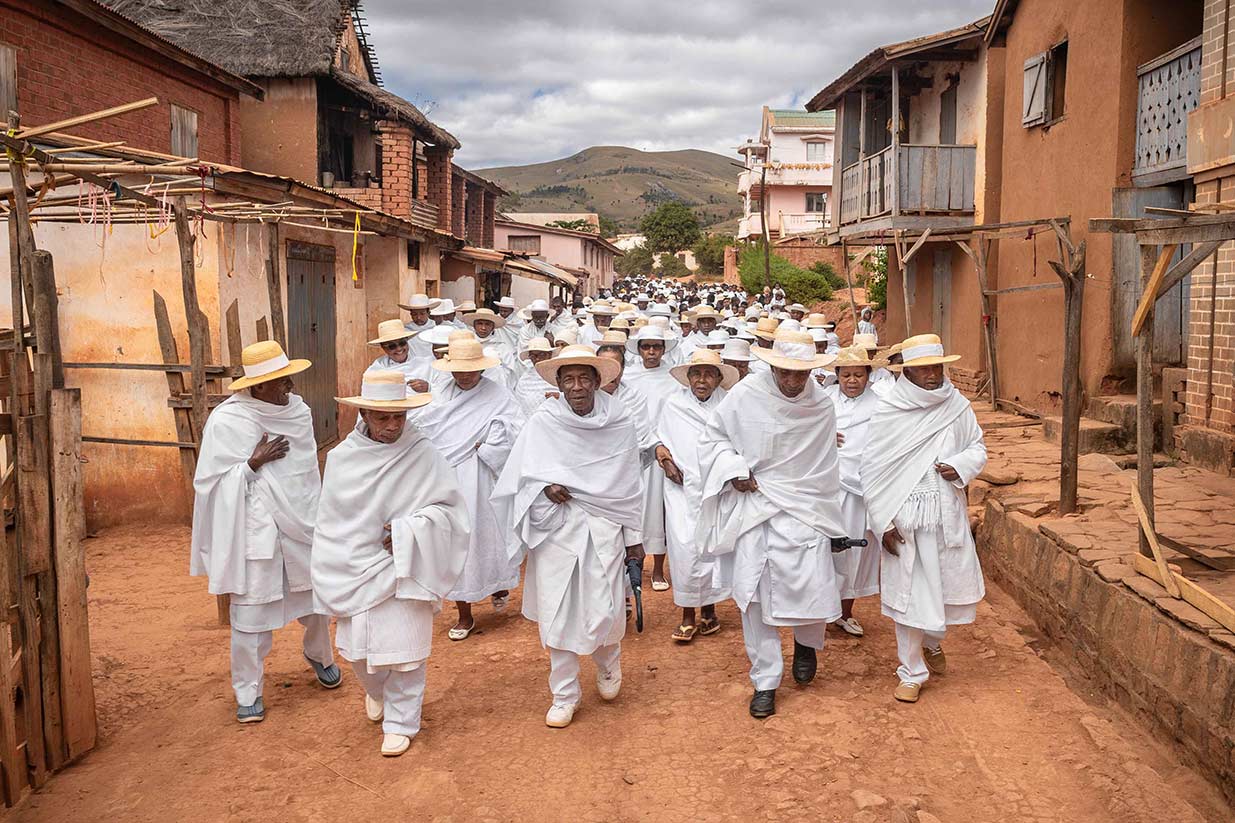
I clearly remember a state of near-trance and deep emotional immersion during the Sunday procession of the Fifohazana congregation in Madagascar , a Christian revival movement rooted in the late nineteenth century under Rainisoalambo. It was an experience that felt almost suspended in time, where collective devotion and rhythm created an intensity that was difficult to describe purely in rational terms.
A similar sensation returned in different contexts, such as during visits to the rock-hewn churches of Lalibela in Ethiopia, or while taking part in a ritual in Mongolia, sitting by the fire under a sky full of stars, interacting with a shaman in trance who invited me to communicate with ancestral spirits. I also recall the energy and physical intensity of the Theyyam rituals in Kerala, where performance, the people’s devotion, and transformation merge into a single experience.
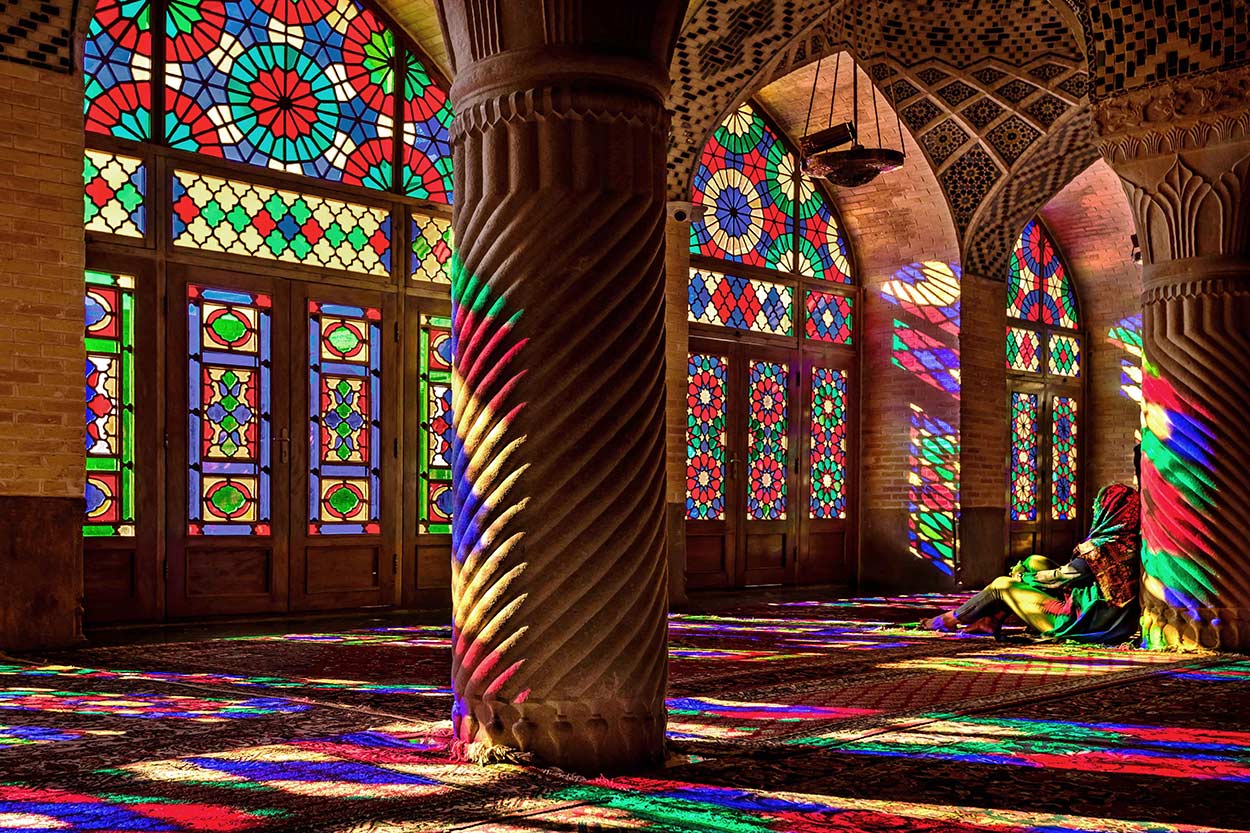
Even in more architectural and contemplative settings, the emotional impact can be equally strong, such as when entering the Nasir al-Mulk Mosque, the so-called Pink Mosque in Shiraz, Iran, where light, color, and space create an almost unreal atmosphere.
In all these cases, what remains constant is the duality of my experience.
The photographer in me stays anchored to observation and documentation, while the human side is sometimes absorbed by the intensity of what unfolds. It is precisely within this tension that many of my most meaningful experiences have taken place.
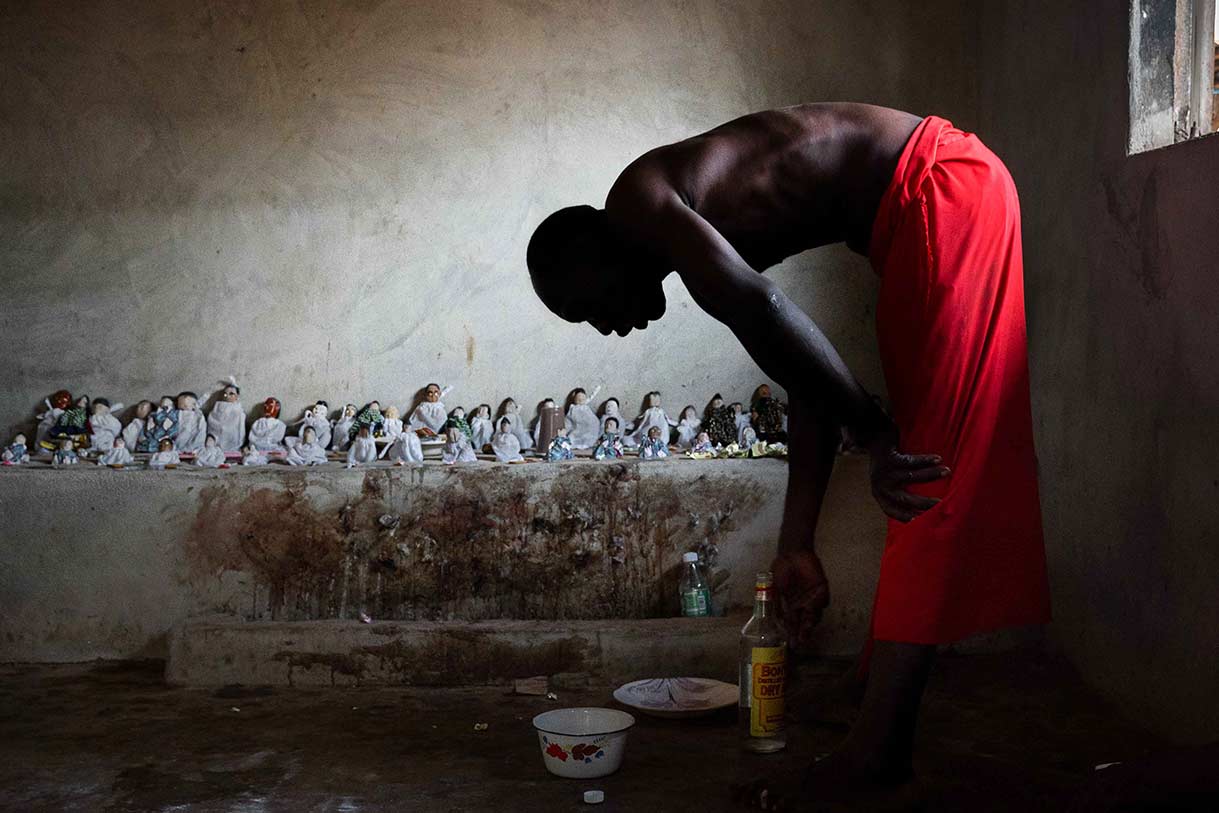
(Benin, 2025)
Roberto Pazzi © All rights reserved.
Lens Magazine: When you arrive in a remote village or community for the first time, what do you hope to learn beyond creating photographs? What conversations or experiences stay with you long after the camera has been put away?
Roberto Pazzi: I was born a traveler long before becoming a photographer, and that identity still defines how I approach the world. Curiosity and a genuine desire for understanding are central to my personality.
Therefore, when I arrive in a remote village or community for the first time, my intention goes far beyond creating photographs.
At the beginning, I never approached people as photographic subjects.
I approach them as individuals with whom I need to build trust through presence, respect, and sincere curiosity. This process takes time. It is based on immersion rather than observation at a distance. I often stay long enough to experience daily life, understand social dynamics, and simply share ordinary moments without any immediate intention to photograph. Only through this continuity do relationships become real and stable enough for meaningful photographic work to emerge.
What remains with me most strongly are not single images, but conversations and shared experiences. I value moments of exchange that are completely disinterested, where the purpose is simply to know each other. These interactions are not one-directional. I ask questions, but I also receive many questions in return, and this reciprocity is essential. It allows me to understand not only the community but also how I am perceived as an outsider.
Over time, I have often been surprised by how my presence is interpreted. In many cases, what I initially assumed might be perceived as intrusive is instead met with openness, curiosity, and even a sense of honor that someone has traveled from so far to engage with their culture.
These exchanges are what stay with me the longest. They are often more significant than the photographs themselves. In many cases, over repeated visits, this relationship evolves further, and I am perceived as a familiar person.
Ultimately, what I seek is not only to document cultures but to participate, even briefly, in genuine moments of human exchange where curiosity flows in both directions.
“Photography becomes not only a form of observation but also a tool for documentation and preservation, contributing to the collective memory of human cultural heritage. Spirituality is deeply embedded within human culture and identity.”
– Roberto Pazzi
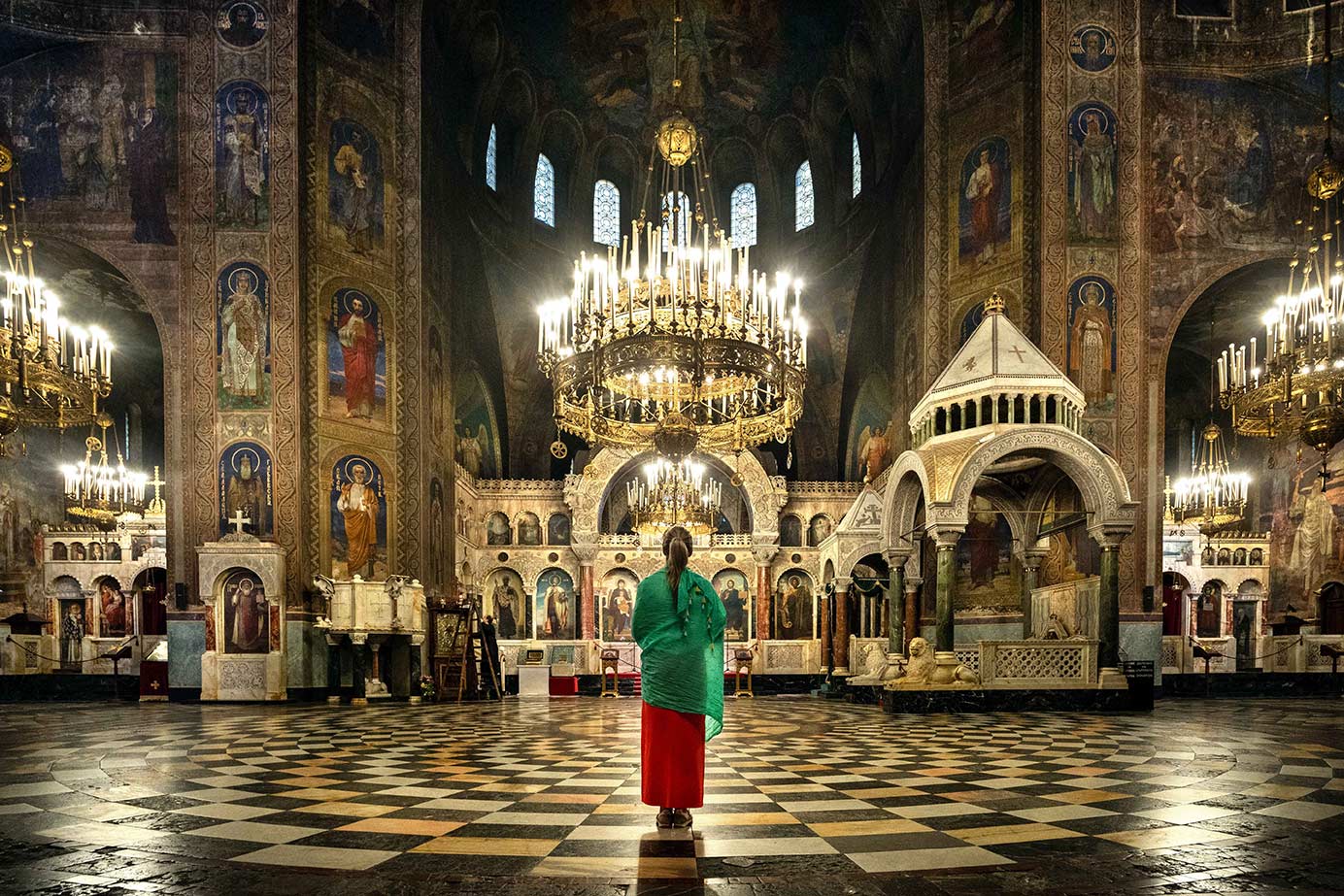
(Bulgaria, 2026) Roberto Pazzi ©
All rights reserved.
Lens Magazine: Through HUMANKIND, you celebrate diversity and shared humanity. What do you hope viewers learn from your work? Have any viewers’ reactions especially touched you?
Roberto Pazzi: Through HUMANKIND, my intention was to celebrate human diversity while also highlighting a deeper layer: the fragility of cultural identity in a rapidly changing world. The book is not only a visual journey across more than ten years, three continents, and over twenty countries, but also a tribute to the resilience and dignity of communities whose ways of life are increasingly under pressure from globalization and social transformation.
What I hope viewers take away from my work is, first of all, a sense of recognition. Recognition of how vast, diverse, and yet profoundly connected humanity is. Each portrait is meant to go beyond the surface and reveal something universal within difference. At the same time, I hope the work encourages reflection on how much of this cultural richness is vulnerable and, in some cases, at risk of disappearing. Knowledge leads to sensitivity, sensitivity leads to appreciation, appreciation leads to awareness, and awareness can ultimately lead to responsibility and action to safeguard cultural heritage.
The reactions to the book have been deeply meaningful. Many readers describe it as an emotional experience, not just a photographic one. Some speak about being humbled by the “soul of humanity” captured in the images, others mention laughing, being moved to tears, or feeling as though they are traveling through distant worlds that suddenly feel close and familiar. Several have highlighted how each photograph feels like a story in itself, and how the book creates a sense of connection between viewer and subject that goes beyond geography and culture.
What has touched me particularly is the diversity of people who have connected with the work. Beyond photography enthusiasts, the book has been purchased by teachers who use it to share discussions on culture and identity with students, by grandparents who explore it together with their grandchildren, and by anthropologists and intellectuals interested in questions of cultural heritage and human identity. This range of engagement was never something I took for granted, and it confirmed for me that visual storytelling can operate on many different levels.
Ultimately, HUMANKIND is the first chapter of a long-term project to document and preserve cultural diversity. My goal is not only to create a visual archive but also to contribute, even in a small way, to the preservation of cultural heritage at risk of disappearing. Photography, in this sense, becomes a tool that moves from observation to awareness, and from awareness toward a more conscious appreciation of what it means to be human in all its forms.
Lens Magazine: Are there still regions, communities, or spiritual practices you dream of photographing—such as a unique tribe or North Korea?
Roberto Pazzi: North Korea is very much at the top of my list of destinations I would like to photograph. Alongside it, Afghanistan, Nigeria, and Angola are also among the countries I am most interested in exploring in the future.
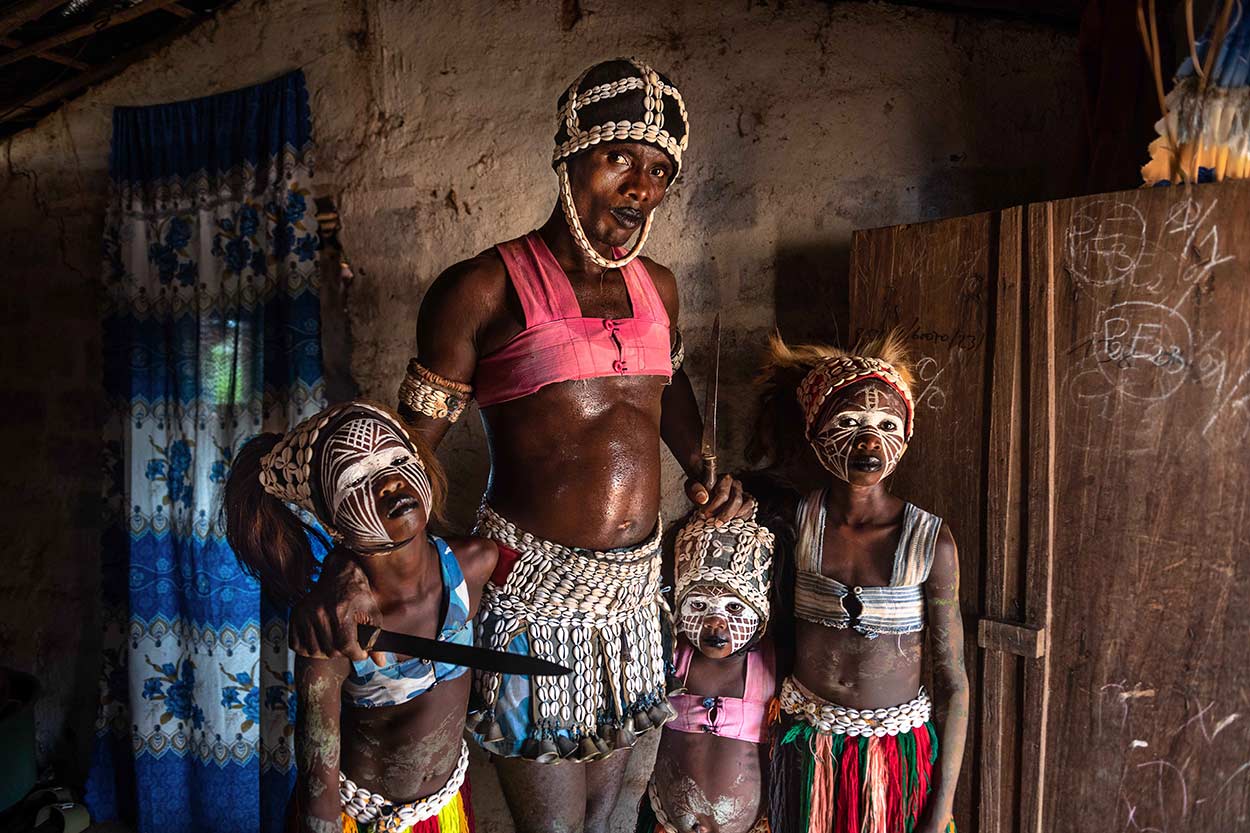
Roberto Pazzi © All rights reserved.
Lens Magazine: Many young photographers dream of building a career that combines travel, artistic recognition, publishing, and meaningful storytelling. What advice would you give to the next generation seeking to follow a similar path?
Roberto Pazzi: My advice to photographers who would like to follow a similar path is to focus less on equipment and more on practice and consistency.
Technology is secondary compared to developing your own way of seeing through time spent in the field.
The first step is to understand what truly draws you to photography, since it is an extremely broad discipline. Once that direction becomes clear, it is important to build a personal vision and visual language that allows you to communicate your intent with clarity and coherence.
From there, I would strongly recommend working on long-term projects rather than isolated images. Photography develops through continuity, patience, and sustained engagement. Breaking larger ambitions into smaller, daily actions helps maintain focus and ensures constant, incremental improvement.
Whenever possible, prioritize the kind of photography you are genuinely passionate about, rather than being driven solely by commercial considerations. Ideally, both aspects can coexist, but passion should remain central whenever possible.
At the core of documentary photography is the human connection. Respect, patience, empathy, and curiosity are essential when working with people and communities. Trust is not given automatically; it is built over time through presence, sincerity, and shared experience.
Careful preparation is also fundamental, especially when working in remote or culturally complex environments. Understanding context, logistics, and local conditions is part of a responsible and ethical photographic practice.
Ultimately, photography should aim to go beyond aesthetics and technical perfection. Its real value lies in expressing emotional truth, dignity, authenticity, and meaningful human stories.
Finally, this path requires long-term commitment. Consistency, dedication, and a willingness to engage deeply with the world over time are what allow a photographic vision to mature and become meaningful.
Roberto Pazzi © All rights reserved.
Lens Magazine: Do you feel that photography can help protect cultural and spiritual heritage for future generations?
Roberto Pazzi: Yes, absolutely. As I have mentioned several times, this is one of the core purposes of my work and a central motivation behind my long-term project HUMANKIND. The book itself was conceived as a tribute to the beauty and diversity of humankind, but also as a visual record of cultures, traditions, and ways of life that are increasingly fragile. In this sense, photography becomes not only a form of observation but also a tool for documentation and preservation, contributing to the collective memory of human cultural heritage. Spirituality is deeply embedded within human culture and identity. It is not a separate layer, but an integral one, shaping values, behaviors, and collective memory. Beyond its symbolic and existential dimension, spirituality also plays a very concrete role in preservation. One need only consider the vast cultural and artistic heritage safeguarded within churches, mosques, synagogues, temples, and institutions associated with religious traditions worldwide. These spaces function not only as places of worship but also as repositories of art, architecture, music, manuscripts, and collective history.
Roberto Pazzi © All rights reserved.
Lens Magazine: Finally, after all the people you have met, the cultures you have encountered and become familiar with, and the stories you have documented, what has photography taught you about humanity itself? Is there hope?
Roberto Pazzi: Here, my answer is inevitably shaped by my rational and observational approach rather than by direct emotional identification. I see myself more as a witness than as a participant in the system I document, and this position naturally leads to a broader, more analytical view of human behavior over time.
What emerges from this long-term observation is a sense of cyclical patterns in human history. Periods of stability and progress are often followed by periods of crisis and regression. This is not a new idea; it has been observed in different forms across cultures and throughout history, including the notion that difficult times produce resilience, that resilience leads to prosperity, that prosperity can lead to complacency, and that complacency eventually contributes to new difficulties.
From this perspective, hope is not static or guaranteed, but depends on awareness. If there is a lesson to be drawn, it may lie in the importance of memory and historical consciousness. Preserving knowledge of the past and understanding recurring dynamics may be among the few tools available to maintain a balance between progress and fragility and to support the conditions that enable societies to remain stable over time.
(Benin, 2026)
Roberto Pazzi © All rights reserved.