
Memories
2024–2026, Côte Vermeille, France
By Julien Sunyé
Julien Sunyé ©
All rights reserved.
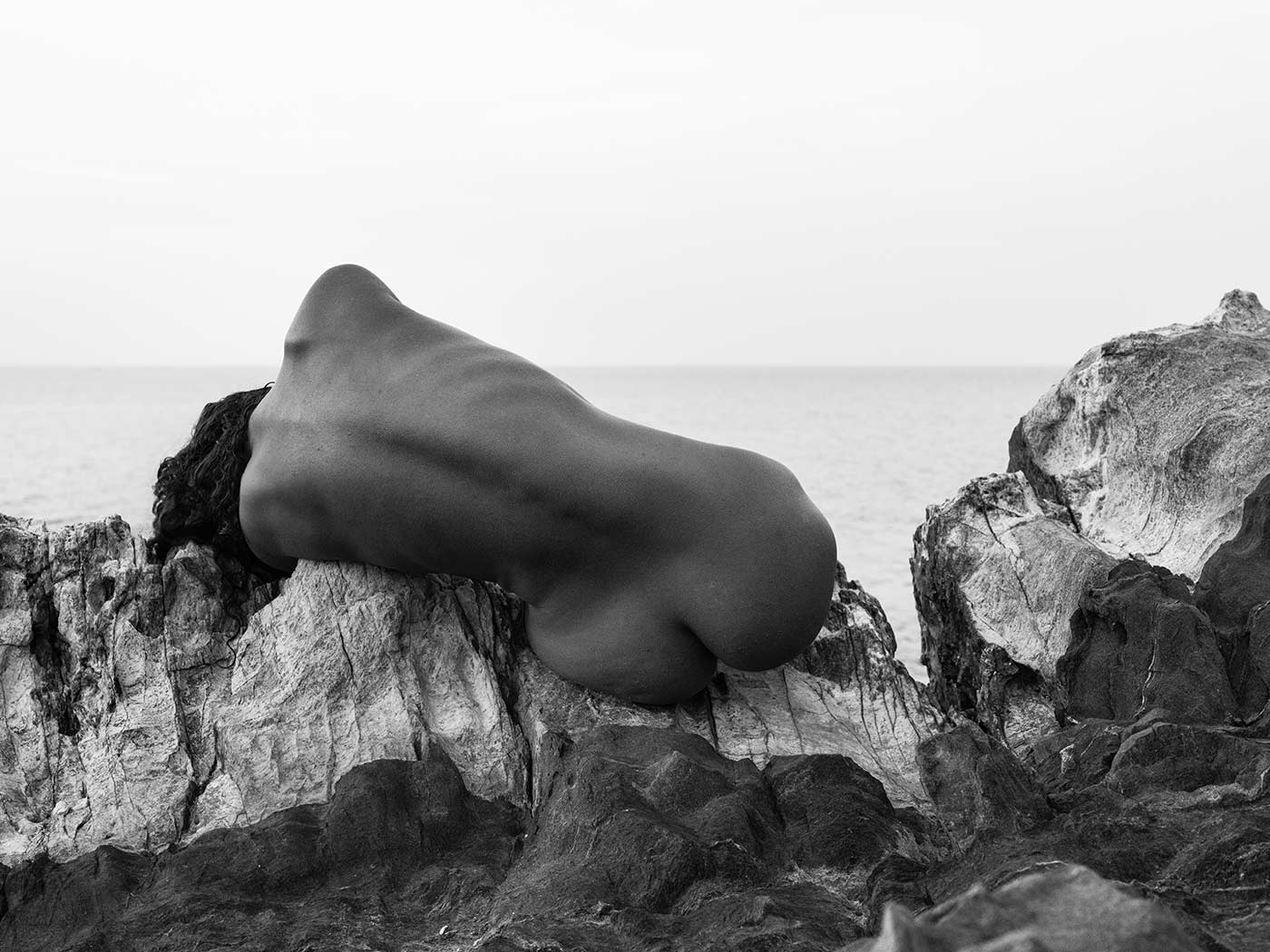
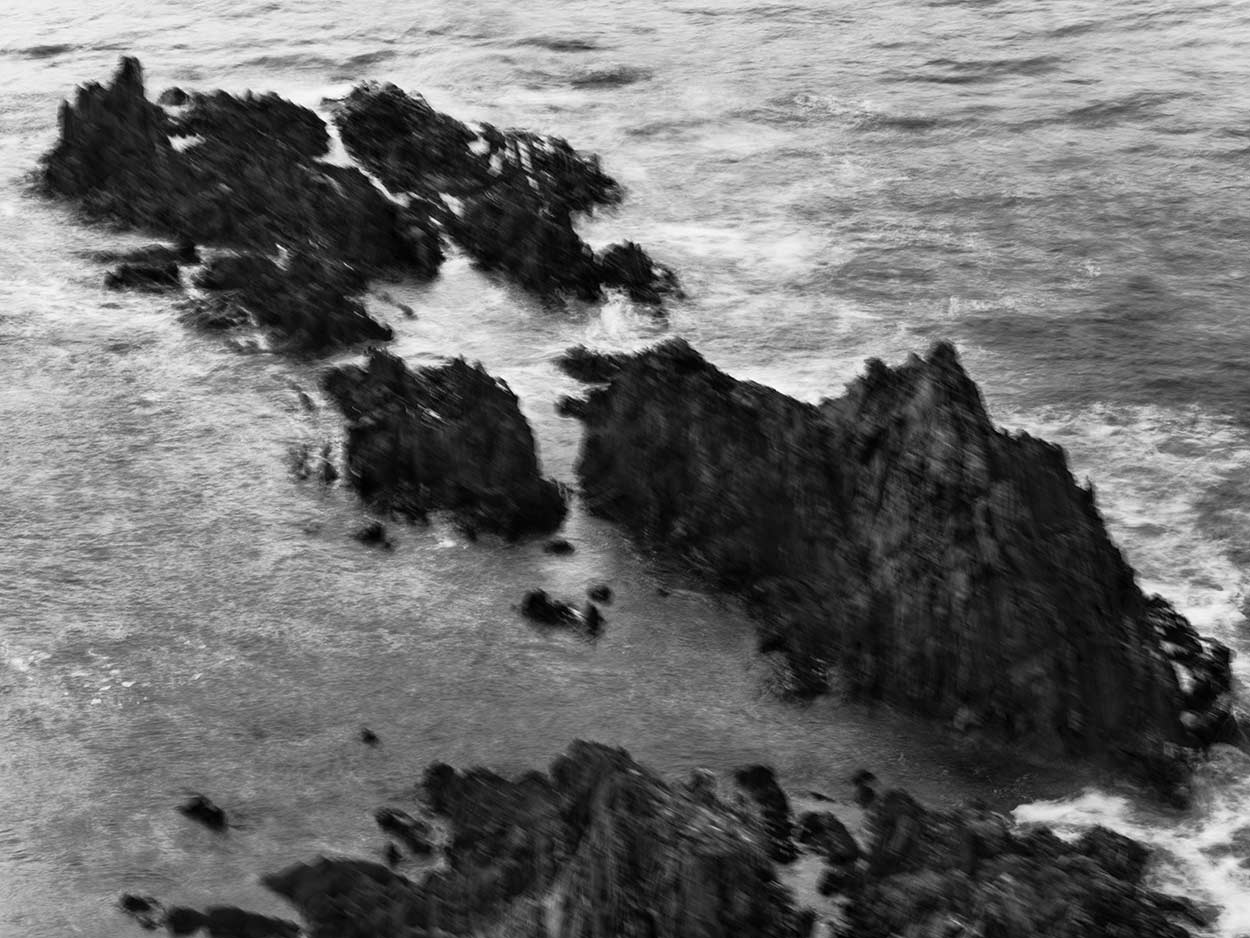
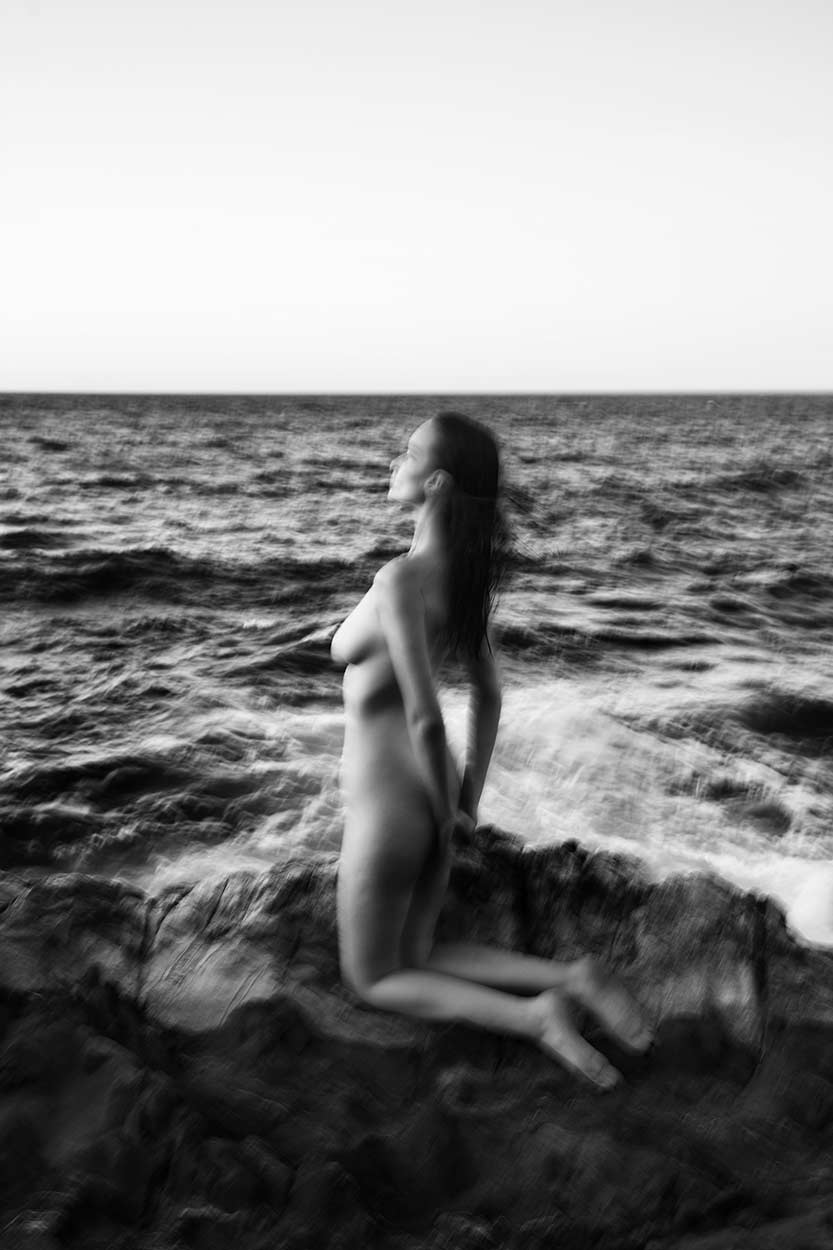
“Memories” is the photographic chronicle of my journey back. Back to a feeling that has stayed with me. A visceral experience of the landscape.
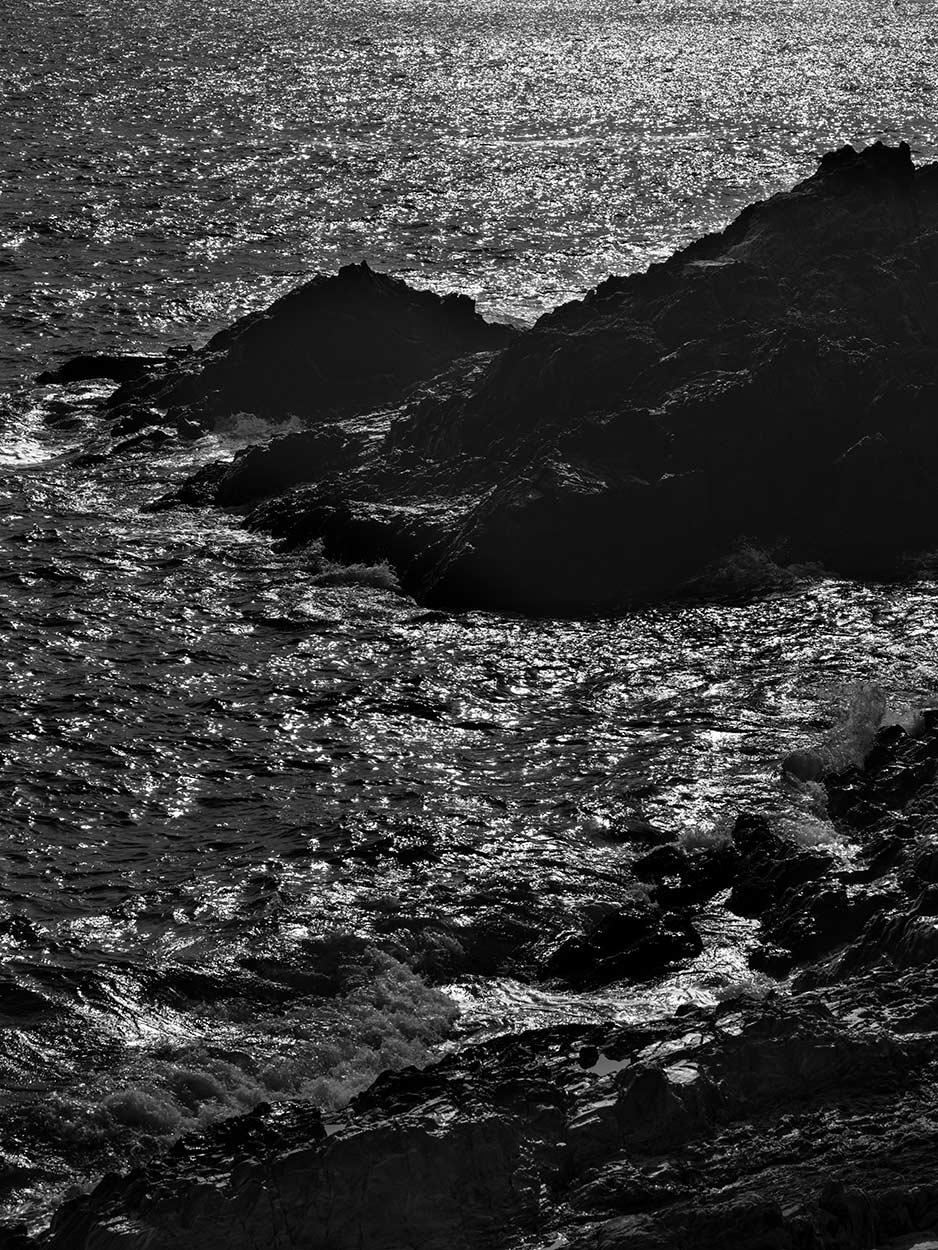
Existence felt through the sun burning on the skin, the salt left by a wave on top of a lip, the sweat running down the arm—the scent of flowers and the sounds of a summer breeze passing through the reeds.”
Julien Sunyé ©
All rights reserved.
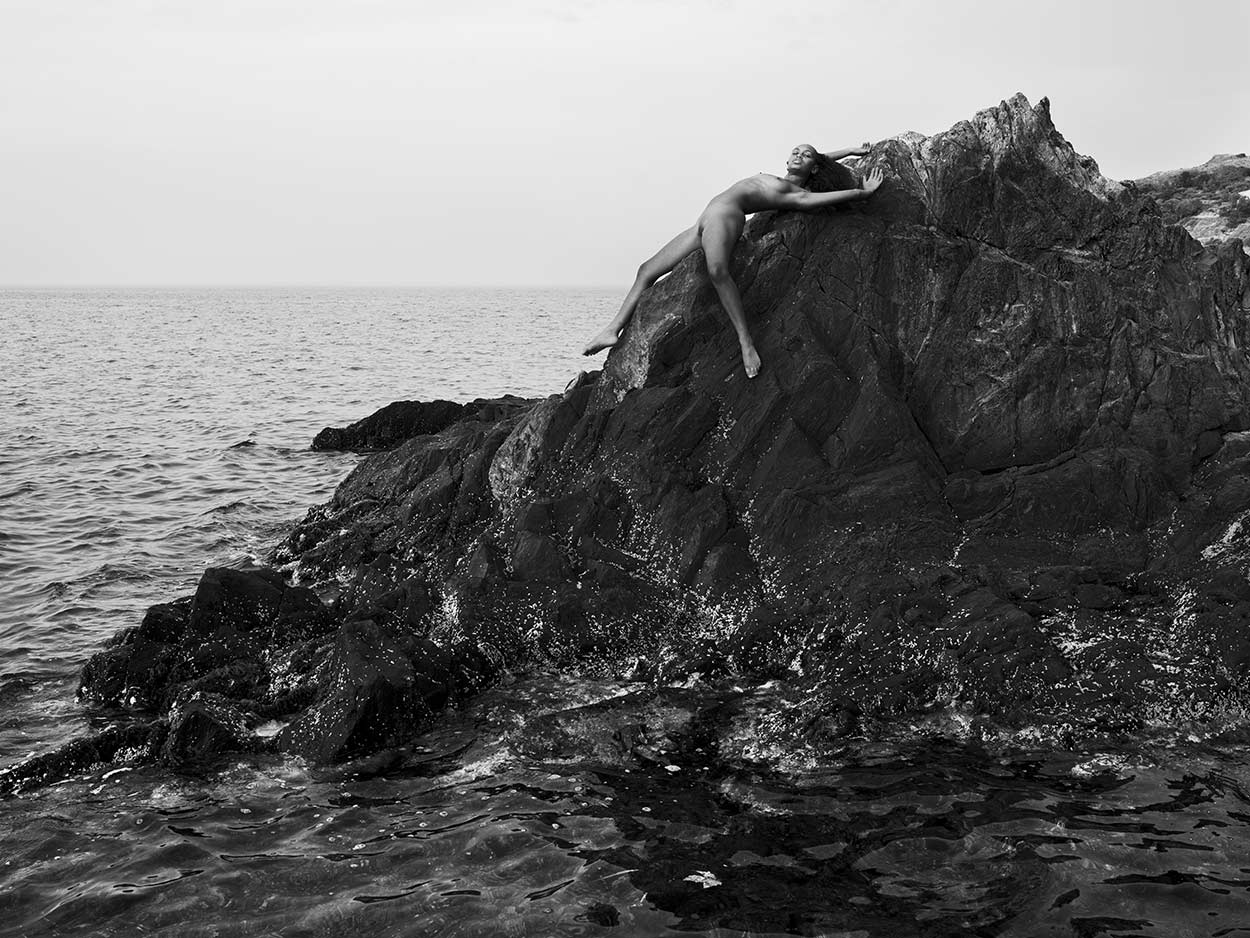
If our existence is a miracle, our lives in society are often absurd. When we’re young and haven’t yet had to choose between conforming or resisting, we unconsciously enjoy this essential feeling of living to the rhythm of our breath, letting ourselves be guided by curiosity and pursuing our passions.
It’s only once we become adults and have responsibilities, bills, loans, and opportunities too, that we drift away from the essentials, almost without realizing it, until one day we suddenly wonder, how did I get here? And how did I stray so far from what used to make sense?
Julien Sunyé ©
All rights reserved.
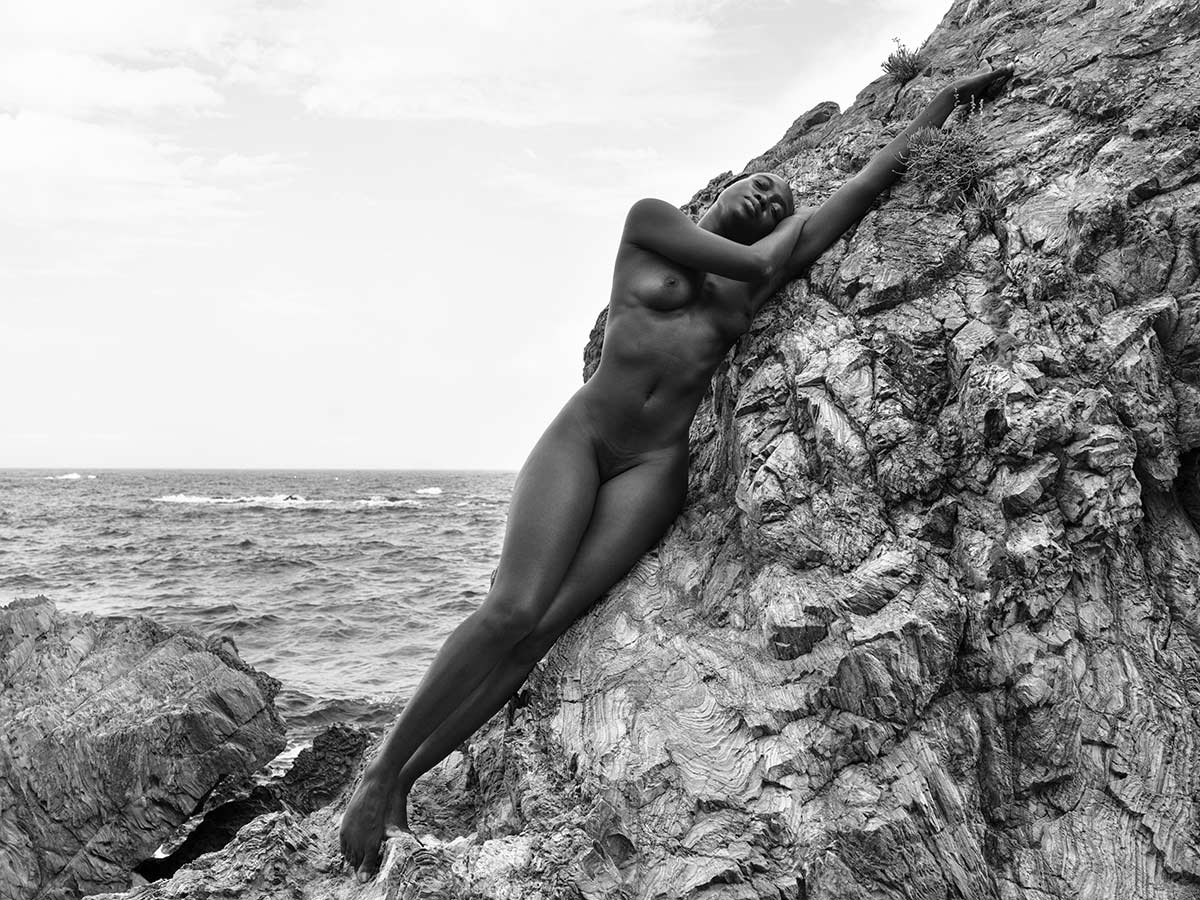
Yet I could still feel it inside me, like a memory in my body, one I couldn’t put into words. It reminded me of that famous line by Albert Camus: ‘In the midst of winter, I finally learned that there was in me an invincible summer.’
I wanted that summer.
I knew it, and I wanted to find it again. To live it again. I went looking for it where I remember feeling it the last time.
Julien Sunyé ©
All rights reserved.
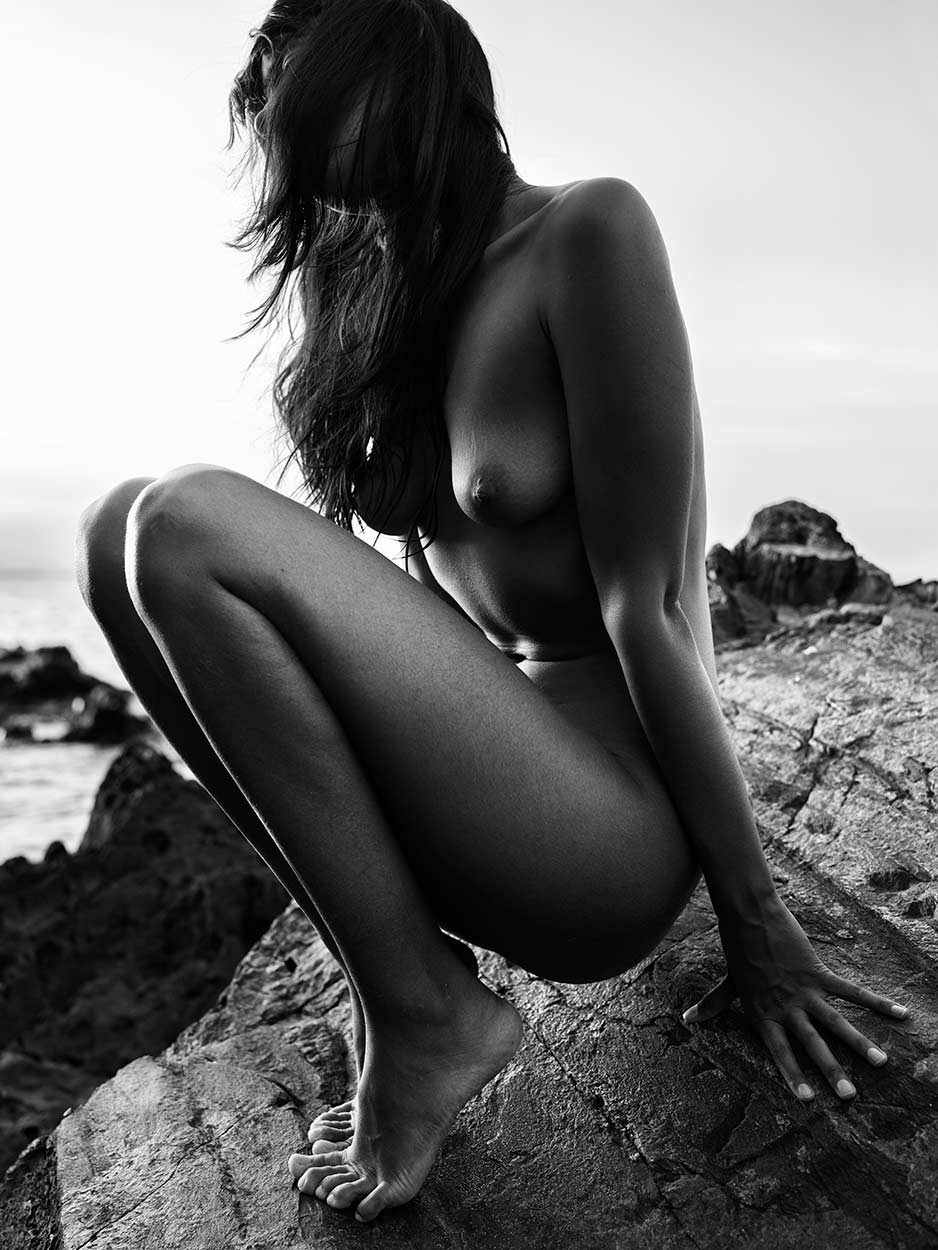
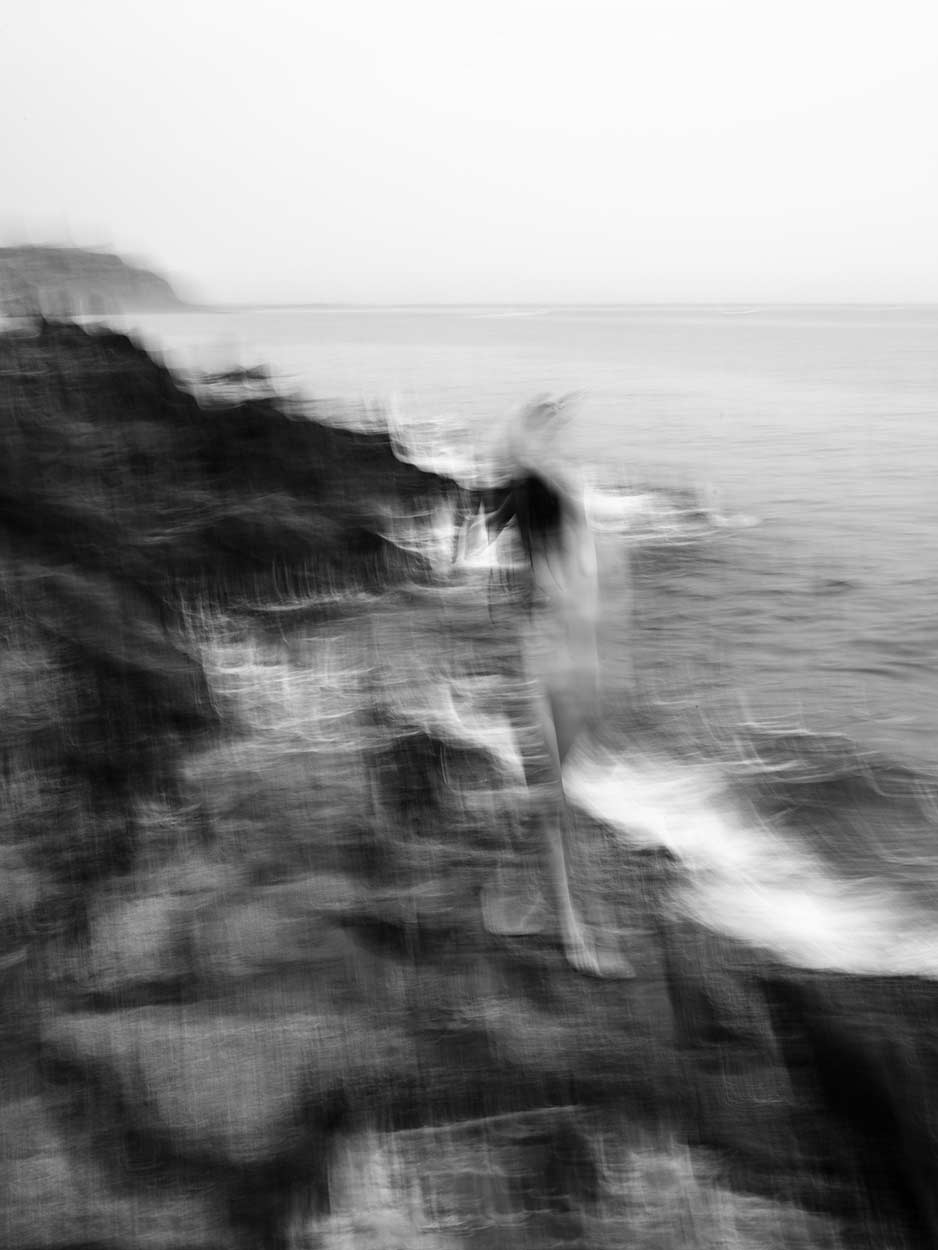
It turns out that when you try to bring a memory back, it changes. Each attempt to get closer was, at the same time, a step further away. The memory was gradually becoming blurry, to the point where you start wondering: was it really that I thought I remembered? It’s been a few years now that I’ve been searching, and I don’t know if I’ve come closer and the destination is just around the corner, or if, after so much searching, even the slightest trace of that physical experience is lost forever.
I believe there is a possibility of correlation between us gradually losing the essence of what living means to us individually, what we see happen in society, with increasing polarization, politics of power trumping the rule of law, and what happens in nature, with massive biodiversity loss and climate change. So it is important to realize that whatever I find at the end of this photographic journey will also be a relic from a world that no longer exists. It may help others piece together something that makes sense to them in this swiftly unraveling world. As I watch the world burn around me, I realize it’s not just me who has lost this memory; we all have.
Julien Sunyé ©
All rights reserved.
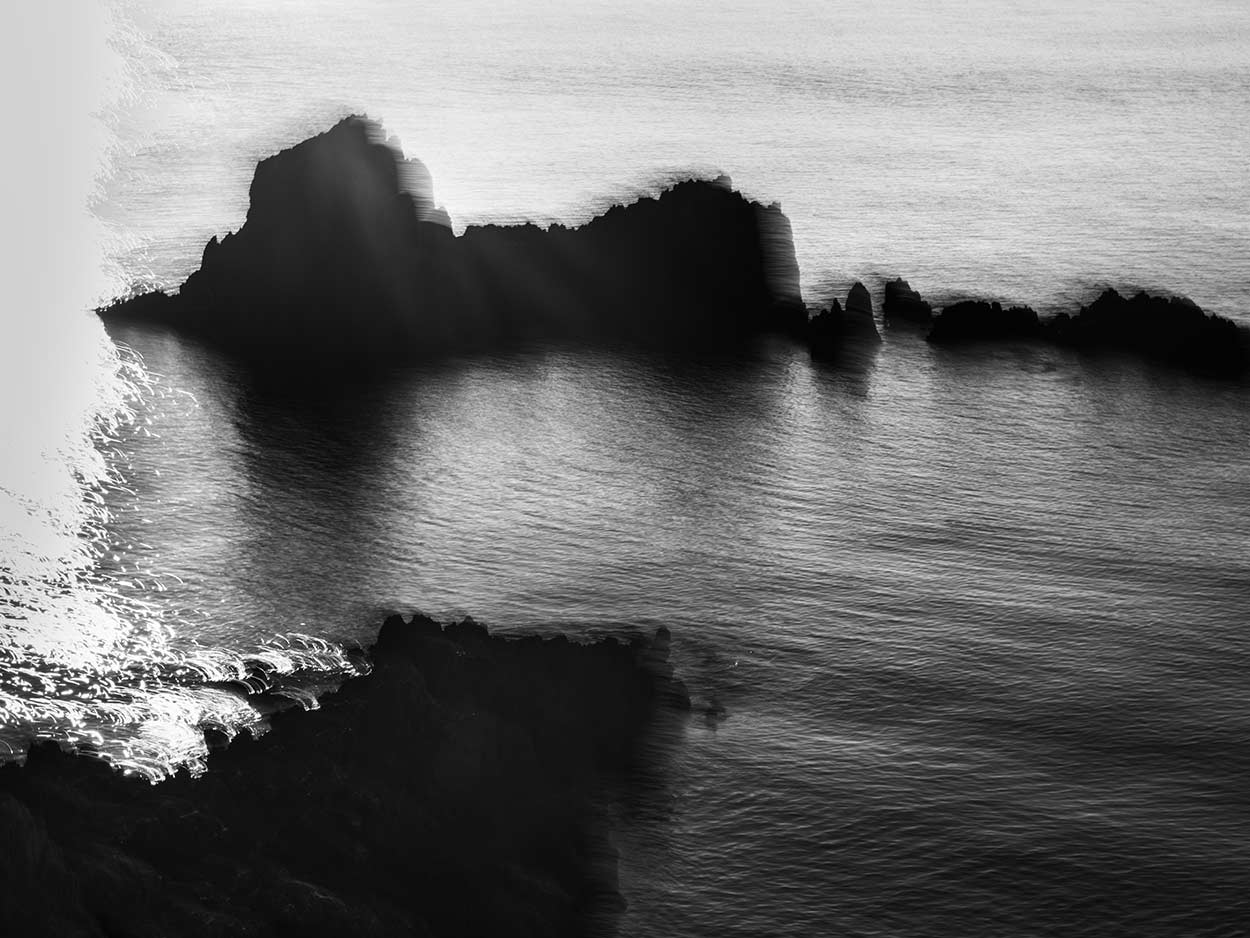
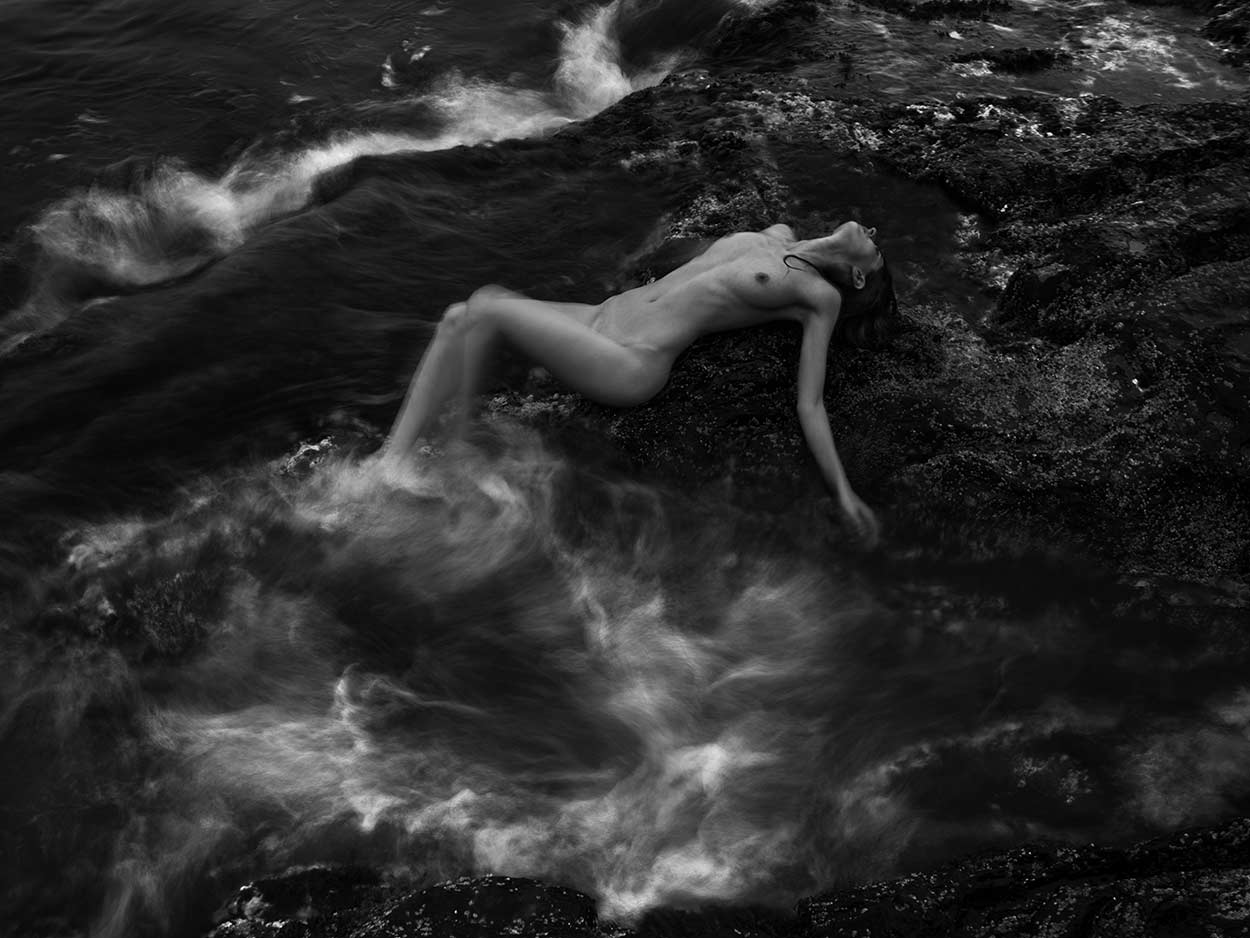
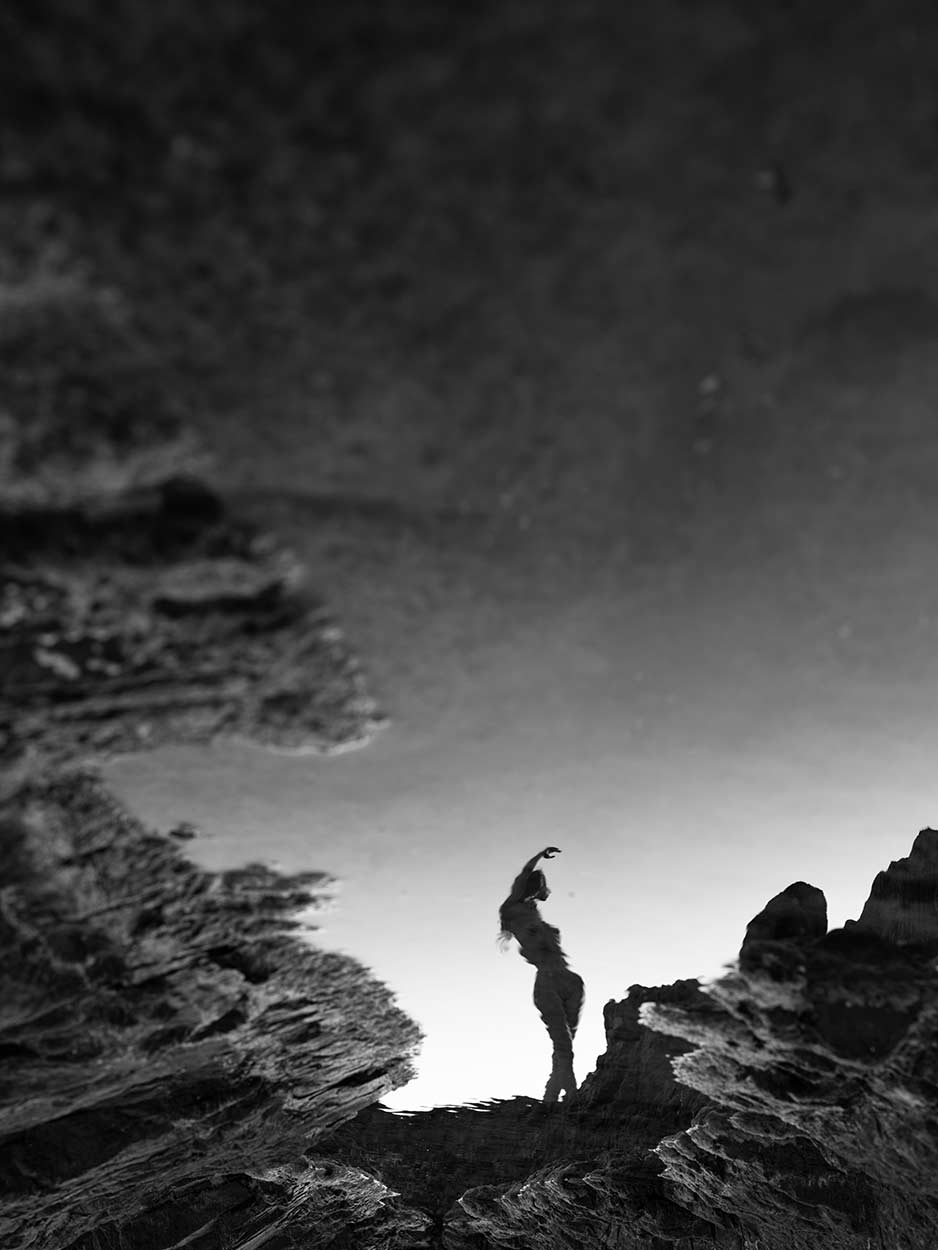
To strengthen the role of this project as something of a time capsule, I’m pairing the images with quotes from Albert Camus’ Noces and L’Été, in which he describes with words the Mediterranean light that I try to capture with my camera. For example, he writes: “In spring, Tipasa is inhabited by the gods, and the gods speak in the sun and the scent of absinthe, the sea clad in silver armor, the pale-blue sky, the flower-covered ruins, and the light seething amidst the piles of rubble. At certain hours, the countryside is black with sun.”
Julien Sunyé ©
All rights reserved.
Julien Sunyé
Julien Sunyé ©
All rights reserved.
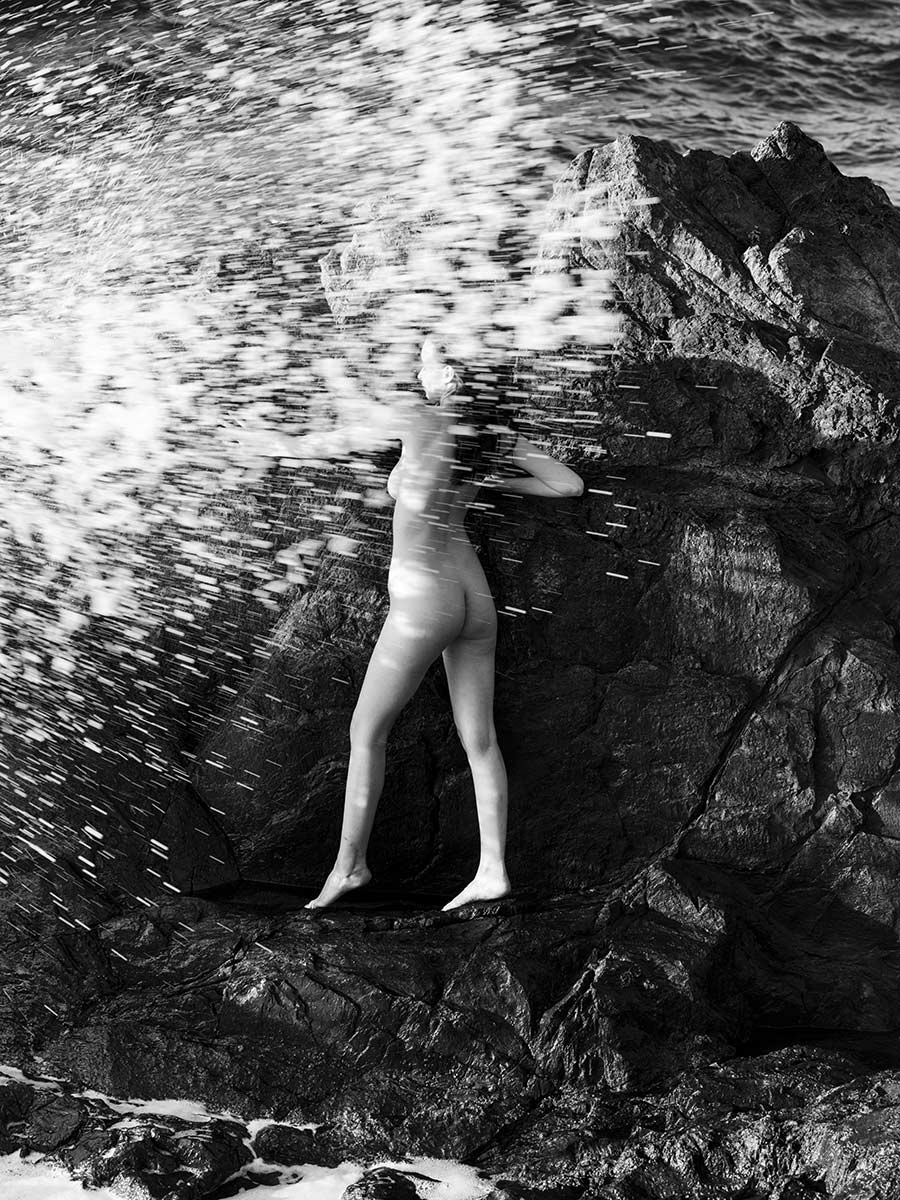
“To preserve the memory of our landscape, I’ve set out to create a body of work that builds on the legacy of photographers like Anne Brigman and Imogen Cunningham. Working mainly with female nudes in landscapes, I bring humanity into the natural scene, reveal scale, and question our relationship with nature and with ourselves.”
Julien Sunyé © All rights reserved.
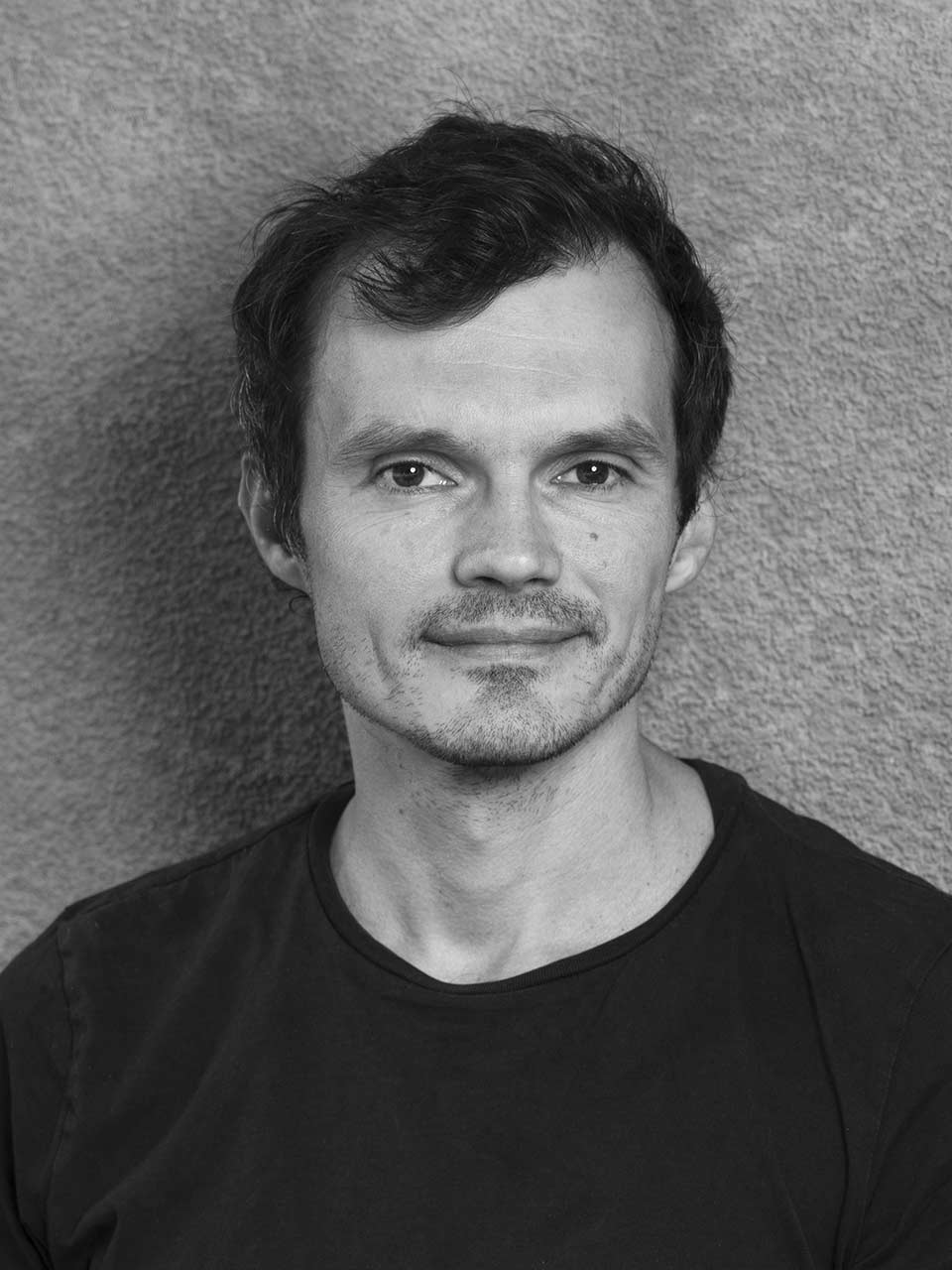
Julien Sunyé (Amsterdam, The Netherlands) is a European fine art photographer working between northern Holland and the Mediterranean coast of southern France, the two landscapes that anchor his work. Influenced by existentialist writers such as Albert Camus and Simone de Beauvoir, and by humanist photographers Henri Cartier-Bresson and Robert Capa, his photographs explore the human condition, resilience, beauty, freedom, and our relationship with nature.
Julien Sunyé © All rights reserved.
His previous project Black Holes (2016–2021), photographed on Europe’s forgotten battlefields, was published by Lecturis (Eindhoven) in 2022. His work has been exhibited, collected, and awarded internationally, including the bronze medal of the Prix du Jury at the 2024 Salon des Beaux-Arts in Paris.
Julien Sunyé © All rights reserved.
“As far back as I can remember, I’ve always been enchanted by the beauty of the natural world, spending hours walking in tall grass, looking for frogs and ducks around the house. Later on in life, I hiked in the mountains.
But I’ve also felt a tension that is best described as the risk of losing this beauty, and for many of us, losing it without ever having looked. Already as a small boy, the smoke coming out of cars worried me. A few decades later, pollution is everywhere, and what we once thought was eternal snow is disappearing before our eyes.
Losing nature and our appreciation for it also means we lose a part of ourselves.
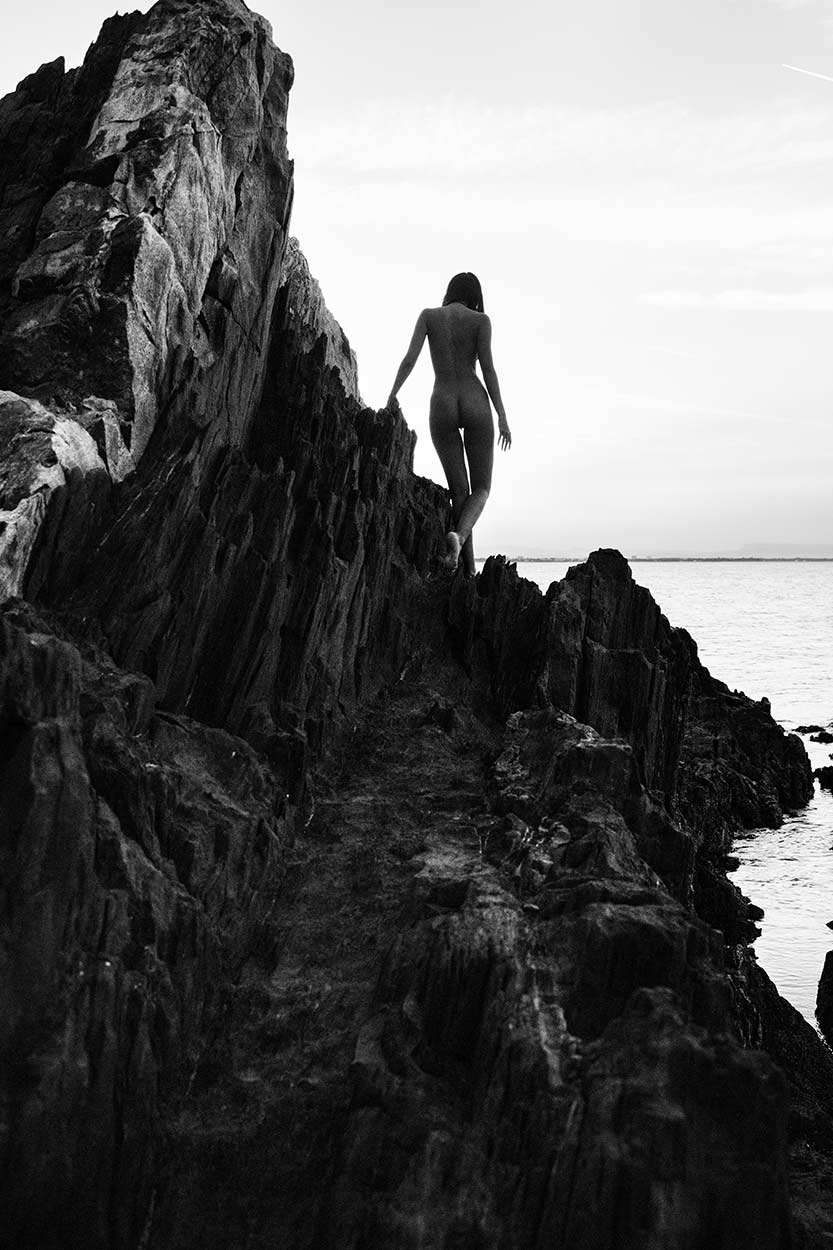
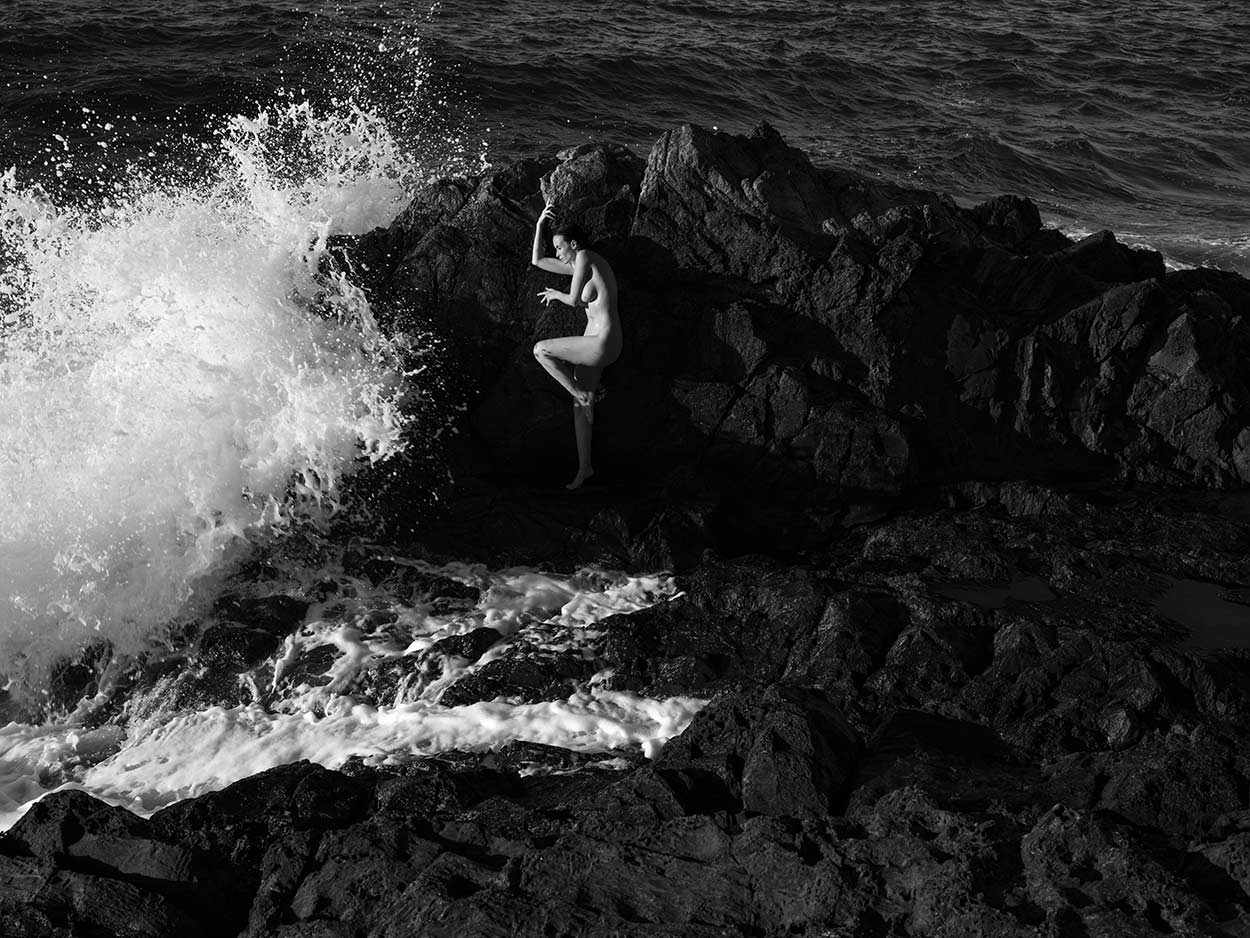
The shifting baseline syndrome shows that what we lose becomes something that never existed. To preserve the memory of our landscape, I’ve set out to create a body of work that builds on the legacy of photographers like Anne Brigman and Imogen Cunningham. Working mainly with female nudes in landscapes, I bring humanity into the natural scene, reveal scale, and question our relationship with nature and with ourselves.
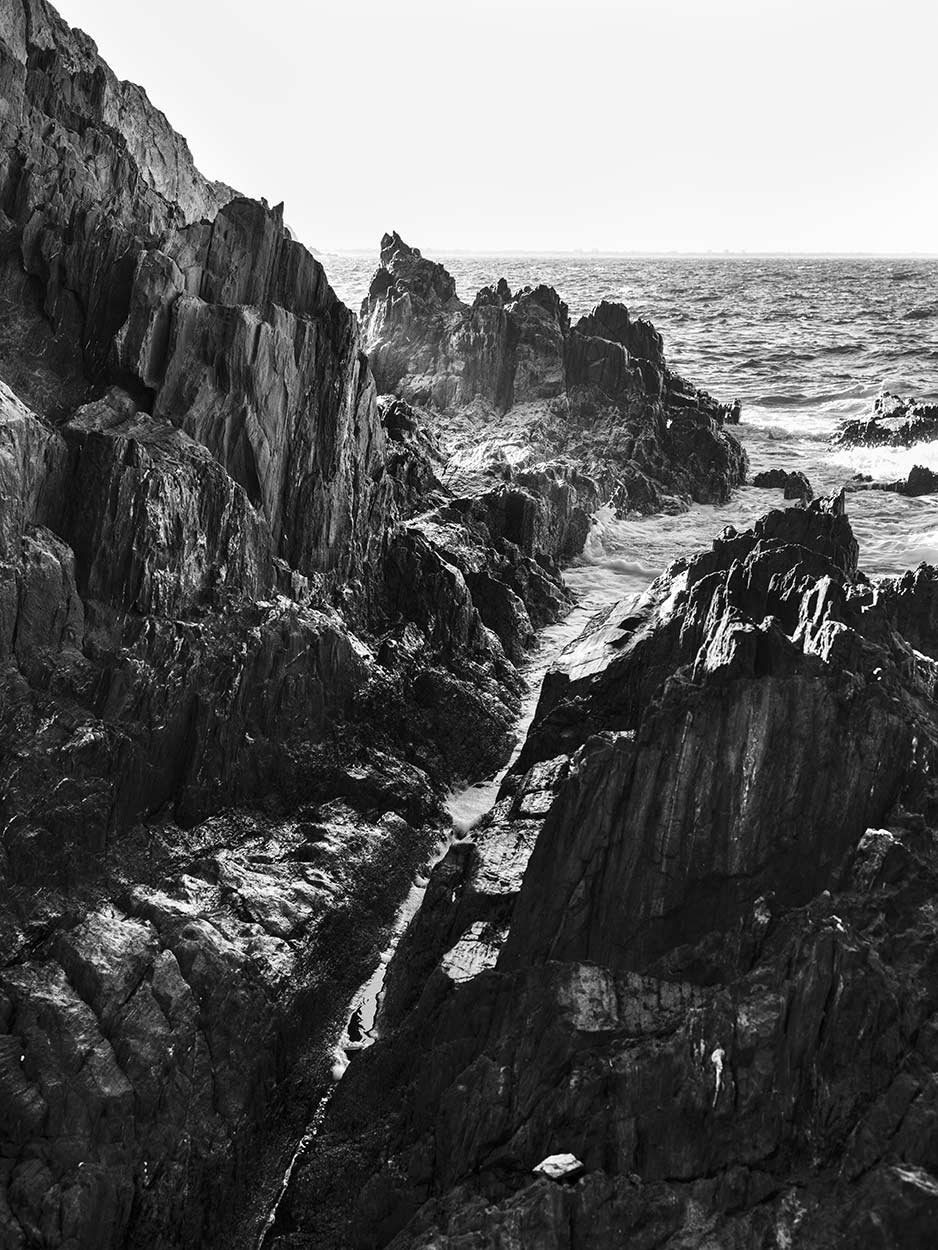
My landscapes include natural ones, as well as those scarred by war and industry.
Julien Sunyé © All rights reserved.
I hope that my work inspires people who see it to slow down and start thinking about their own relationship to nature. When was the last time they felt joy through the visceral experience that a simple walk outside can bring? I also build my oeuvre as a document for future generations, holding images of landscapes that no longer exist and perhaps offering answers about how their generation ended up where it is.”
– Julien Sunyé
Julien Sunyé © All rights reserved.
Email: contact@juliensunye.com | Visit: www.juliensunye.com
Instagram: @juliensunye_photography | Twitter: @sunyejulien