
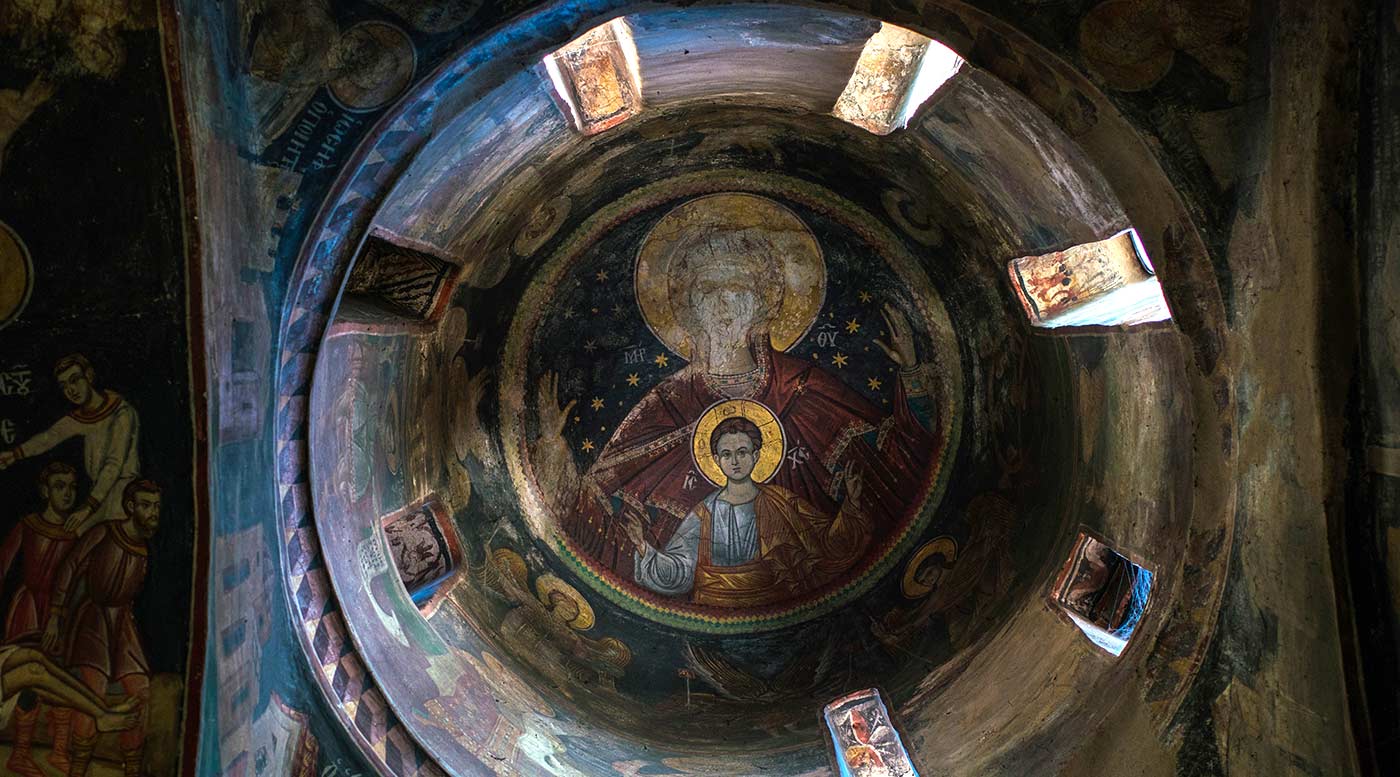
The Path Within
By Haris Kakarouhas
Haris Kakarouhas © All rights reserved.
Haris Kakarouhas © All rights reserved.
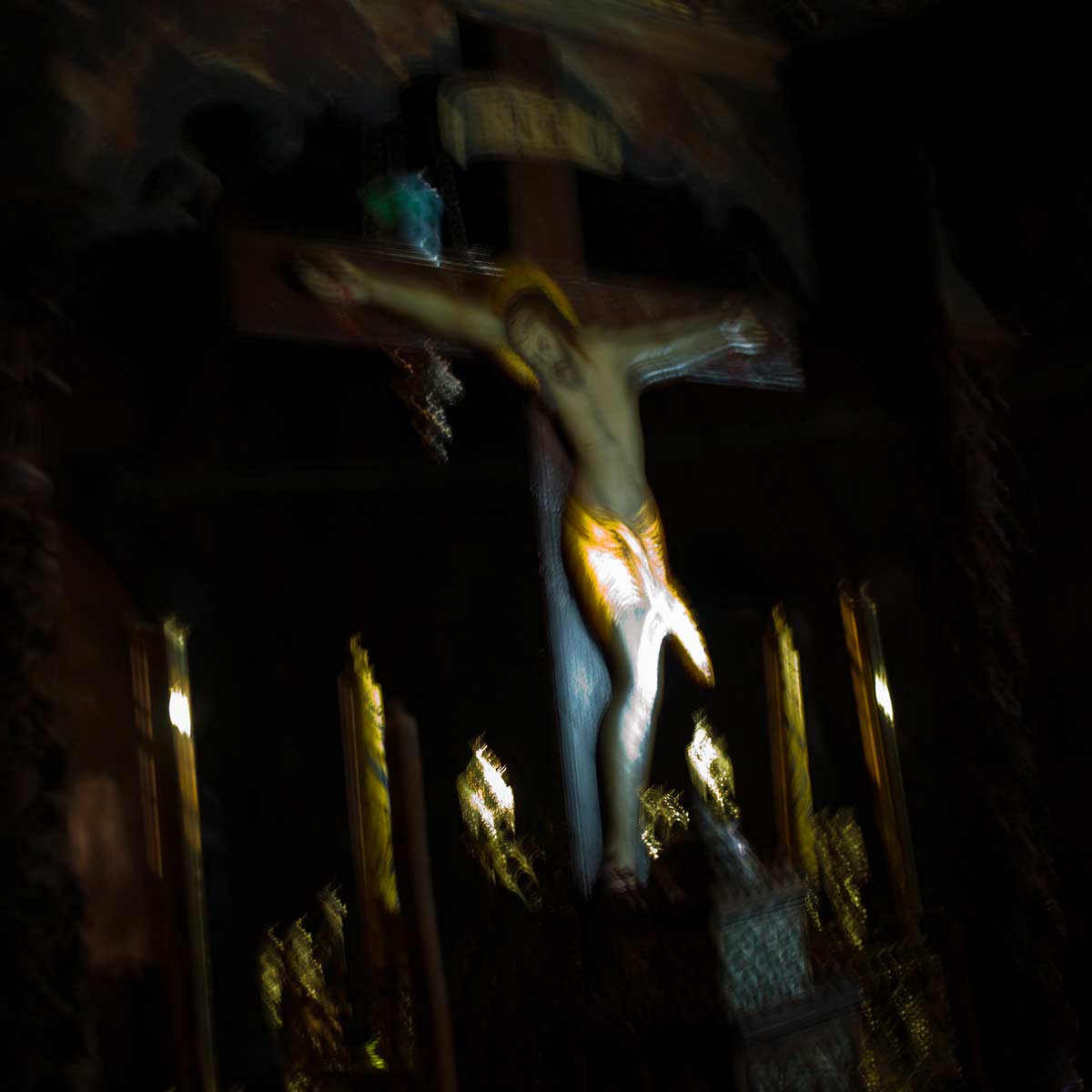
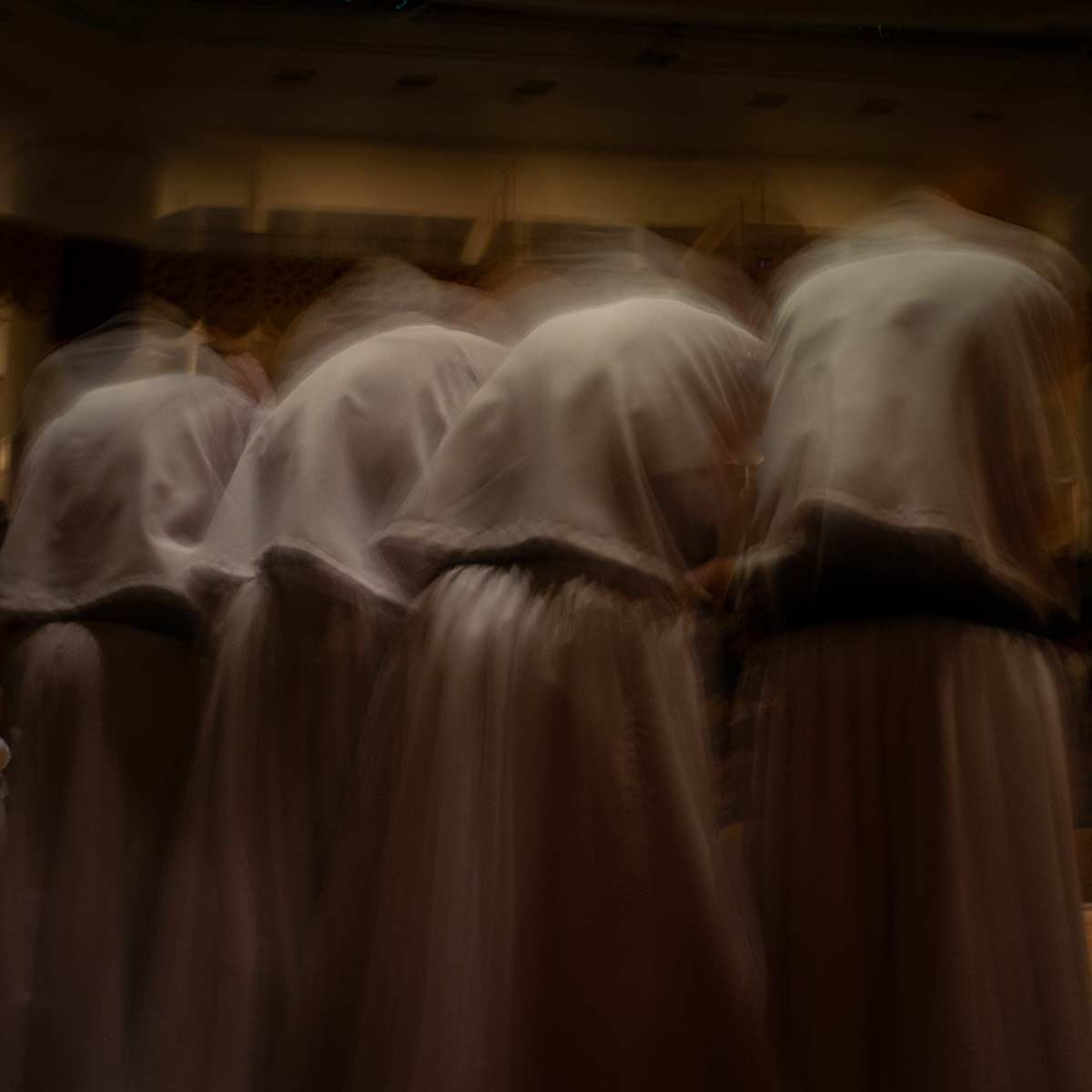
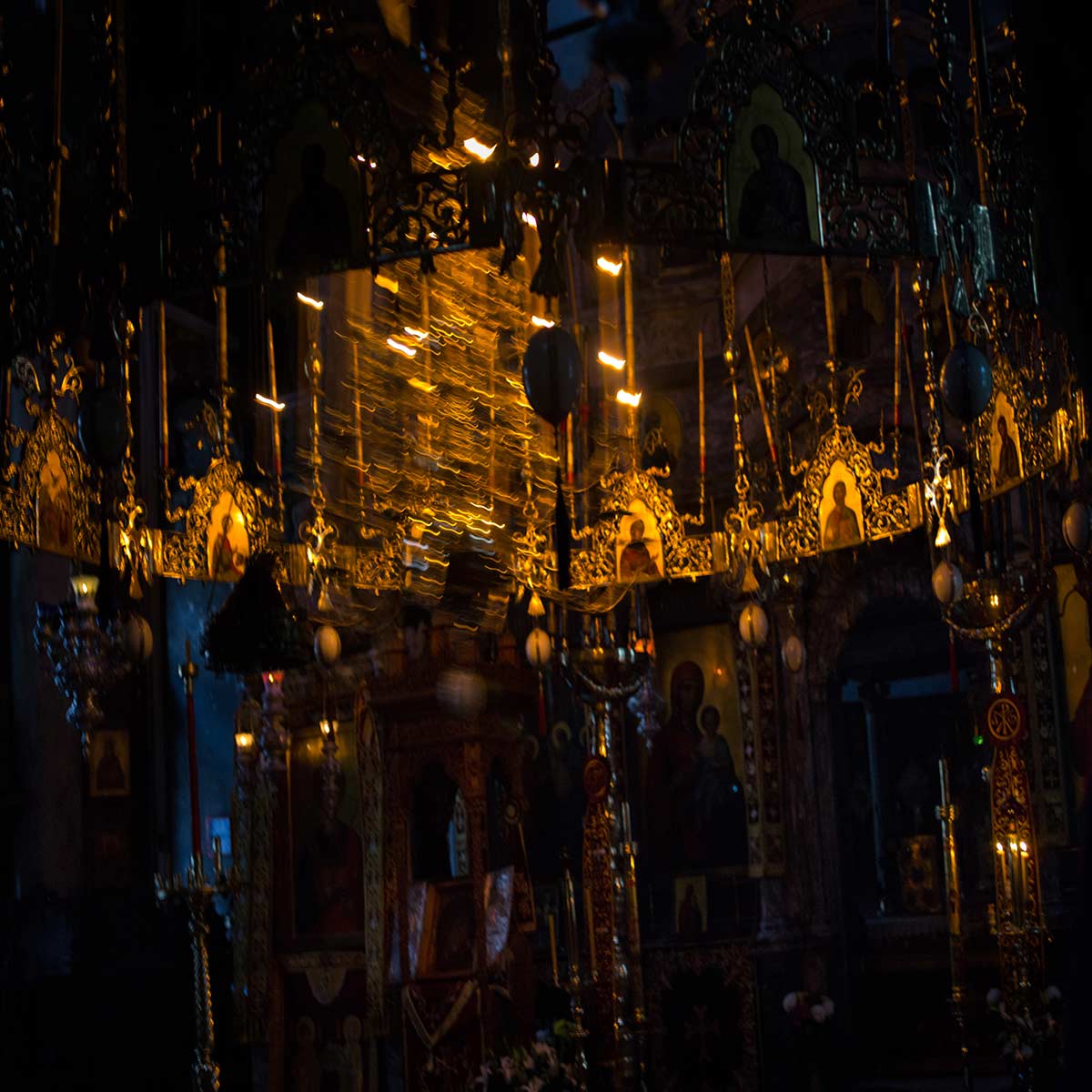
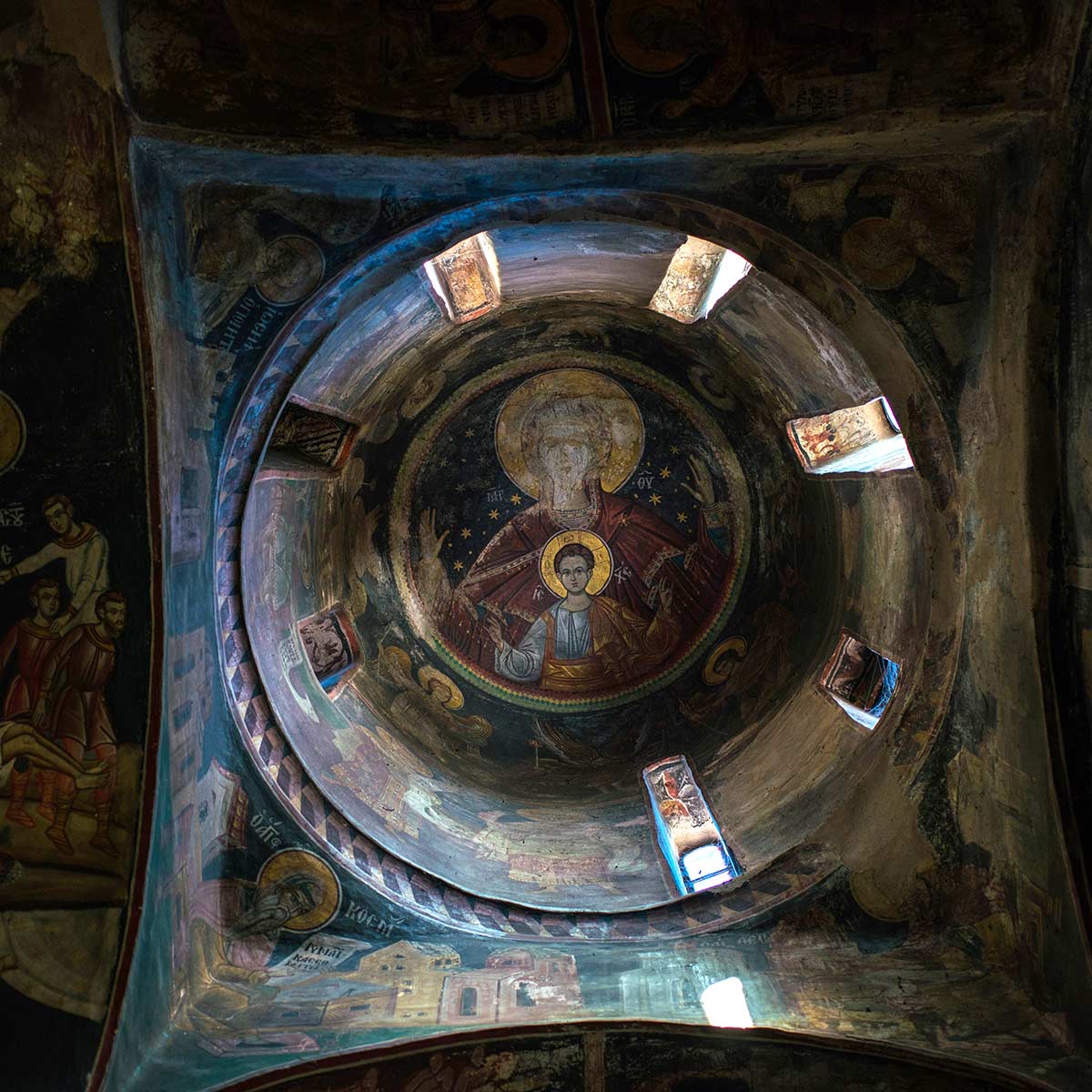
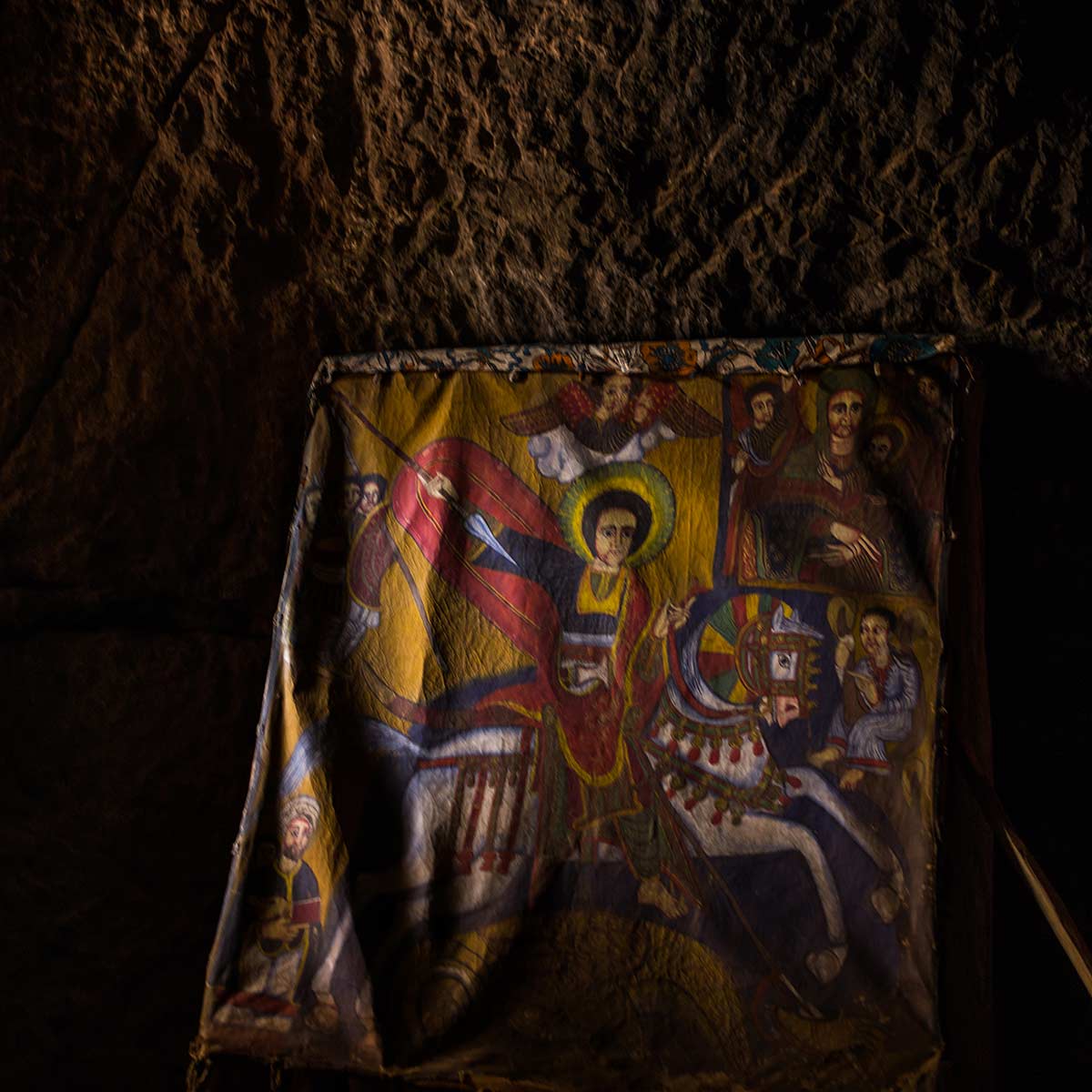
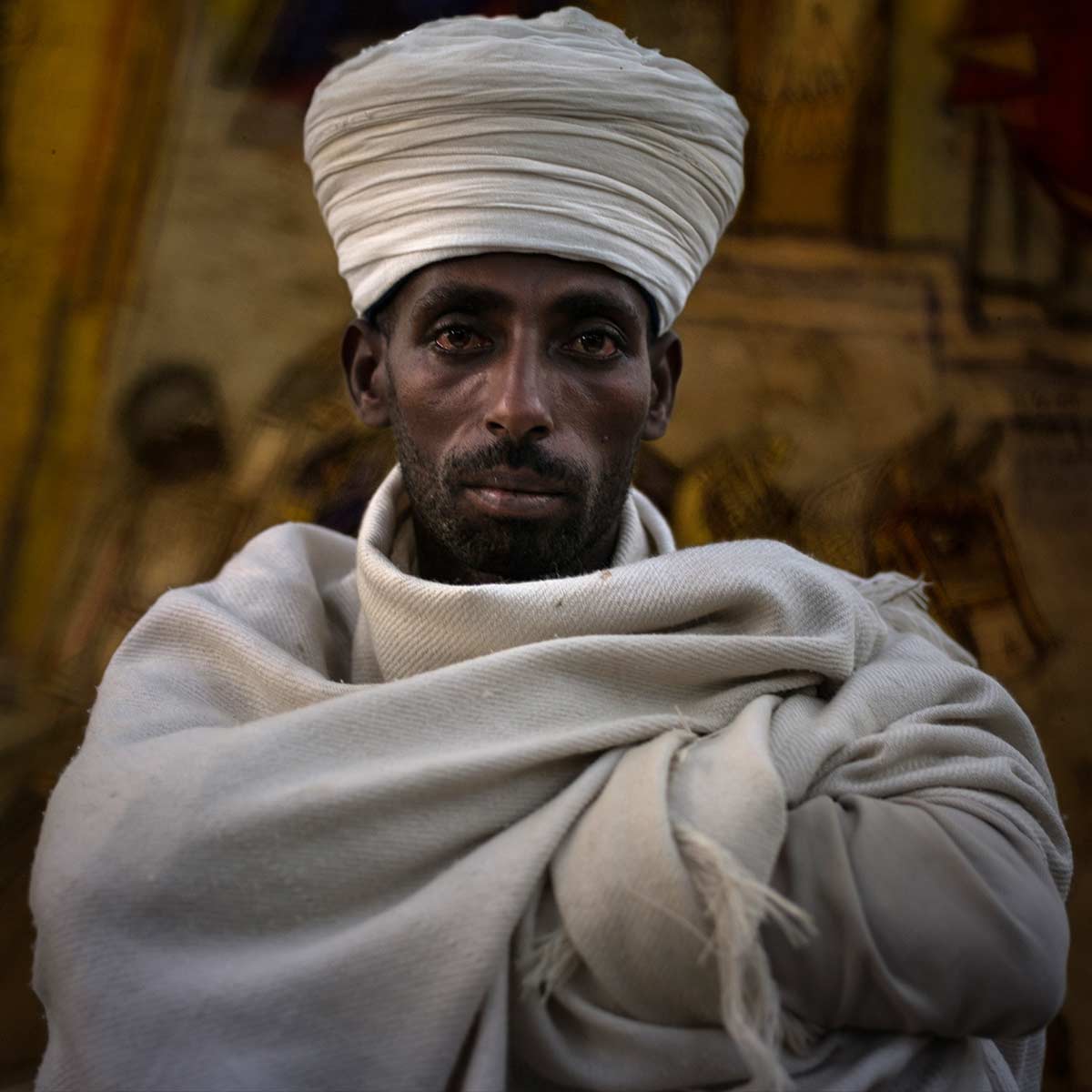
“I travel to different places of prayer and contemplation not as an observer, but first and foremost as a pilgrim. Photography comes afterward — almost as a natural continuation of an inner experience. From the monasteries of Mount Athos and the churches of Lalibela to the Buddhist monasteries of Tibet and the Sufi ceremonies of Turkey, I search for that subtle moment when form begins to recede, and something deeper reveals itself within silence.
Haris Kakarouhas © All rights reserved.
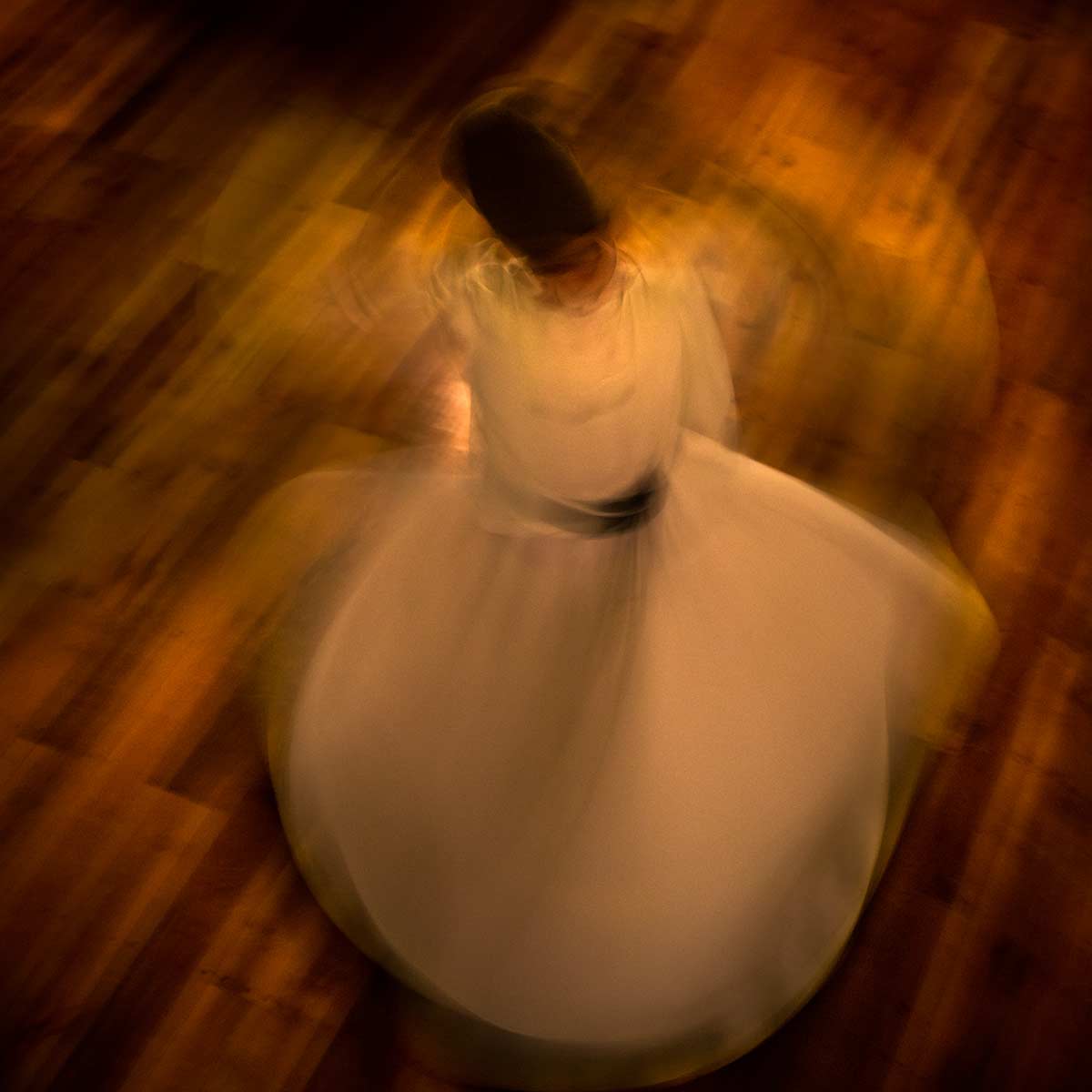
I am not interested in documenting religion as an external phenomenon or describing different doctrines. What moves me is the shared human longing for transcendence; the desire to approach the Ineffable, to stand for a moment before something greater than oneself. Within the chant of a monk, the turning of a dervish, or the still gaze of a saint, I recognize the same inner vibration — a silent longing to return to the essence.
Haris Kakarouhas © All rights reserved.
For me, this path is not geographical but inward. Each place becomes a mirror of a common human search; a movement from the visible toward the invisible, from the ego toward a deeper inner truth. These images are traces of that journey — moments in which I feel that, even if only briefly, all paths meet at the same timeless center.”
- Haris Kakarouhas
Haris Kakarouhas © All rights reserved.
The Image as Integral Presence
Haris Kakarouhas ©
All rights reserved.
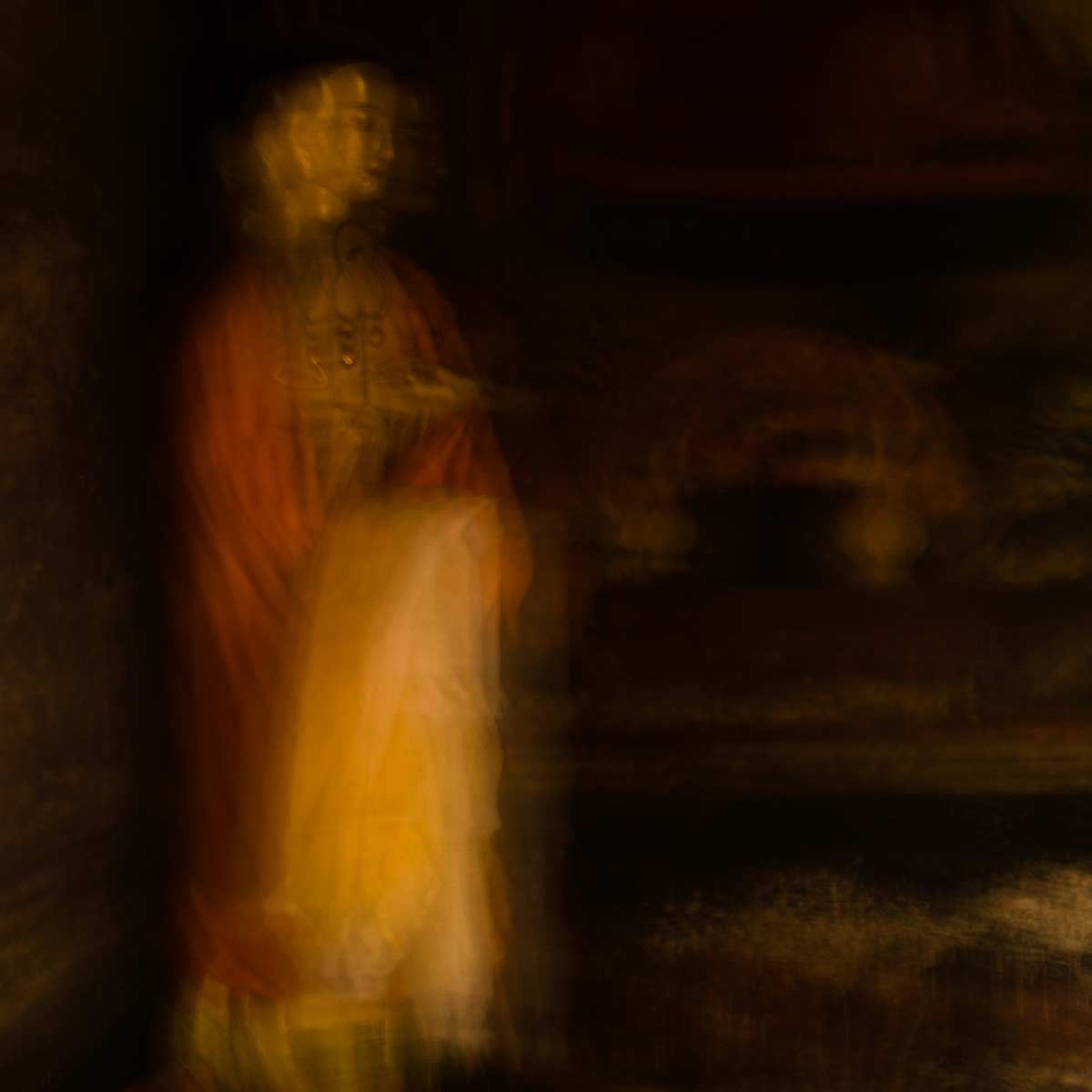
As we move further into the 21st century, we find ourselves submerged in an ocean of images — mass-produced, rapidly consumed, and often devoid of depth. Amid this visual overload, much of what is labeled “art” becomes mere reflection rather than presence. Images are no longer seen; they are analyzed, categorized, and explained. Feeling gives way to intellect. The eye no longer looks — it decodes.
Today’s viewer often approaches the image not with silence or openness, but with commentary, critique, or the need to rationalize. Artworks are filtered through concepts, ideologies, or stylistic categories. As a result, most contemporary images serve purposes external to themselves — they illustrate ideas, represent aesthetics, or engage in political discourse.
In many cases, they are built upon models of assimilation, as Baudrillard suggested — representations of representations in a world where objects have seemingly vanished.
But these models, being products of the analytical mind, remain detached from lived reality. The images they produce are sterile echoes, speaking more to theory than to soul.
Haris Kakarouhas ©
All rights reserved.
In response to this condition, my artistic stance seeks to restore the image to its integral presence — to rediscover the image as a whole, self-contained entity capable of truly moving its viewer.
Seeing from within before I look without.
Realizing that none of my images can reach further than the truth I’m willing to uncover within.
Seeking not perfection, but presence.
Creating not to express the ego, but to dissolve it.
Using the camera or any tool as a tool of revelation, not control.
Honoring silence, ambiguity, and depth.
Cultivating a space where art can be sacred again.
My perspective is rooted in a deeper and more ambitious vision of what it means to be human — a vision that resists fragmentation and calls us back to presence, meaning, and the sacred gaze.”
- Haris Kakarouhas
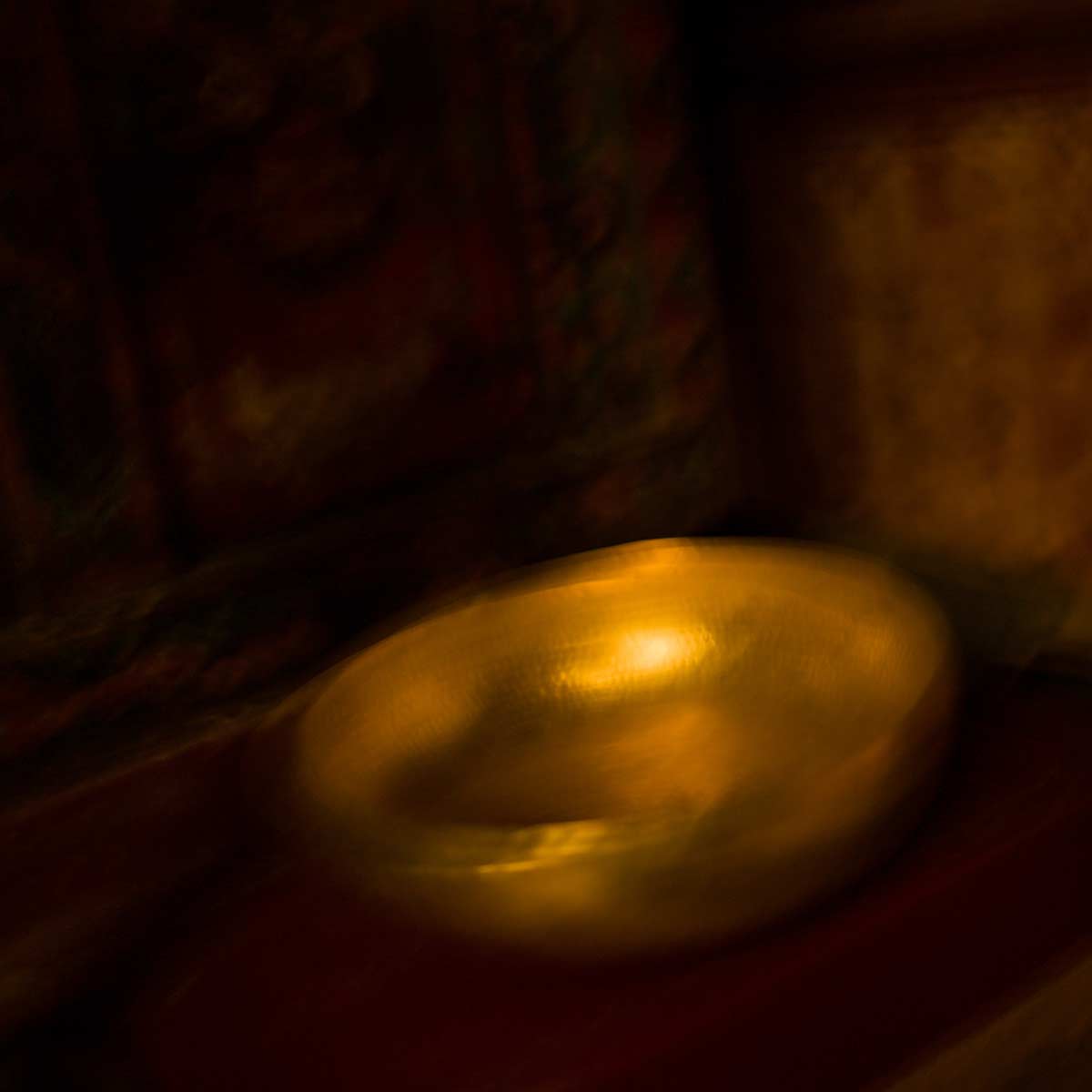
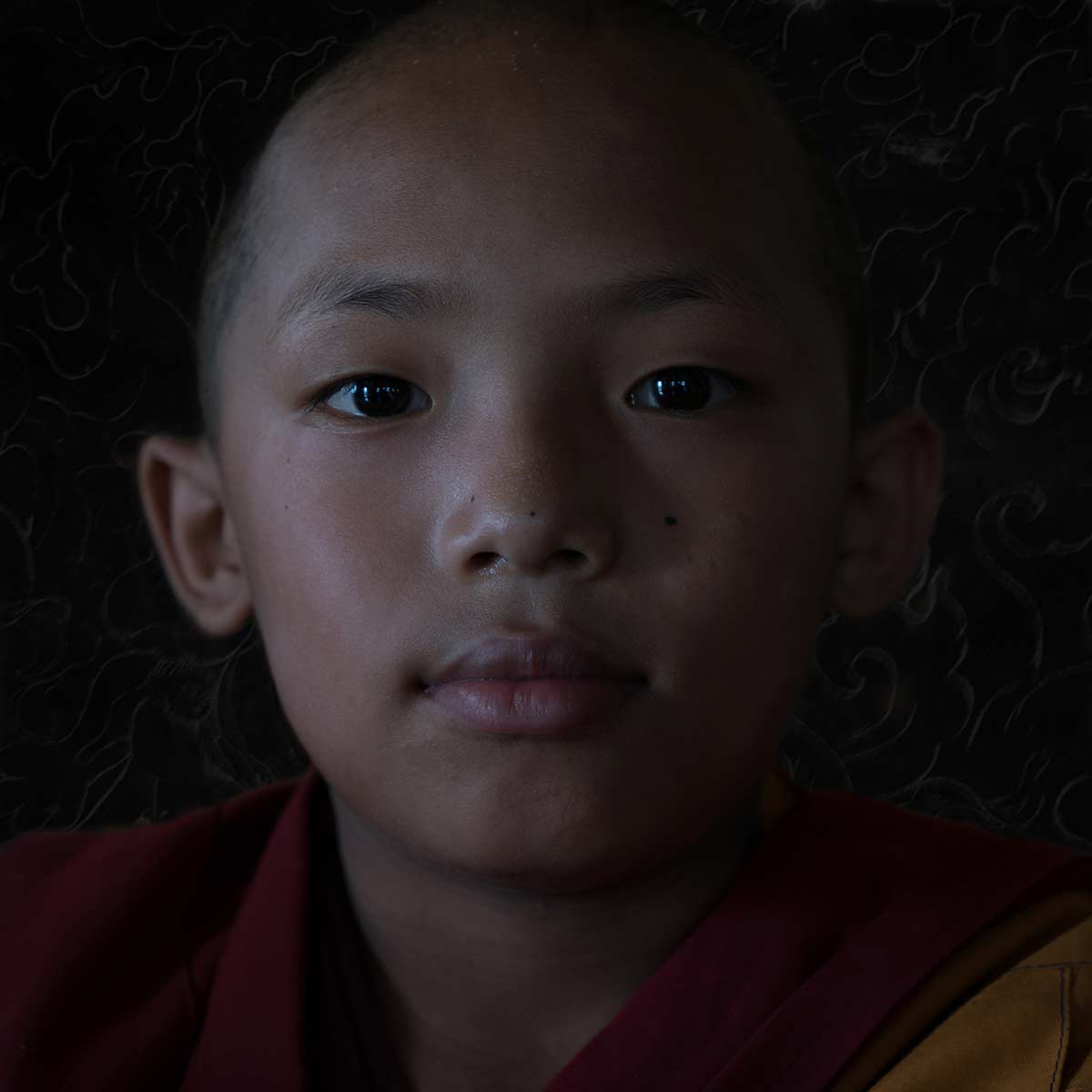
Haris Kakarouhas © All rights reserved.
Right: Kopan Monastery, Kathmandu, Nepal. 2016
Haris Kakarouhas © All rights reserved.
“Artworks are filtered through concepts, ideologies, or stylistic categories. As a result, most contemporary images serve purposes external to themselves — they illustrate ideas, represent aesthetics, or engage in political discourse. In many cases, they are built upon models of assimilation, as Baudrillard suggested — representations of representations in a world where objects have seemingly vanished.”
- Haris Kakarouhas
Haris Kakarouhas
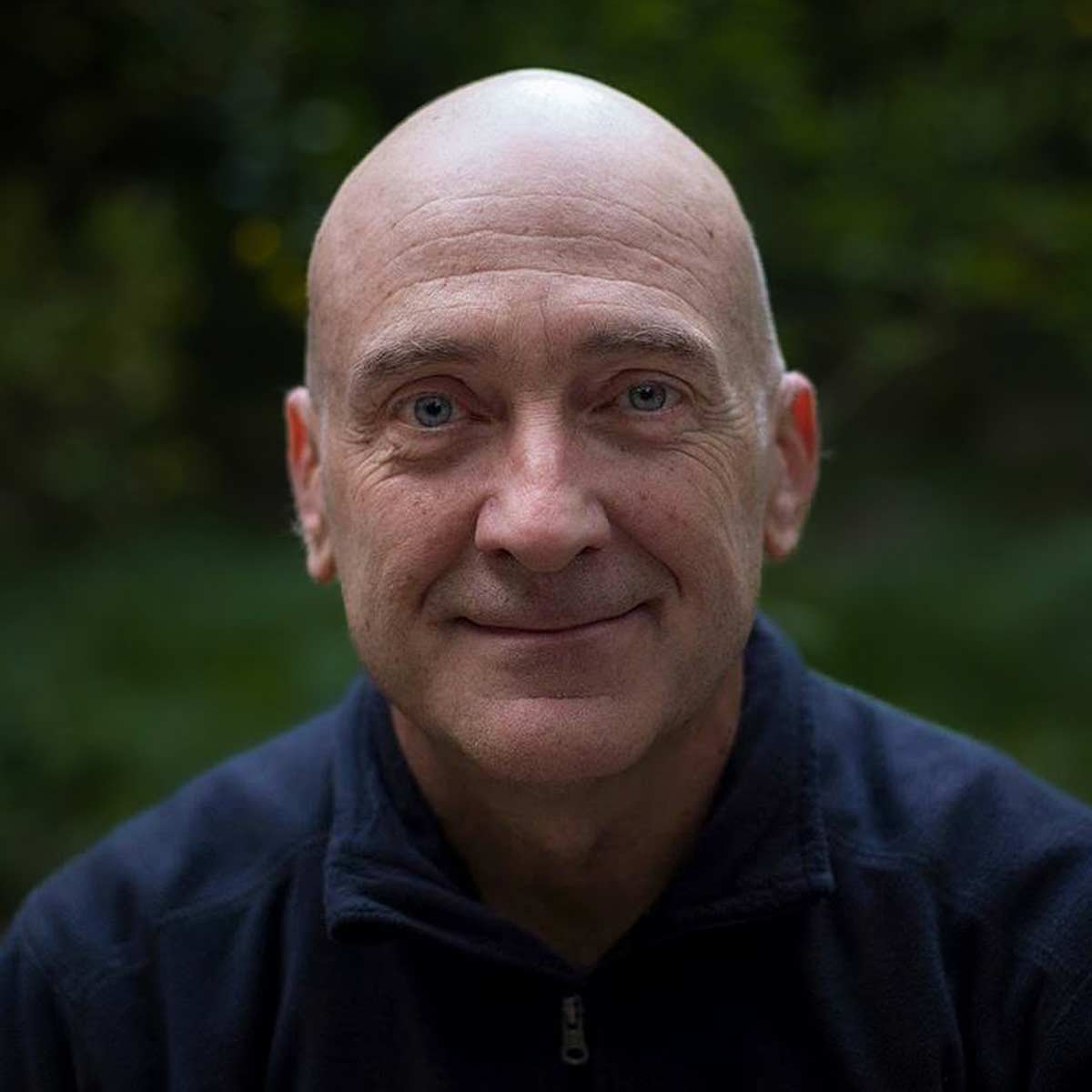
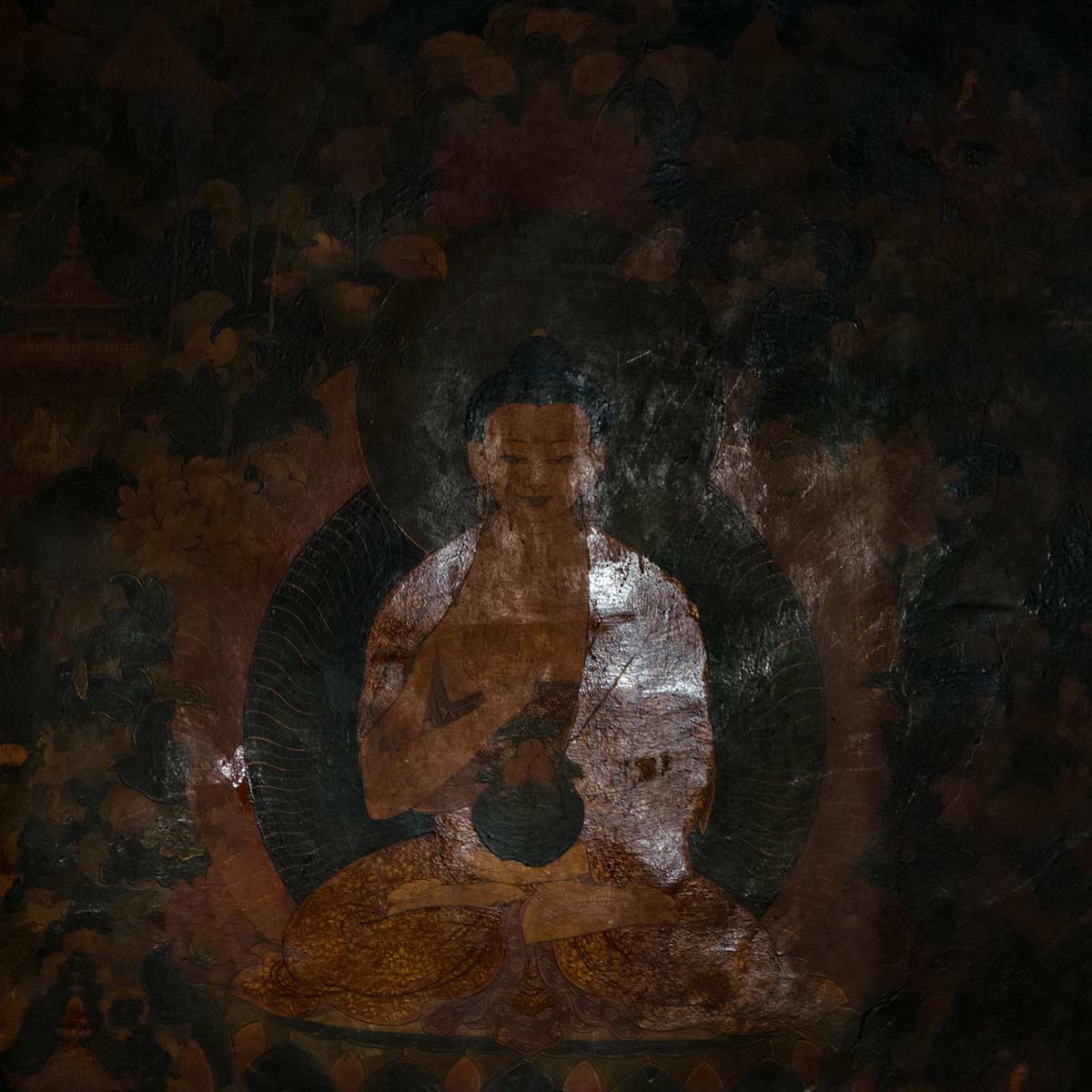
Right: Sera Monastery, Tibet. 2015
Haris Kakarouhas © All rights reserved.
Haris Kakarouhas studied Cartography at the Aristotle University of Thessaloniki, Visual Perception and Color Theory at the University of Glasgow (M.Sc), and Photography at the University of Derby (Ph.D. 2008) (thesis title: “Portraiture: Imaging the Self”). He also studied various art therapy methods and other contemporary psychotherapy practices. His photographic work has been published in various magazines in Greece and abroad. He has published three photography books: “On the Paths of Time” (Fotohoros Editions, 1994), “Suspended Time: A Portrait of Cuba” (2004), which has been published in six European countries and won the European Publishers Award, and the “Milos” award for Art Book of the Year in Greece, and “Natural Presence” (Luminous Eye Editions, 2019).
Kakarouhas was also a runner-up for the Schweppes Photographic Portrait Prize (London National Portrait Gallery). He served as the artistic director of the first Eco-Art Festival in Athens, organized by the Ministry of Environment and the National Museum of Contemporary Art (2013).
Haris Kakarouhas © All rights reserved.
Kakarouhas has curated group and solo exhibitions in Athens art galleries and has held numerous solo and group photography exhibitions worldwide. Artistic director and co-owner of the gallery “Luminous Eye” – Athens (2018-2025). He conducts experiential photography workshops under the general title “Conscious Photography”.
His photographic work is held in museums and private collections, and his work has been published in international publications worldwide.
Website: hariskakarouhas.com | Instagram: @haris_kakarouhas
Facebook: Haris Kakarouhas