
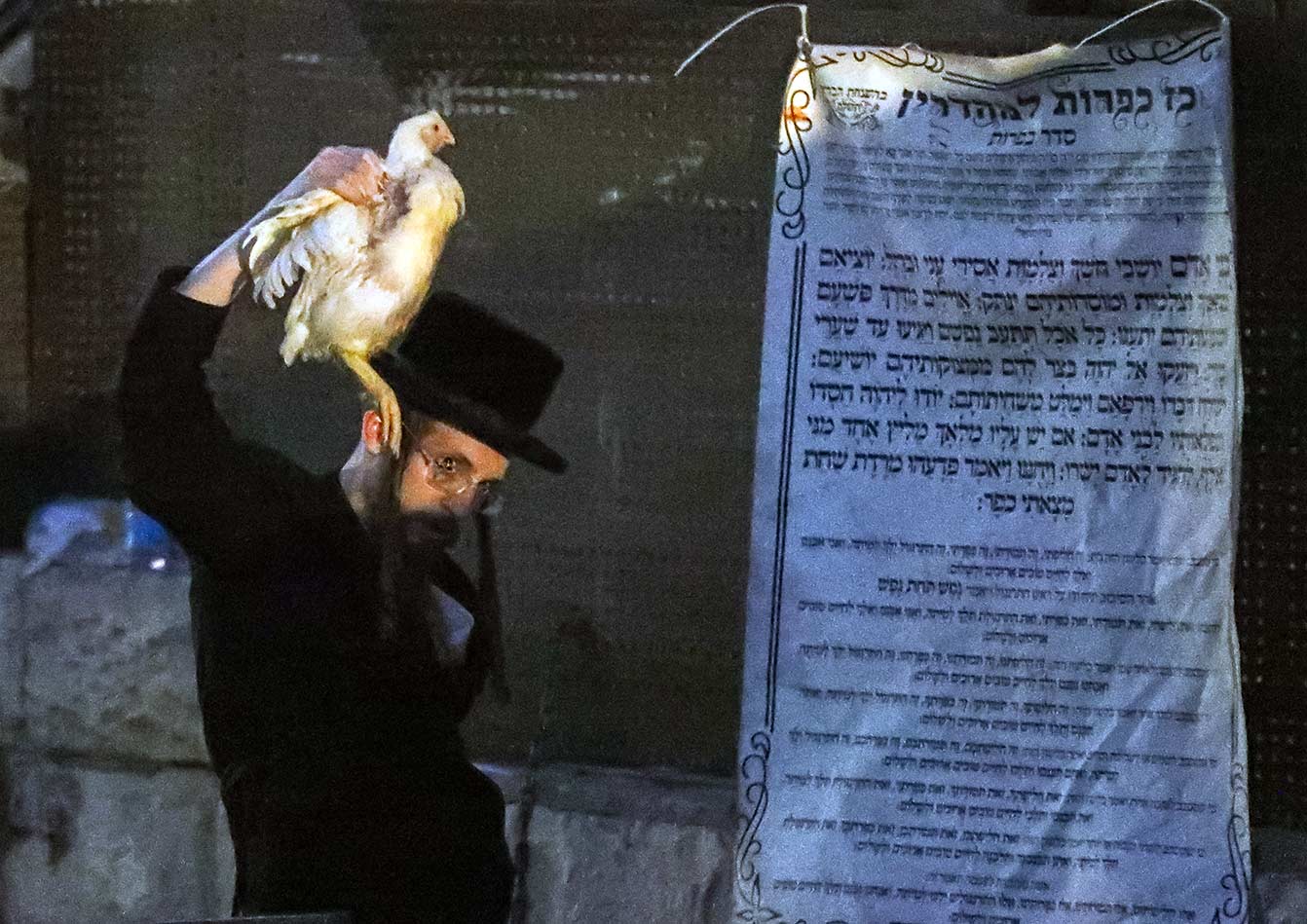
The Kapparot Atonement Ritual
By Yoram Biberman
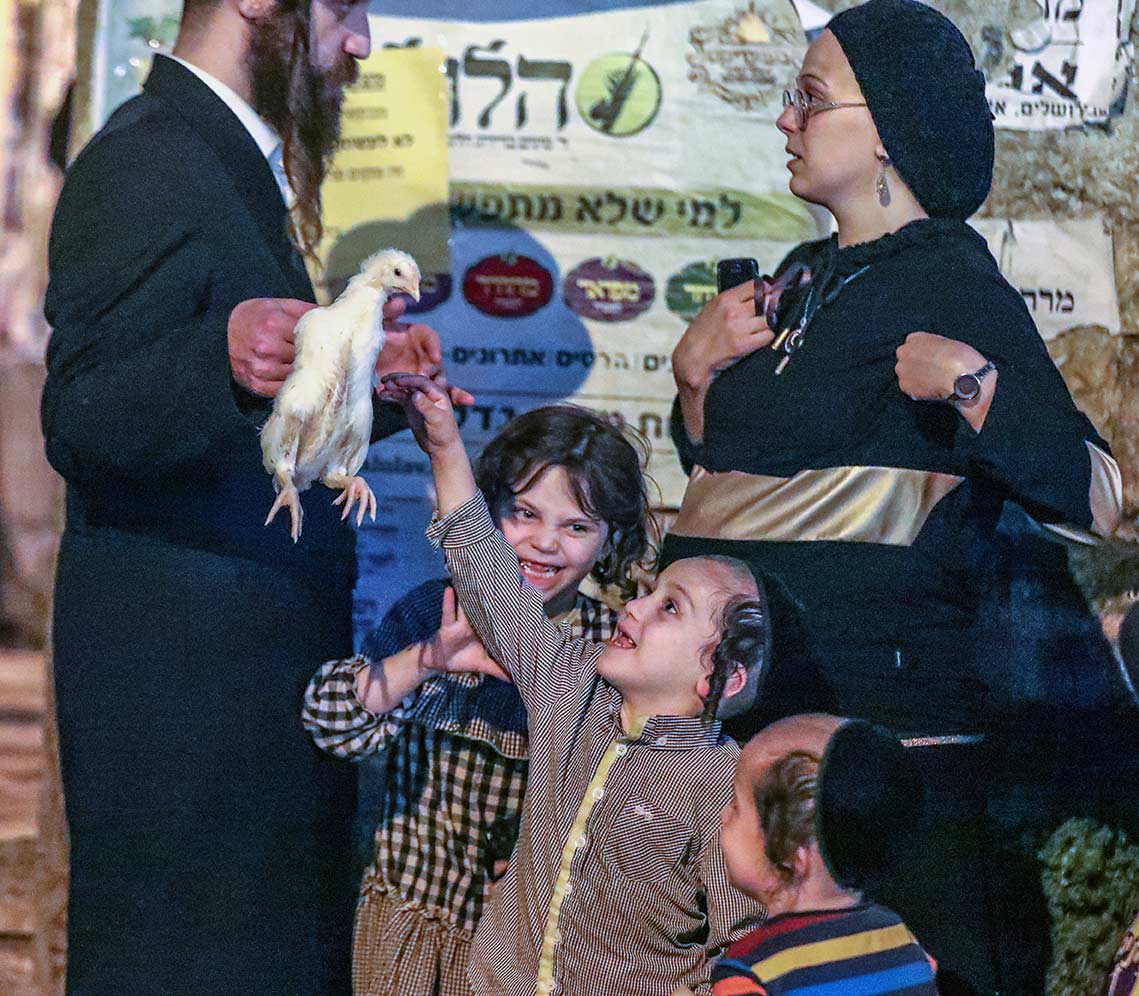
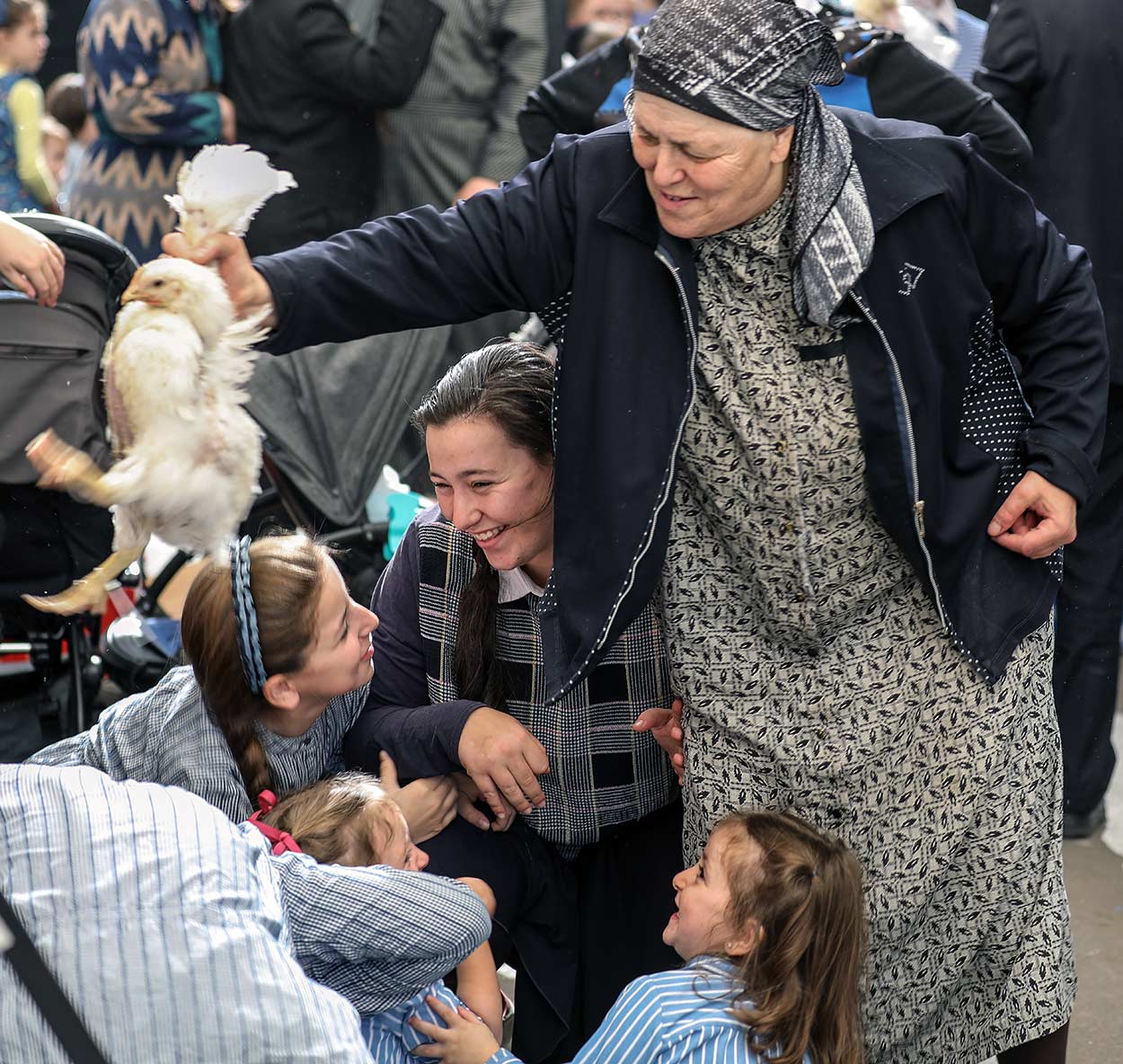
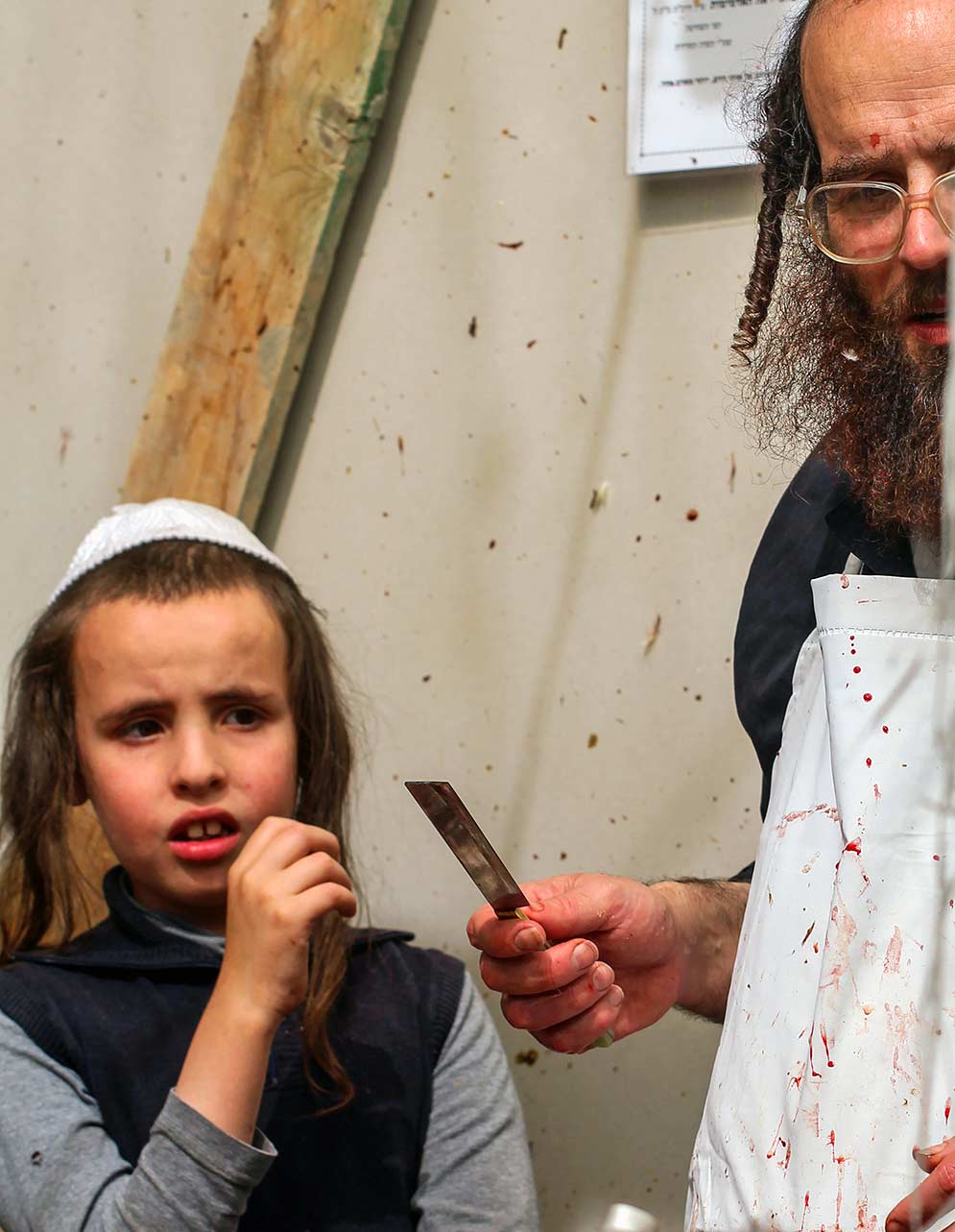
Each of the three children reacts differently to the situation.
Yoram Biberman © All rights reserved.
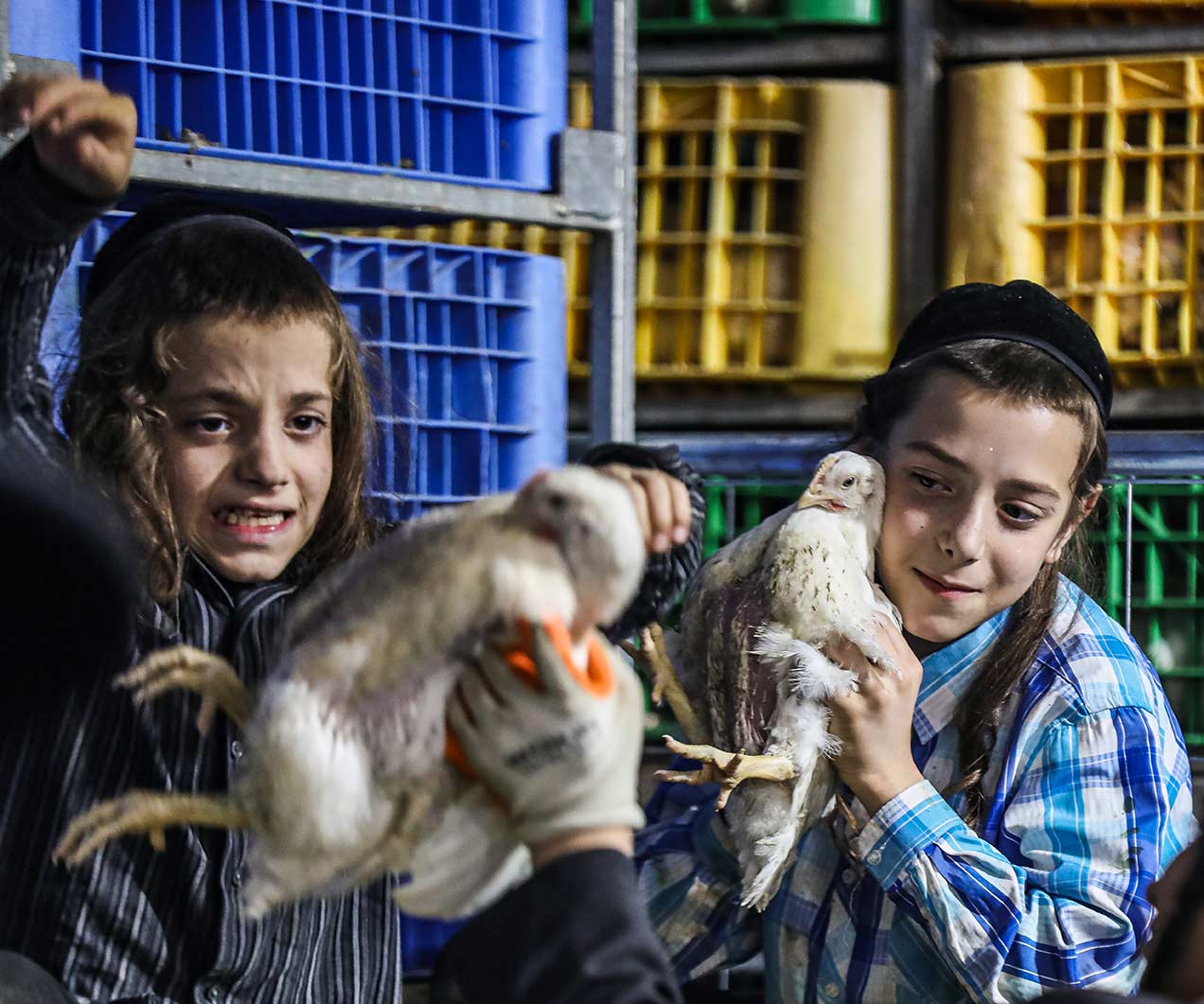
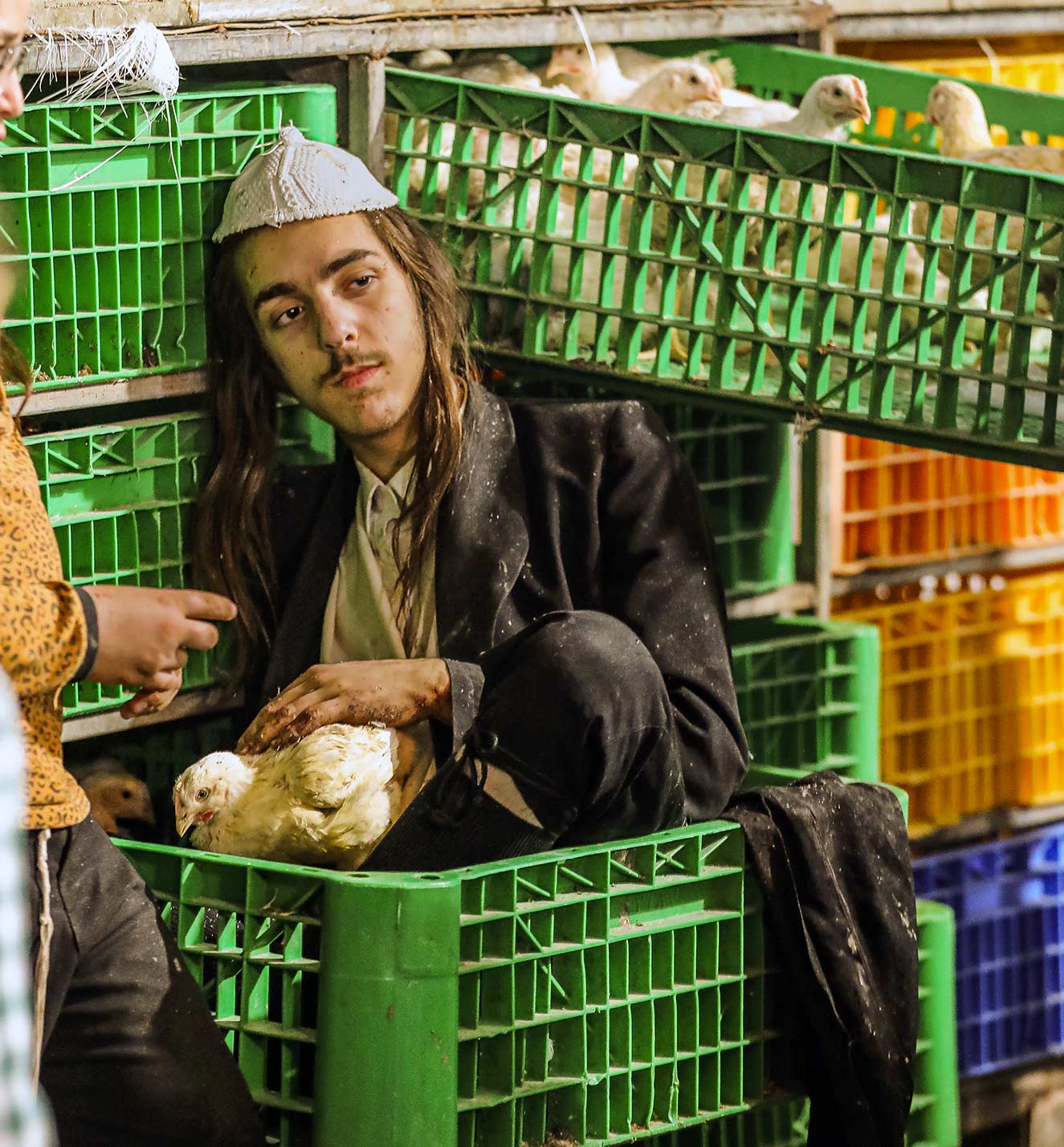
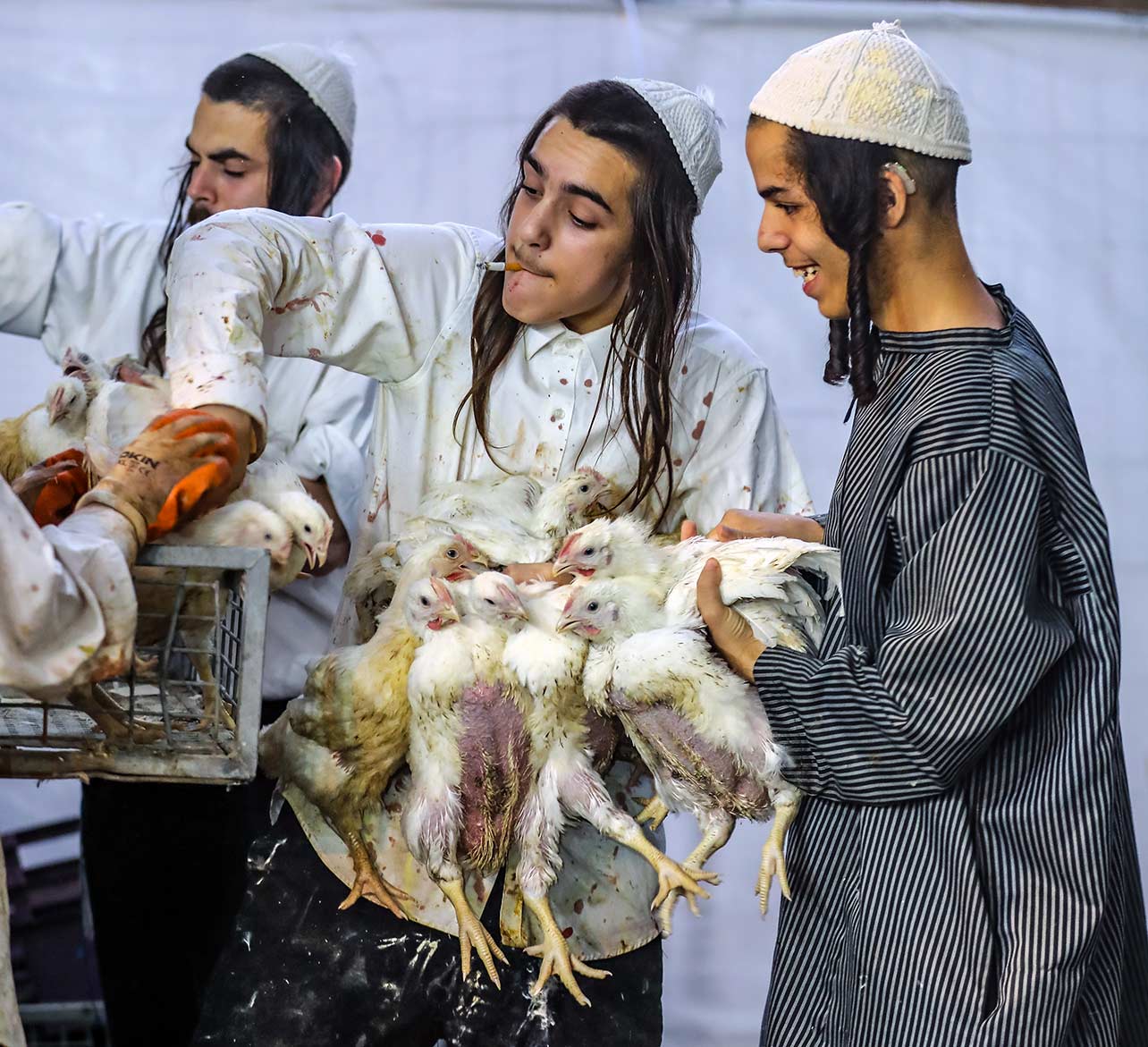
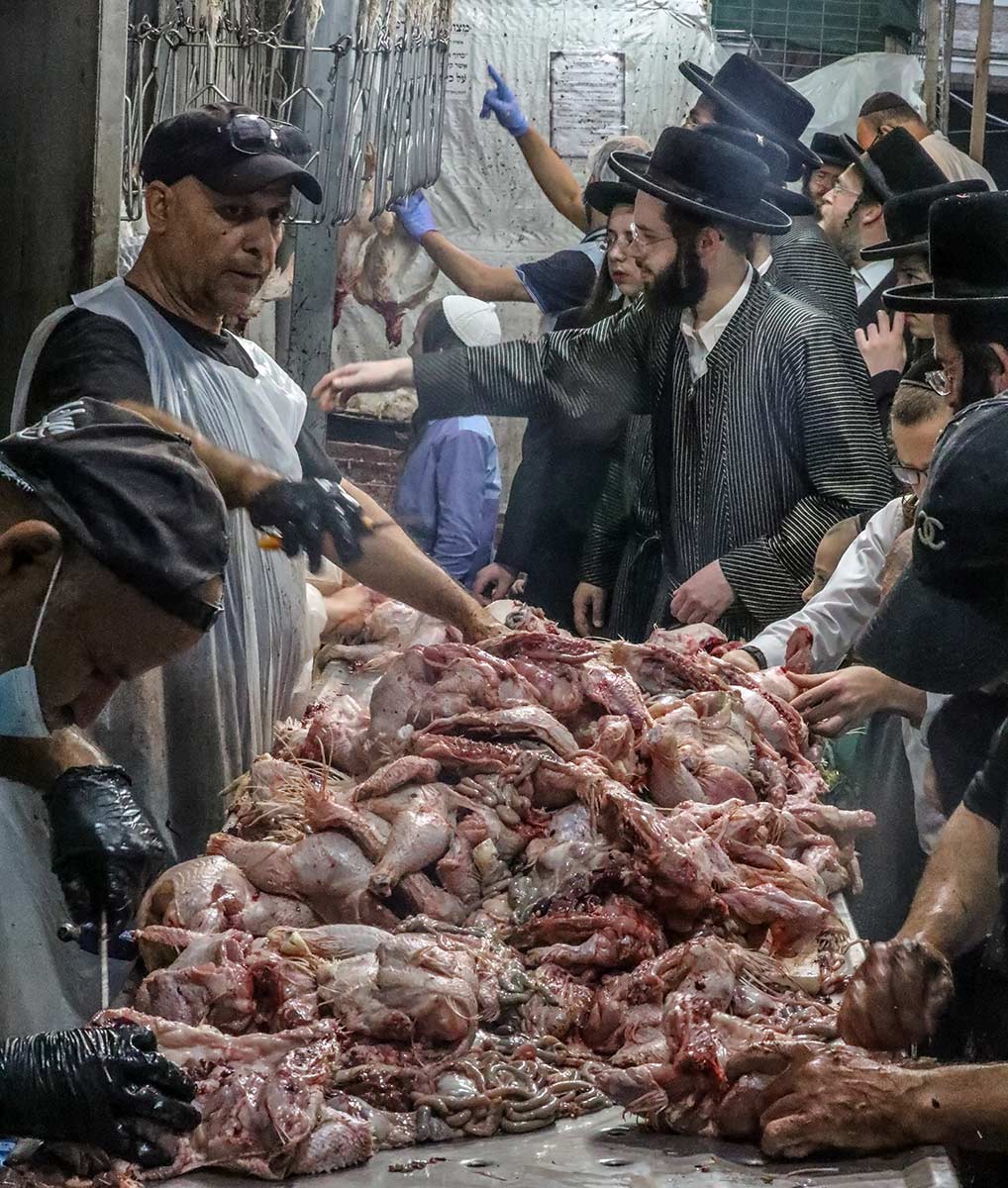
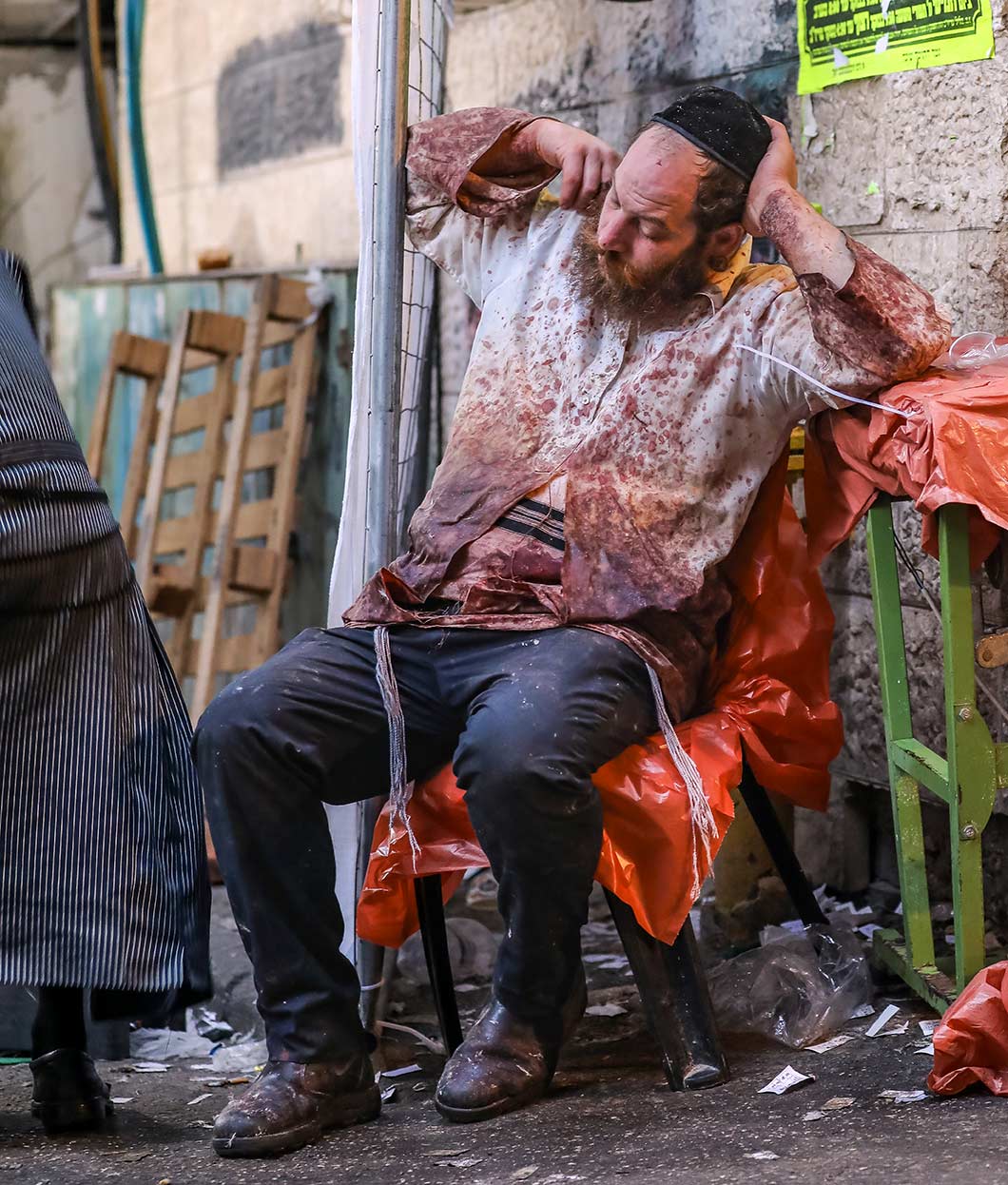
Kapparot is an atonement ritual practiced by some Jews on the eve of Yom Kippur, the Day of Atonement. During the ceremony, a chicken is waved over a person’s head while prayers are recited. Symbolically, the chicken is said to “take on” the person’s sins. The chicken is then slaughtered.
Yoram Biberman © All rights reserved.
The ritual is controversial. Critics argue that it is inhumane and causes unnecessary suffering to the animals involved. I understand this criticism, but I also find some hypocrisy in it. Since the chicken’s fate is to be slaughtered for human consumption, the fact that it is also used in a religious ritual beforehand seems to me of secondary importance. The ethical question, in that case, concerns the treatment and killing of animals in general rather than the ritual context in which it occurs.
Yoram Biberman © All rights reserved.
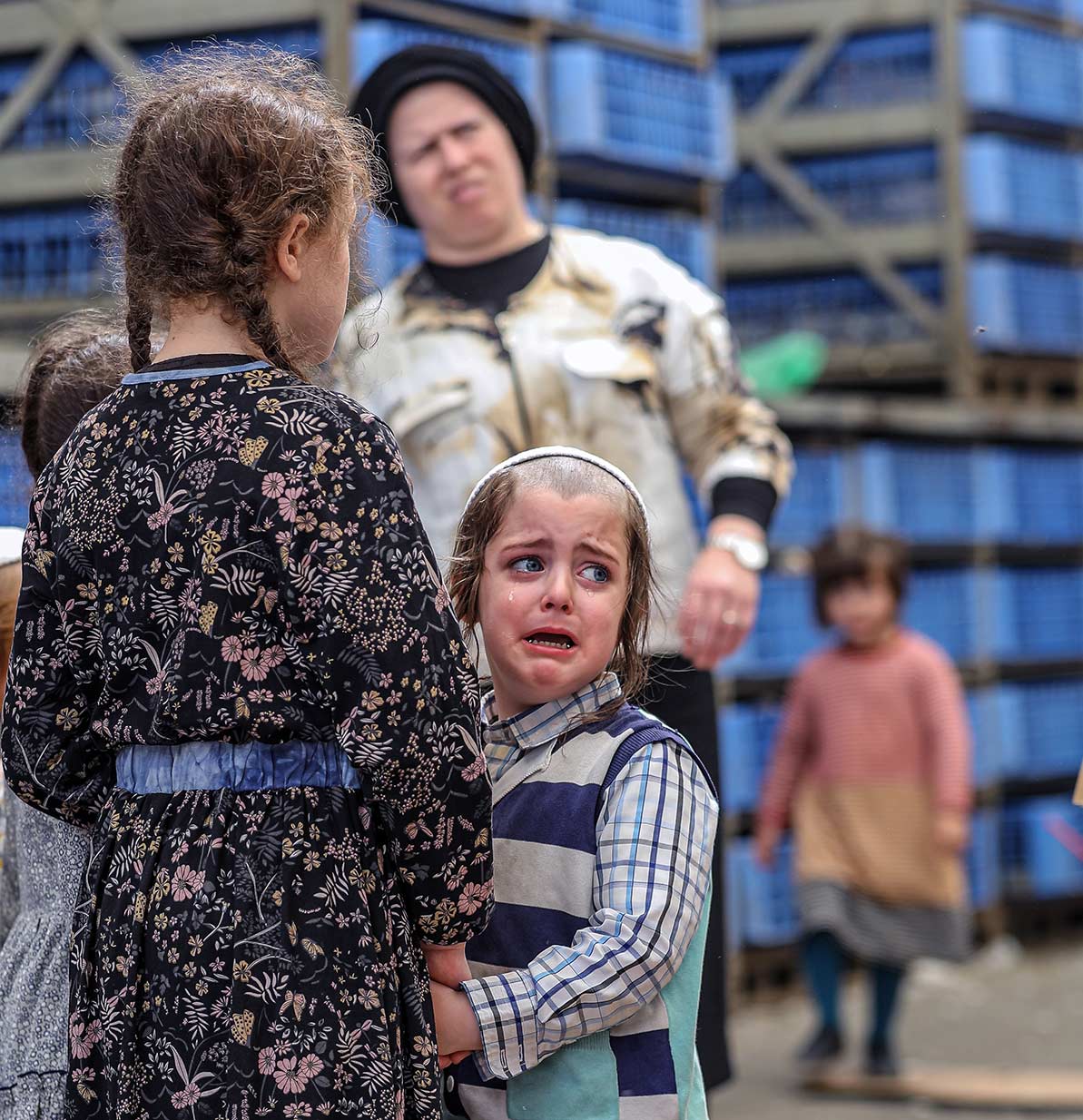
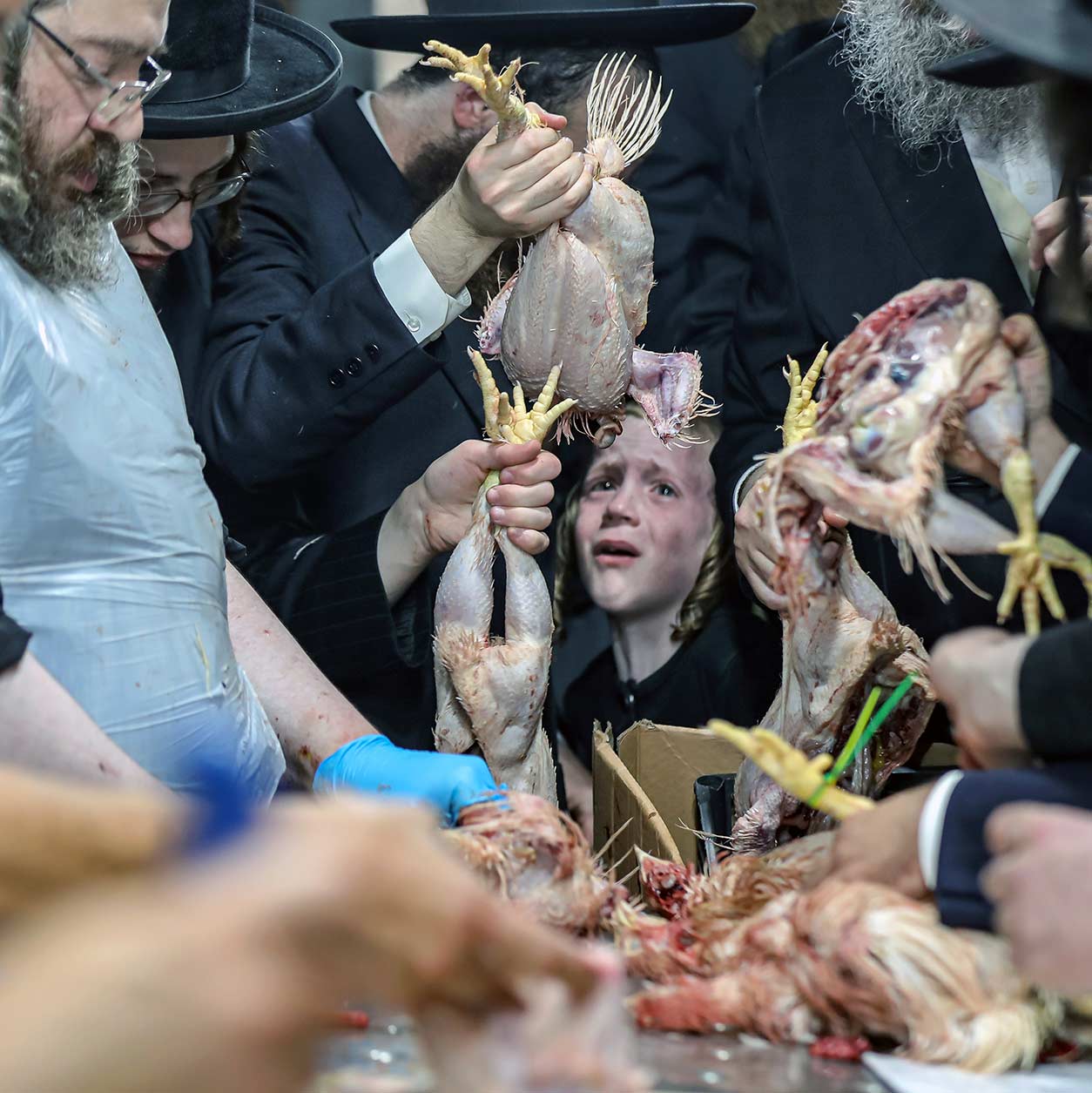
One aspect of the ritual that is rarely discussed is that participants, especially children, are exposed to the entire process, from a living chicken to food on a plate. This contrasts with the experience of many children, at least in my country, who may grow up with little awareness of where meat comes from and may, perhaps unconsciously, view a chicken breast as a product found in a supermarket.
Yoram Biberman © All rights reserved.
Yoram Biberman © All rights reserved.
Yoram Biberman © All rights reserved.
Yoram Biberman
© All rights reserved.
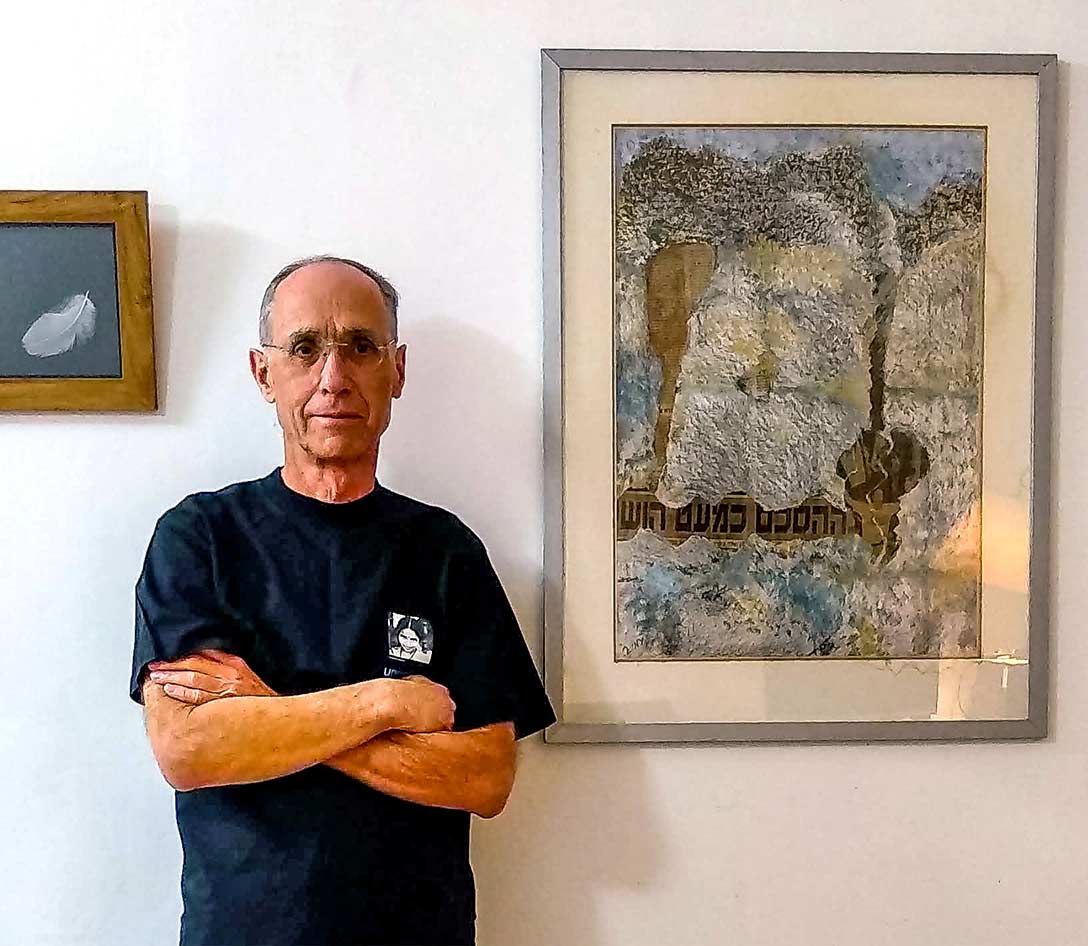
For the past 40 years, I have lived in Jerusalem, Israel, and worked as a psychologist. These two facts largely shape my photography. My images explore the human experience within the small geographic space of Jerusalem. Through them, I try to show how people’s inner worlds find expression in the outer world, in the unique mosaic, the nutshell, called Jerusalem.
A psychologist is trained to wait patiently for another person to open up and then to explore that person’s inner world together with them: their strengths and vulnerabilities alike, with empathy rather than judgment, defensiveness, or intrusion.
I try to bring the same attitude to my photography.
I am drawn to Jerusalem because it is a place where very different people meet. At times, however, I am less fond of how they meet.
Yoram Biberman © All rights reserved.
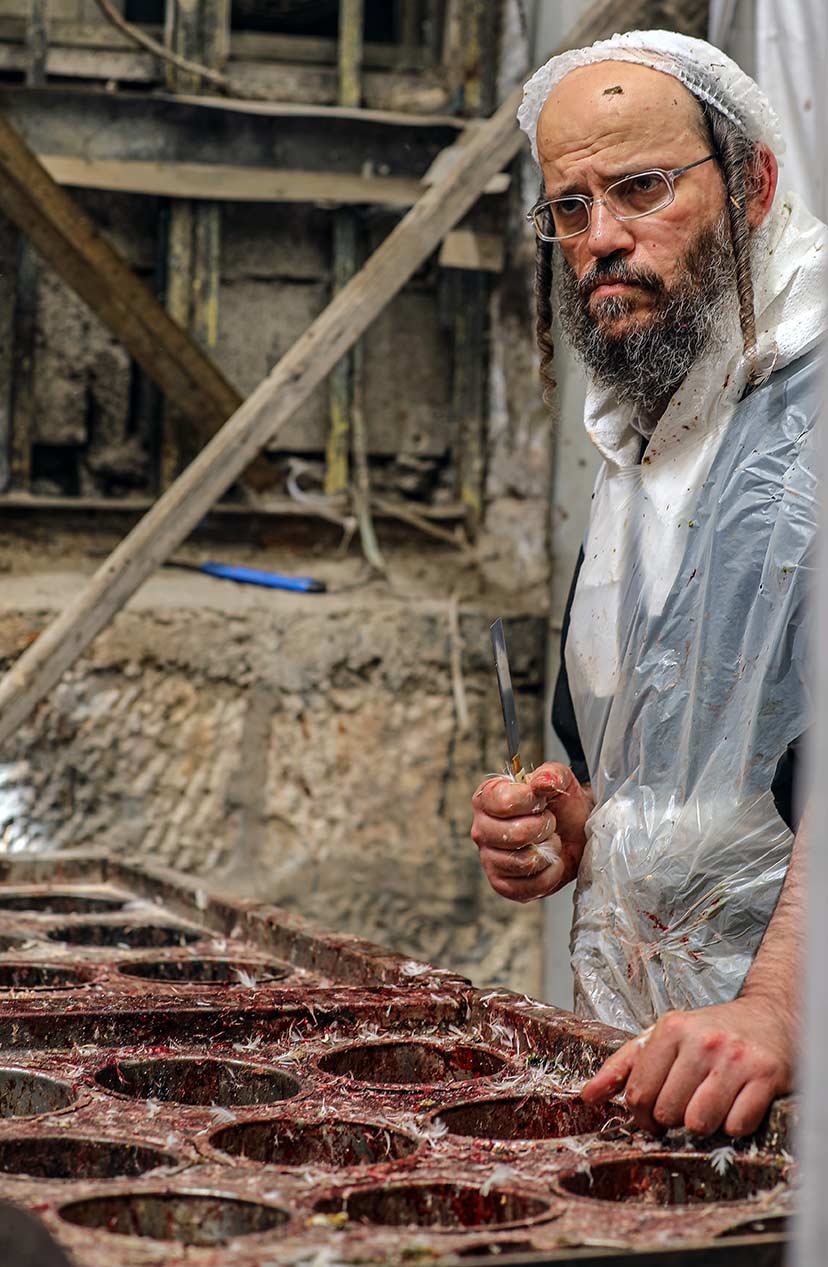
Right: The slaughterer pauses briefly to rest, knife still in hand.
Yoram Biberman © All rights reserved.
The Israeli writer Amos Oz once described the writer’s state of mind as being:
“Like a gangster on a knife night, but also, a little as if in a dream.”
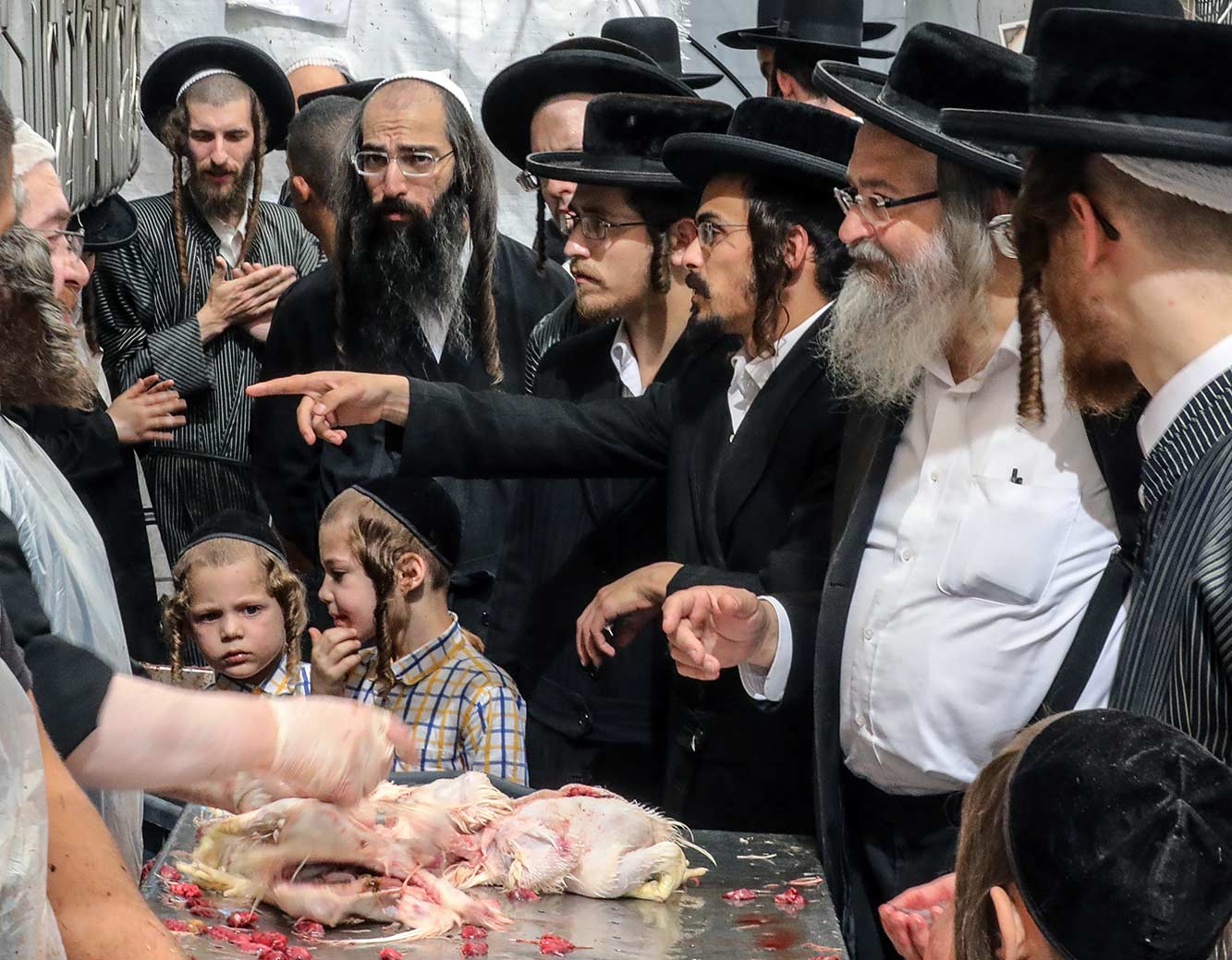
The Meat with a Bothered Boy
Yoram Biberman © All rights reserved.
This metaphor could just as easily describe the attentiveness required of a therapist or of a street photographer in the field: to remain highly alert while maintaining a measure of detachment.
Yoram Biberman ©
All rights reserved.
My photographs are never staged, and I do not explicitly ask permission before taking them. Some people notice they are being photographed; many do not. Often, the scene is crowded, and their attention is focused elsewhere. Still, I prefer moments of eye contact with my subjects. Often, that is the decisive moment for me.
There is a moral dimension to this practice that I cannot ignore. I suspect that many of my subjects would prefer not to be photographed. Some are traditional, religious, private, or simply wary of strangers. Yet I do not ask for permission.
In my defense, I can only say that my intentions are good. I try to treat my subjects with respect and to present them with as much dignity as possible. I hope that, if they see their photo, they will be pleased.
Even so, I sometimes feel that I am committing a small transgression: to reveal something meaningful, I must occasionally cross a boundary that I would rather leave untouched.
You may have heard the word “chutzpah”.
Many Israelis take pride in being considered chutzpadik. I do not.
And yet, I suspect that some people would describe my photography as an act of chutzpah—one I accept as part of my work.
Beyond all its other meanings, photography is, for me, a form of therapy.
When I am shooting, I enter a meditative state. Hopes and disappointments fade away. So do joy and anxiety.
My depth of field becomes the space between one frame and the next. And every feeling, however powerful, lasts no longer than 1/60 of a second.”
- Yoram Biberman
Yoram Biberman © All rights reserved.
Yoram Biberman © All rights reserved.