
VOODOO:
The Living Spirit of Benin
By Aga Szydlik
Aga Szydlik © All rights reserved.
Voodoo was not born in the shadows of superstition.
It grew from the red earth of the Kingdom of Dahomey — now Benin — as a living, breathing covenant between the human world and the divine. Today, more than 50 million believers across West Africa, the Caribbean, South America, and the American South carry this tradition forward, not as folklore, but as the very architecture of daily life.
Aga Szydlik © All rights reserved.
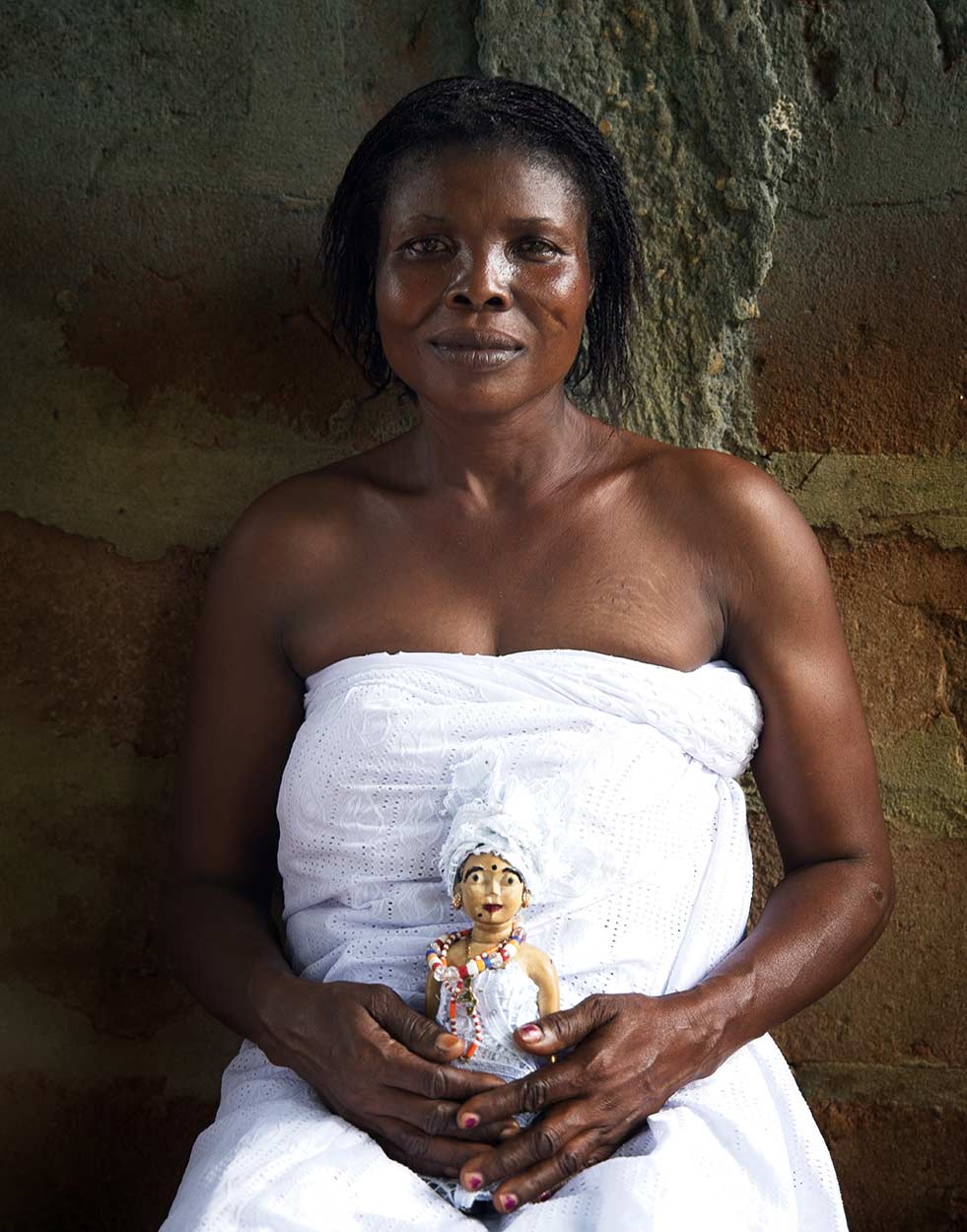
The word itself speaks volumes. In the Fon language, Voodoo means “god,” “soul,” “strength,” “spirit,” or “power.” Its older name, Vodun, means “that which is hidden” — the mystery beneath the visible world. These are not merely definitions. They are an invitation.
Aga Szydlik © All rights reserved.
The World Beneath the World
At the heart of Voodoo lies animism: the conviction that every living thing pulses with spirit. A river has will. A tree holds memory. The wind carries intent. For those who walk this path, the natural world is not a backdrop — it is a living text, endlessly communicating. It is a source not of fear, but of profound comfort.
Voodoo is not a doctrine. It is an entire civilization — encompassing art, music, medicine, and law, woven into the rhythms of everyday life.
Sacrifice and Offering
Aga Szydlik © All rights reserved.
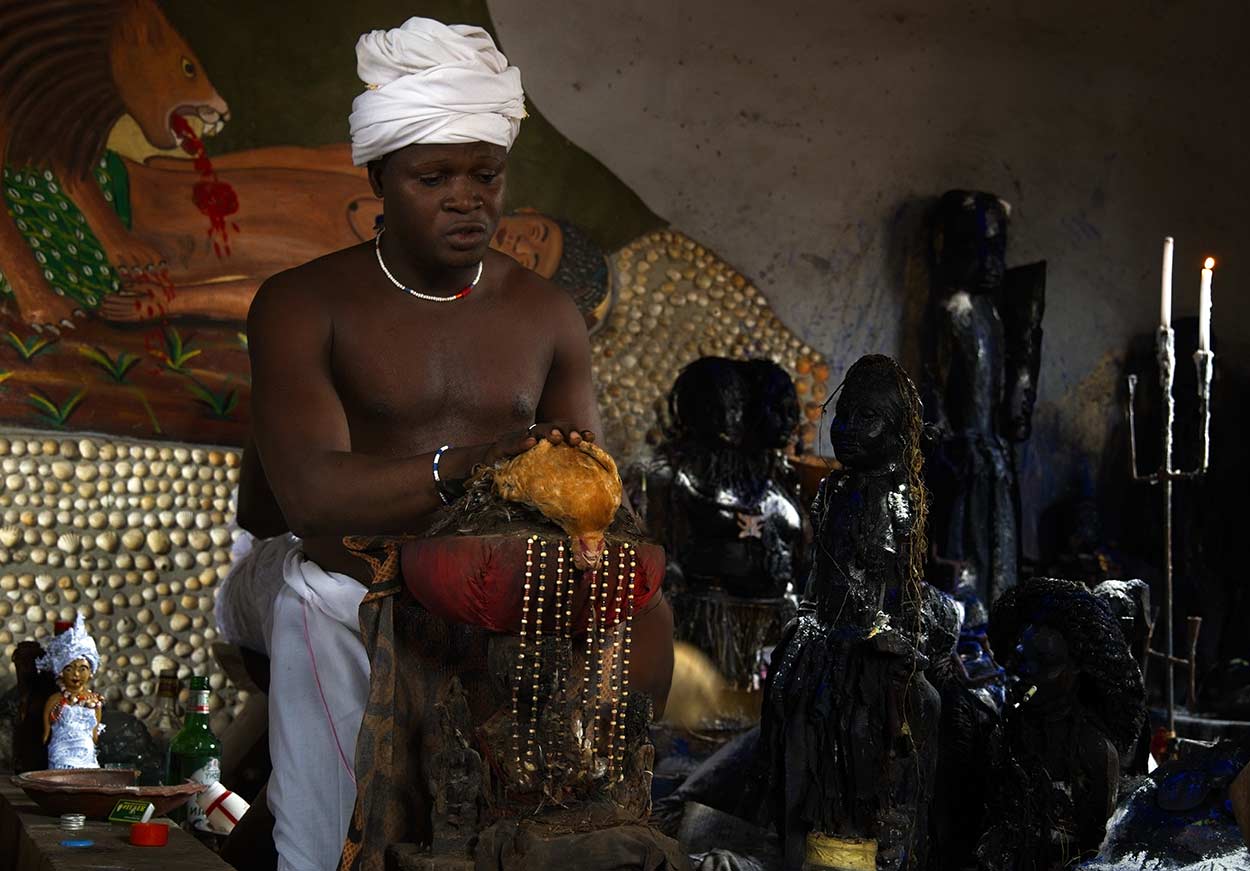
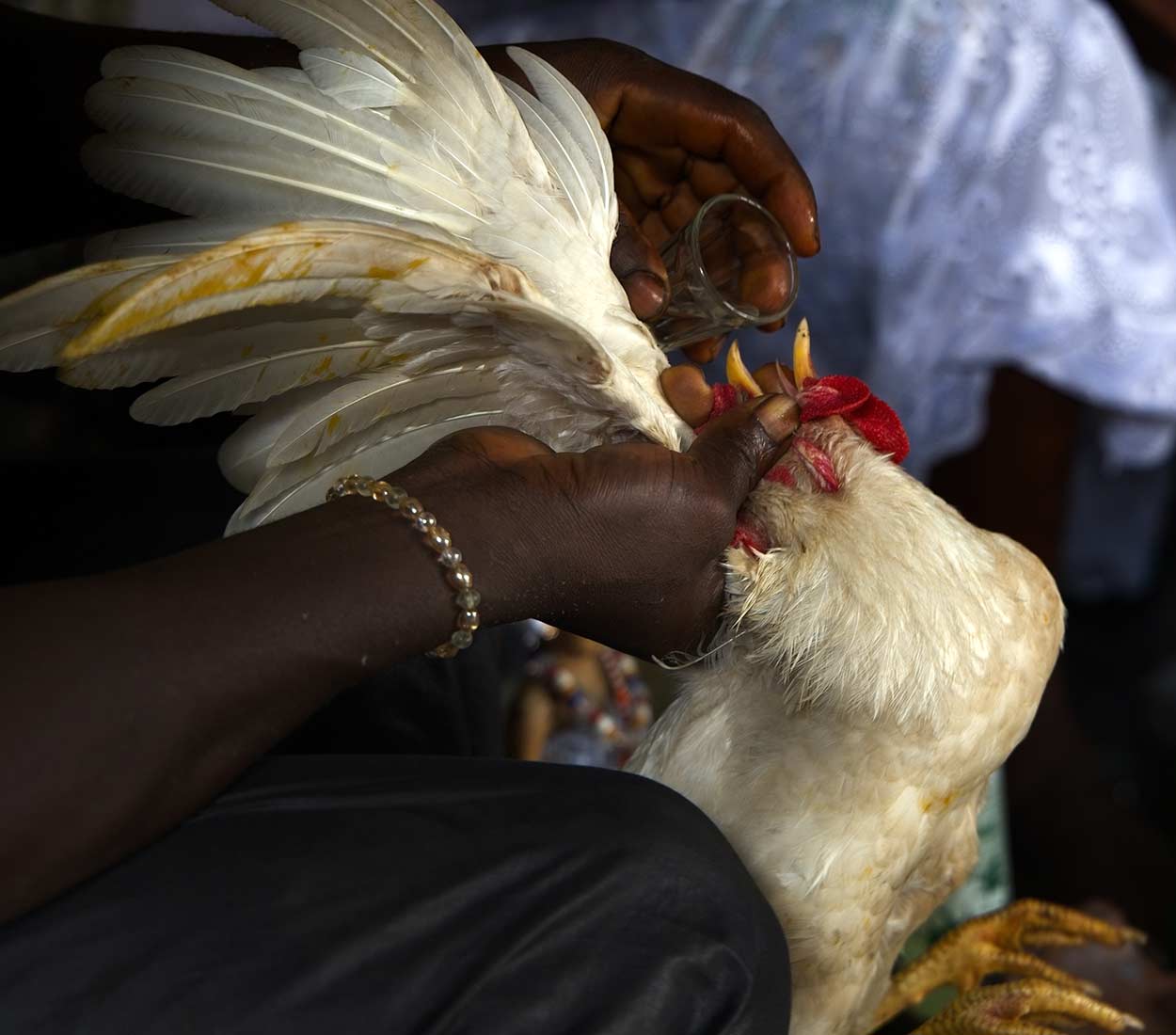
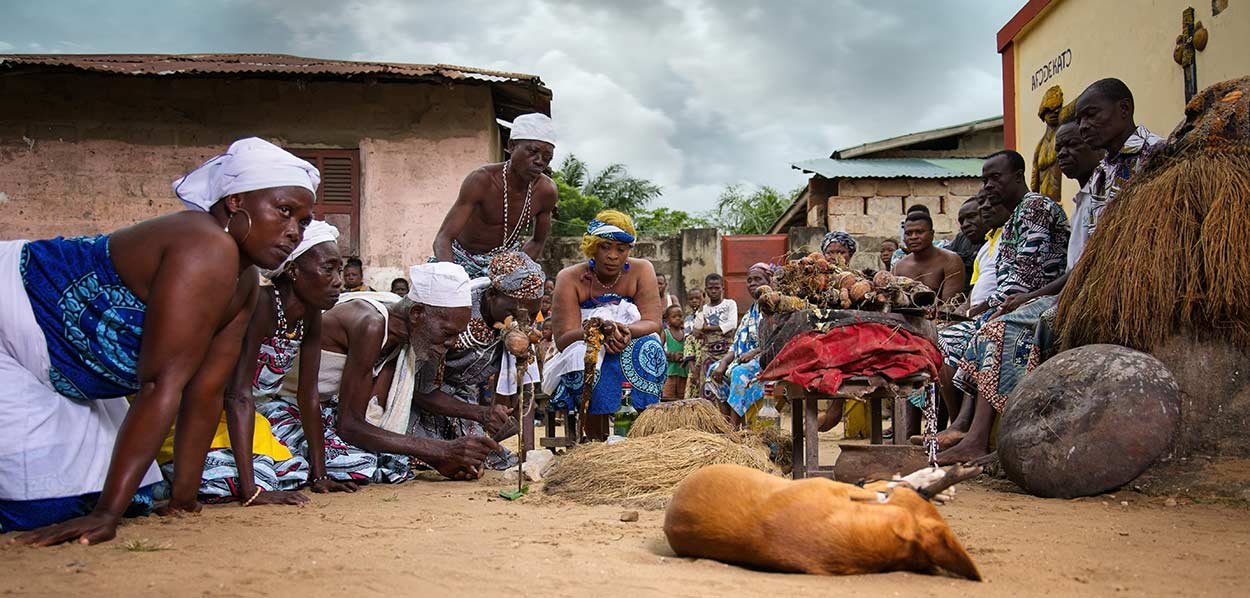
Outsiders often reduce Voodoo to a single image: the needle-pierced effigy, the shadowy ritual. The truth is both more complex and more human. Animal sacrifice is indeed central to Voodoo ceremony, but it is an act of reciprocity — a gift returned to spirits who sustain the living.
Food and alcohol, especially gin, are laid before the lwa (spirits) as offerings of respect. What is sacrificed is often shared communally afterward, transformed into a meal and a bond.
Aga Szydlik © All rights reserved.
The Ceremony:
Where the Veil Thins
To witness a Voodoo ceremony is to stand at the threshold between worlds.
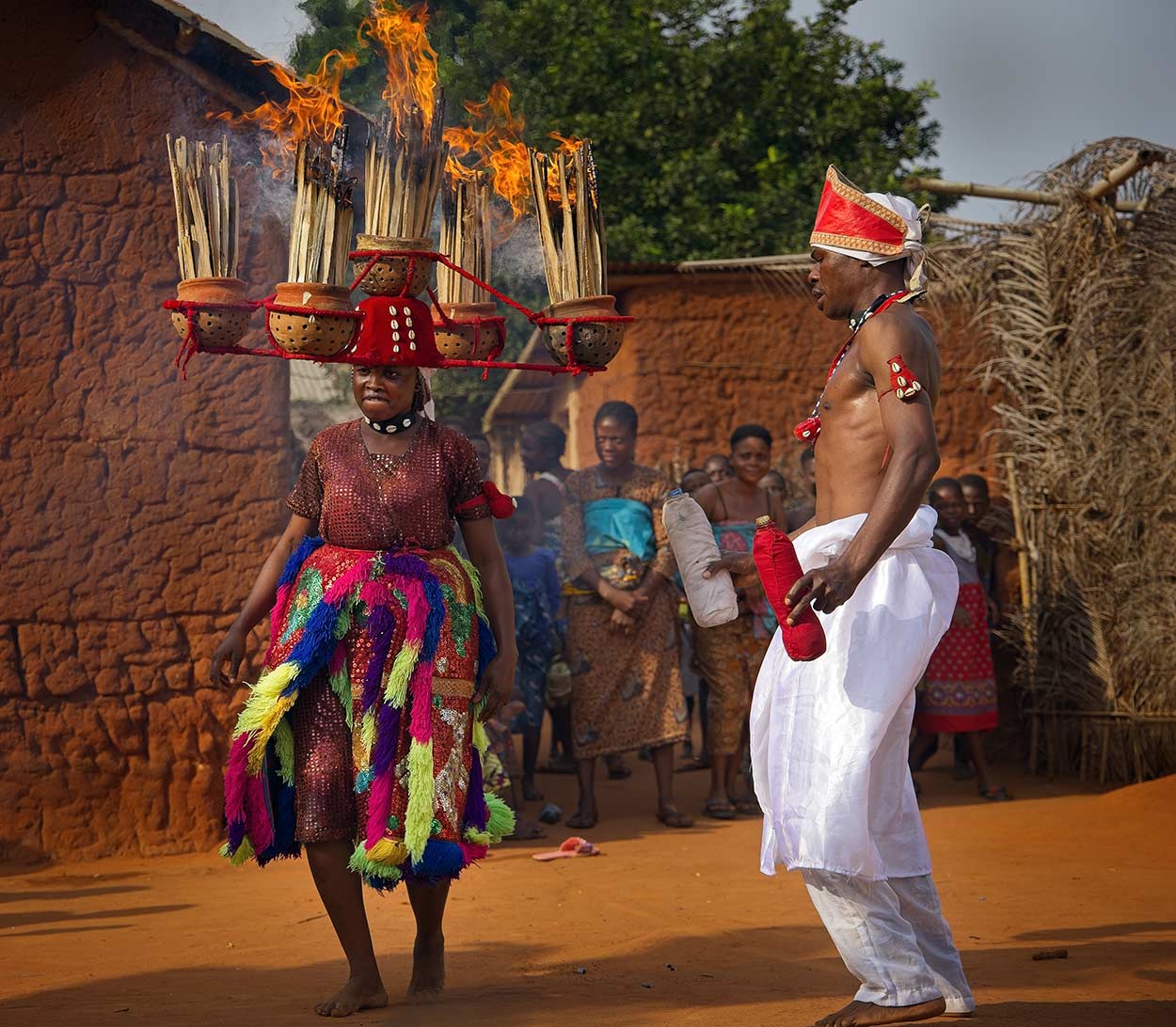
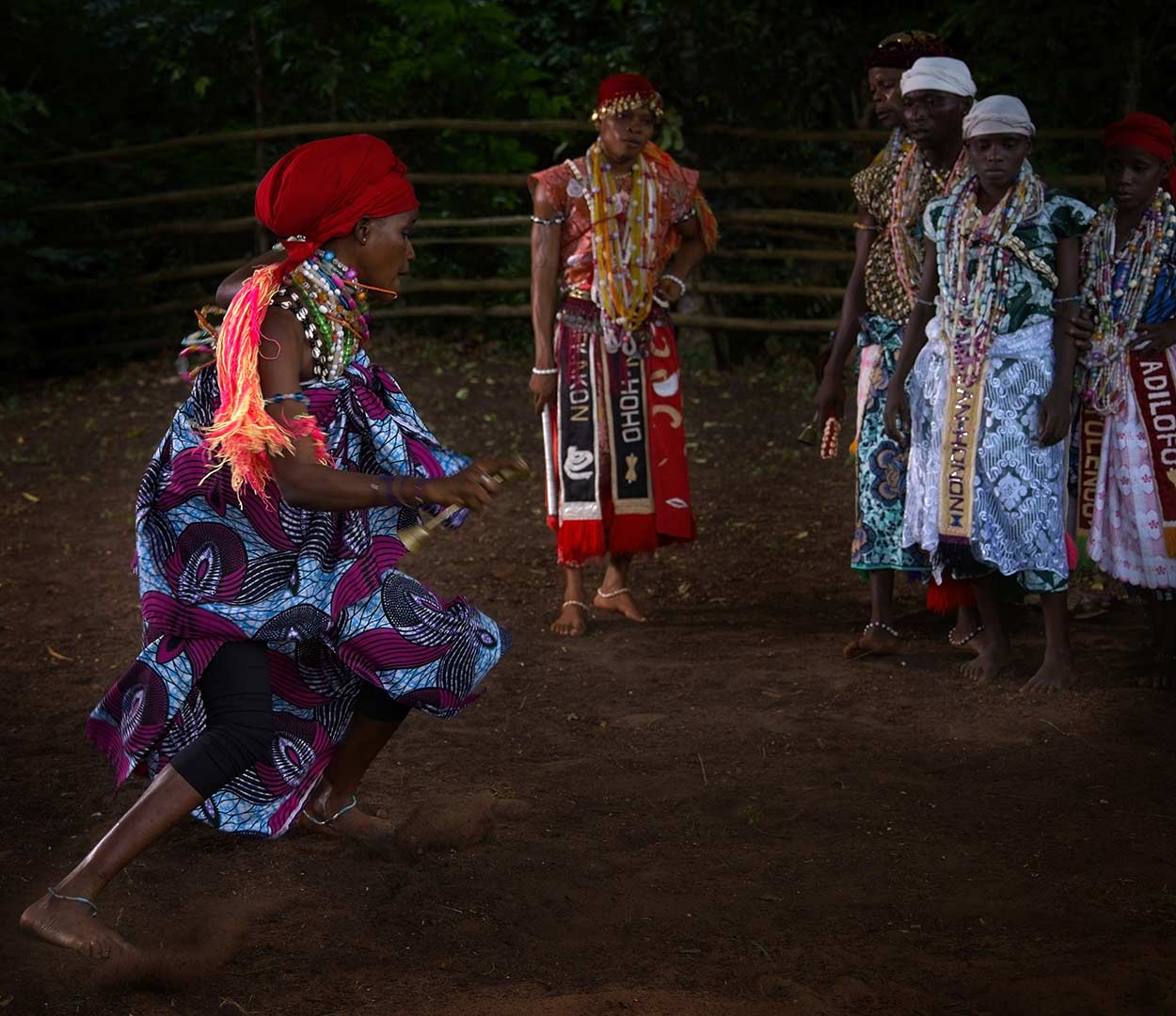
Drums begin — insistent, hypnotic, relentless. Participants trace sacred symbols in cornmeal across the ground, calling forth specific spirits. Voices rise in ancient chants. Bodies move around the poto mitan, the central post that serves as an axis between earth and sky.
Then, if the spirits answer, something extraordinary happens.
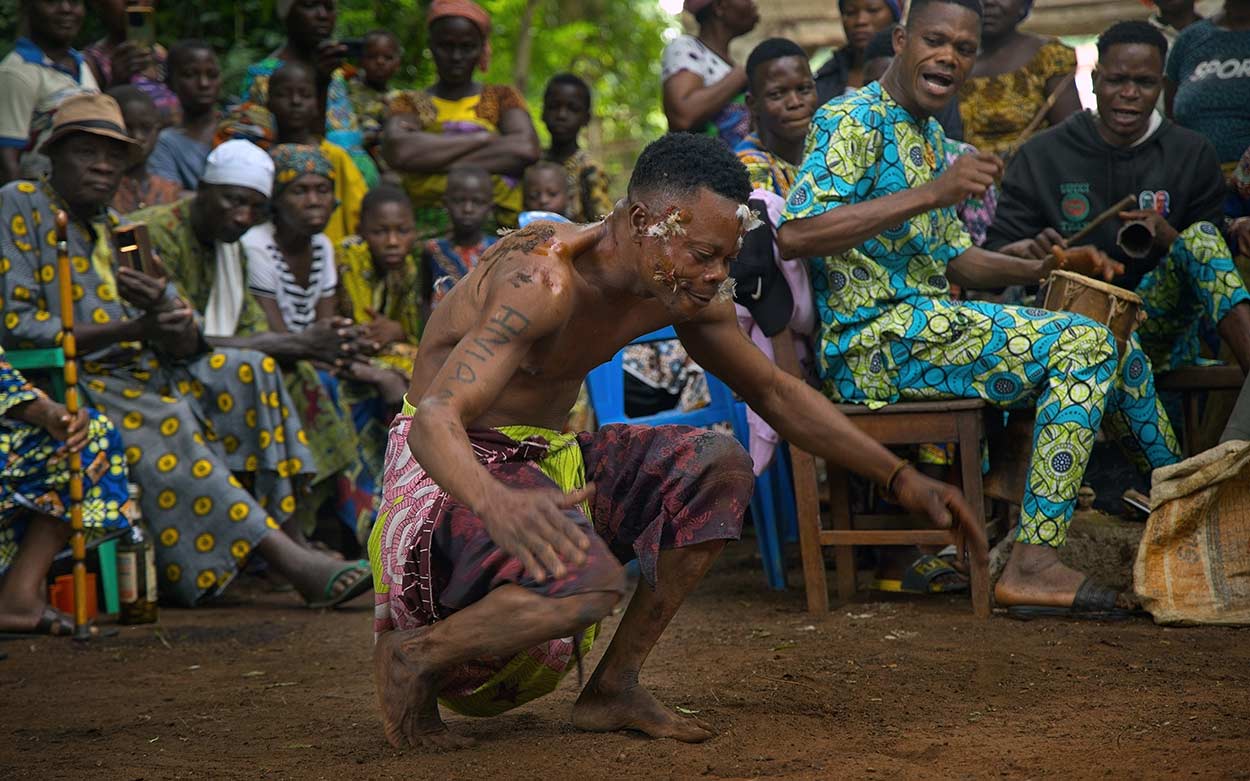
A lwa descends. It enters a human body — what practitioners call “riding” — and the person is no longer fully themselves. Eyes roll back. Movement becomes convulsive and wild. Words emerge that no one around them understands. The boundary between the living and the invisible has dissolved, if only for a moment.
This is not a spectacle. It is communion.
Aga Szydlik © All rights reserved.
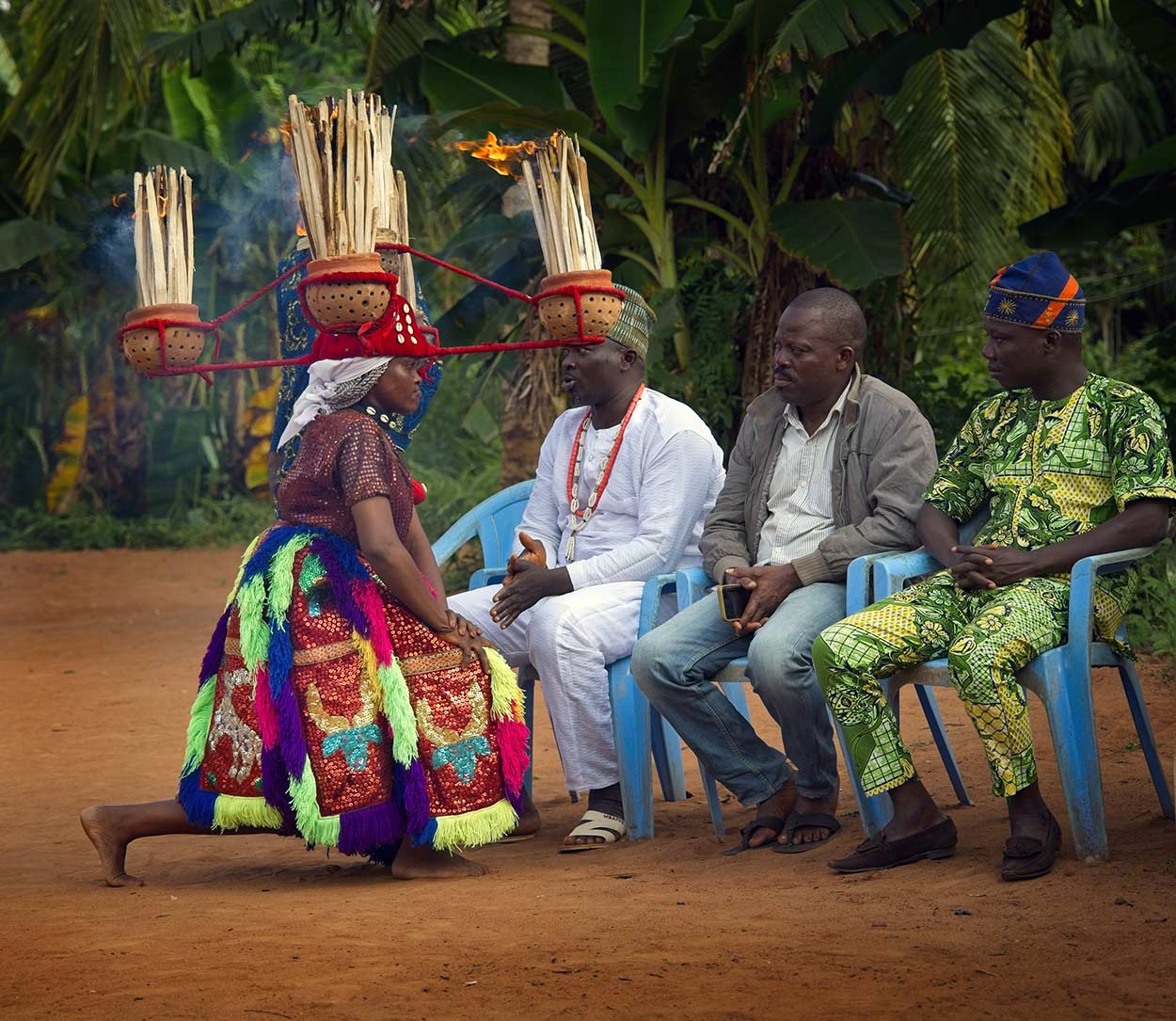
The initiation into Voodoo, which can take many years, is a testament to the depth of this commitment, and only those who are initiated are allowed to enter sacred forests.
Aga Szydlik © All rights reserved.
Priests, Healers, and Guardians
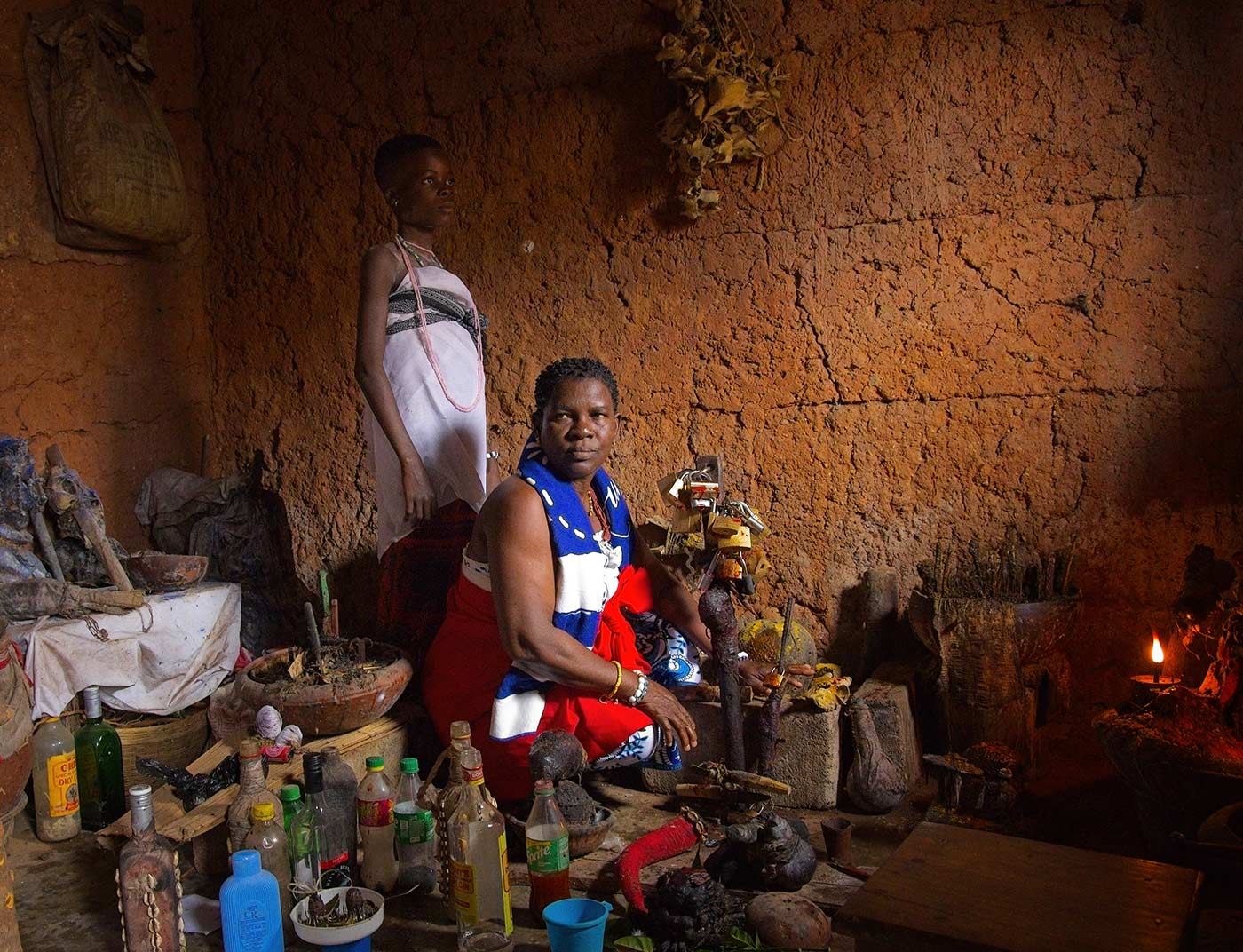
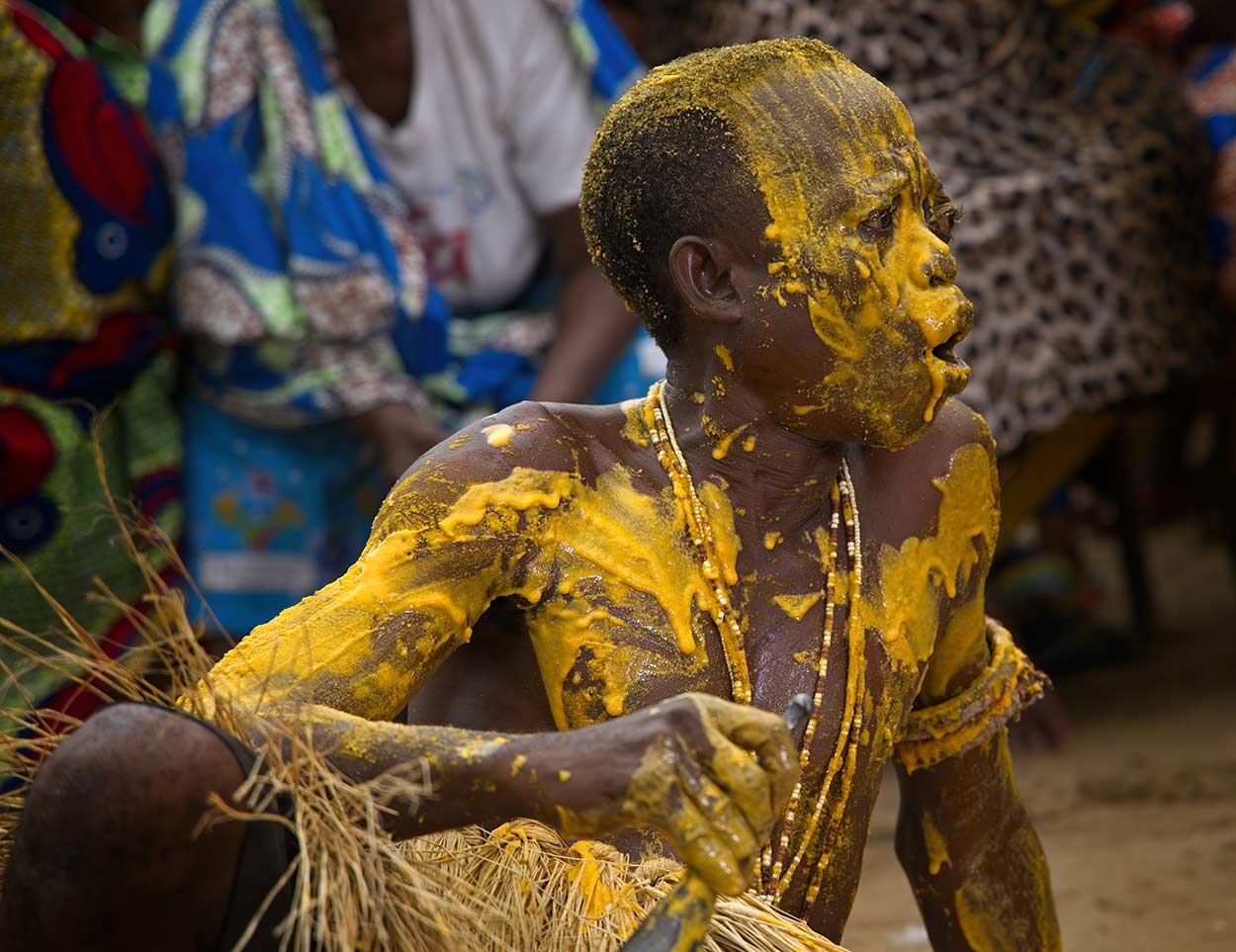
The Priests — hounnongan and bokonon — are the custodians of this world. Trained from childhood, or called by spirit possession, they interpret the will of the divine, conduct healing rituals, and guide their communities through birth, death, and crisis. Juju priests specialize in direct negotiation with particular spirits, often through offerings of palm wine and sacrifice.
The path to the priesthood is long. The initiation, beginning with a ceremony called Kanzo, may unfold over years. Only the initiated may enter the sacred forests, where the most powerful knowledge is kept.
Aga Szydlik © All rights reserved.
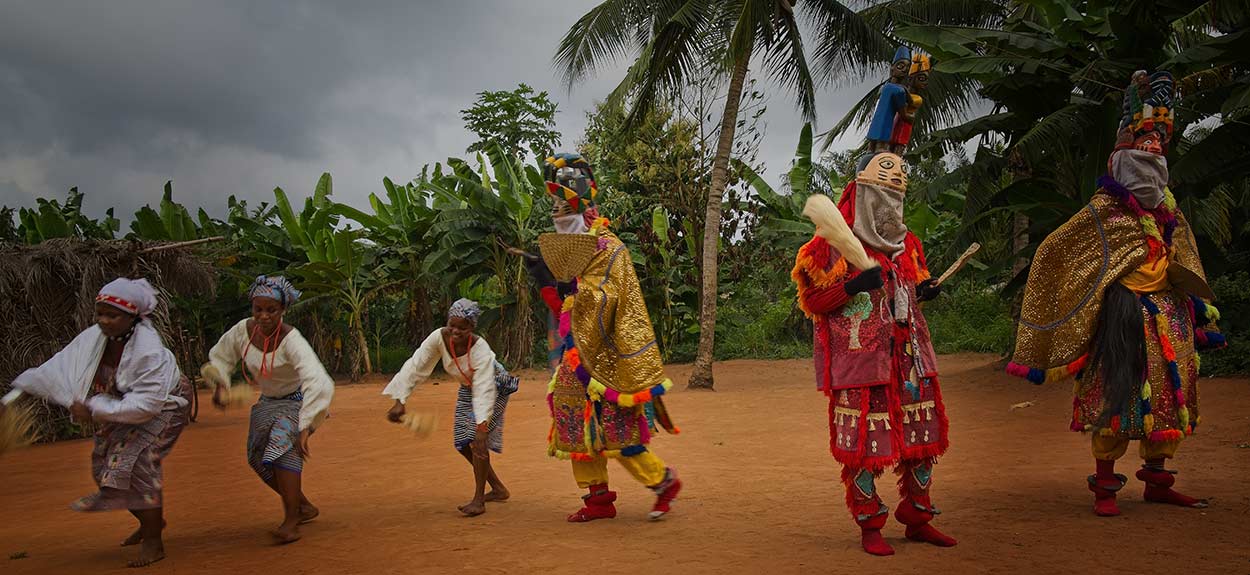
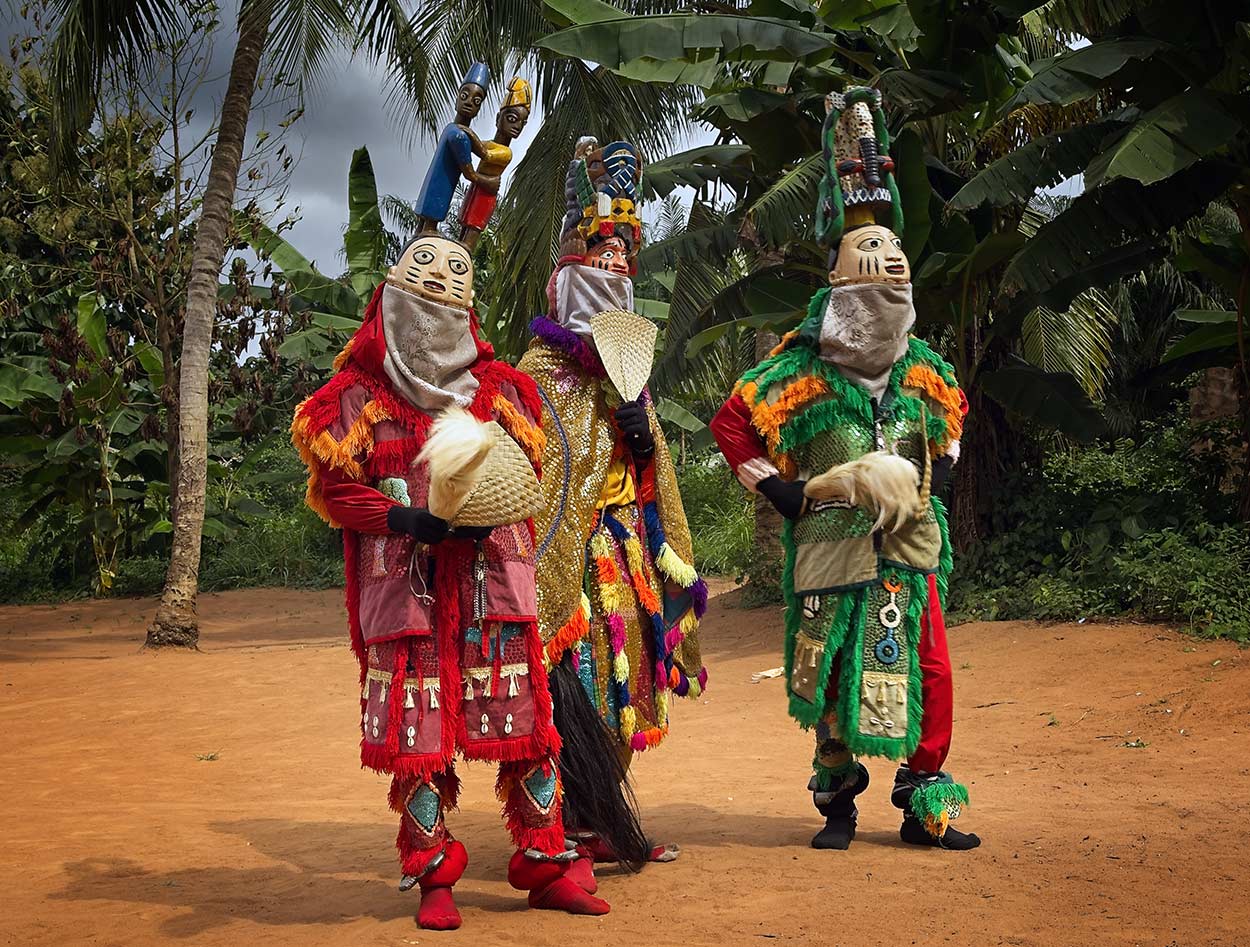
The Egungun is perhaps the most awe-inspiring presence in the Voodoo world — a spirit of the dead returned to physical form, visiting the living. To encounter an Egungun is a charged experience: some are gentle ancestors, others — like the agbanon, marked by towering wooden structures on their heads — carry an air of severity. The living do not touch an Egungun, for the risk, it is said, is death itself.
Aga Szydlik © All rights reserved.
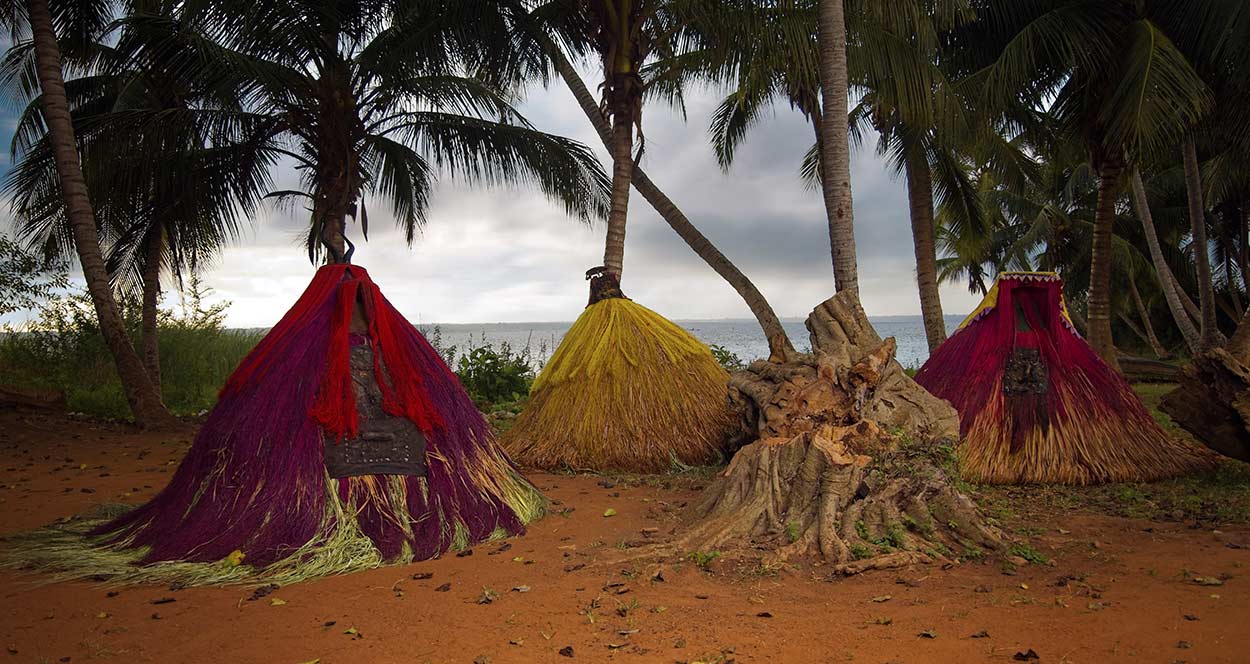
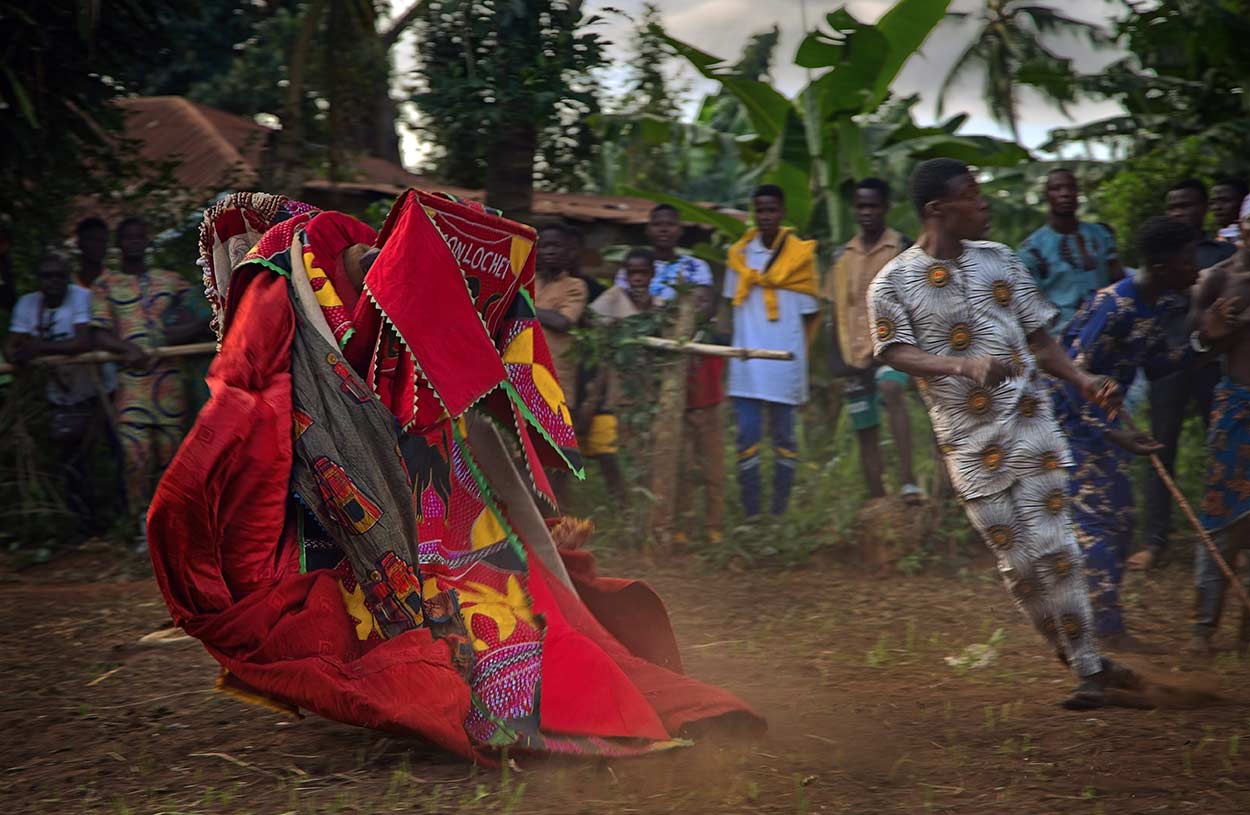
The Zangbeto are the Night Watchmen — a secret society functioning as an unofficial police force and moral authority. They move through communities under the cover of darkness, identifying wrongdoers and dispensing justice. Who or what inhabits the Zangbeto costume is never revealed to the uninitiated. That uncertainty is the point.
Aga Szydlik © All rights reserved.
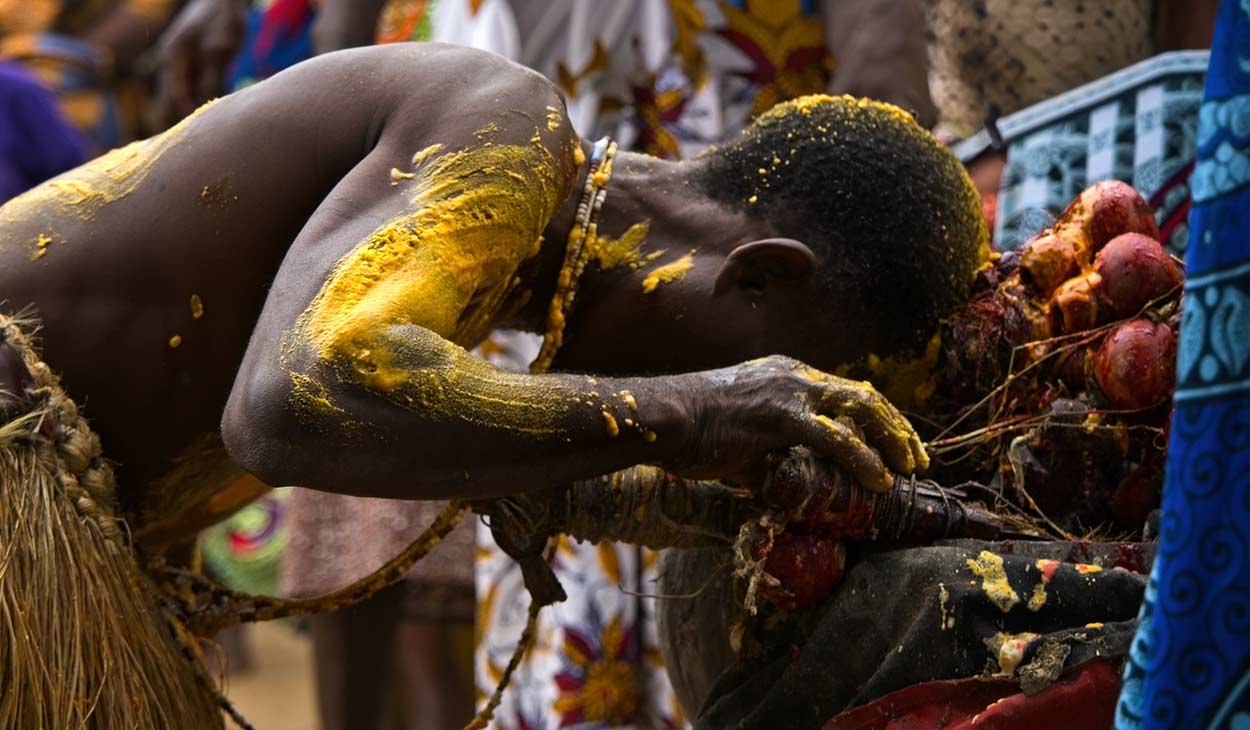
Once the spirit has occupied the body, it makes the body dance wildly with its eyes rolled back into its head, causing self-injures and cuts, as well as speaking incomprehensible languages with its body possessed by spirits or gods.
Aga Szydlik © All rights reserved.
Aga Szydlik
Right: Voodoo: The Living Spirit of Benin
Aga Szydlik © All rights reserved.
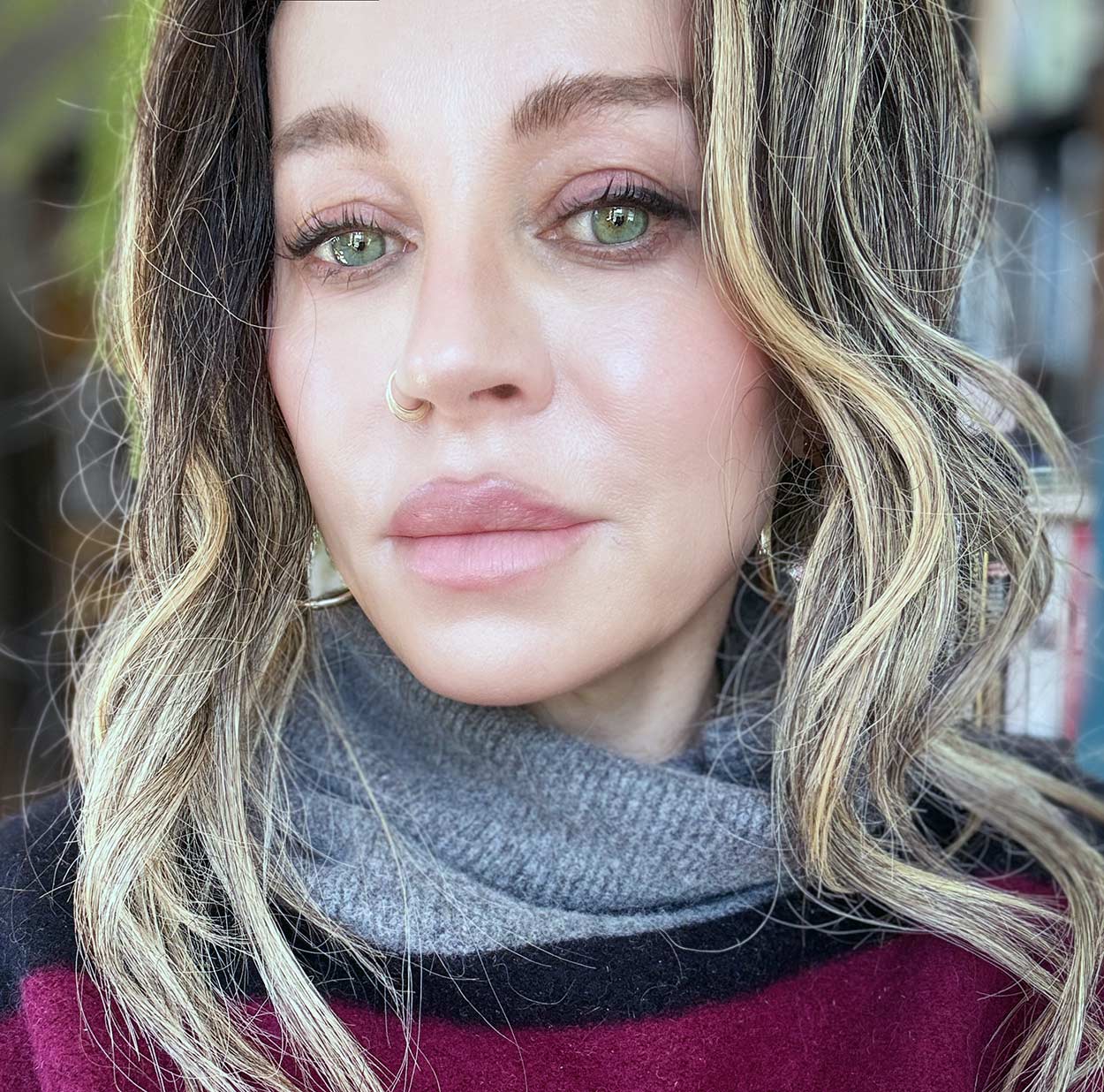
Aga is an international award-winning documentary photographer based in the USA, and her work focuses mainly on documentary photojournalism, conservation, and exploration of heritage sites, indigenous tribes, and rituals. She actively supports human rights and conservation efforts.
Aga’s professional journey began with fight photography when she lived in Thailand. Muay Thai was one of her many passions, and when she was presented with the opportunity to cover Muay Thai fights, she didn’t think twice about it and had the best time of her life doing it. Aga traveled extensively in SE Asia, had many adventures, and met many fascinating people. Eventually, a few years later, her journey took her to Indonesia and South Africa. Aga’s passion for photography and travel is shared with her love for science, as she spends most of her time trying to cure people and the planet.
Aga actively supports human rights movements, environmental protection, and conservation efforts. Aga’s assignments involve both freelance work and collaborations with various NGOs.
Aga Szydlik © All rights reserved.
Notes from the Field
These photographs were made across seven days in and around Ouidah, Benin, in the company of local priests, drummers, healers, and communities who generously shared their world.
On the first day, chief priest Amagnigbo Ayekou Bokonon opened the ceremonies, his son Toundé at his side.
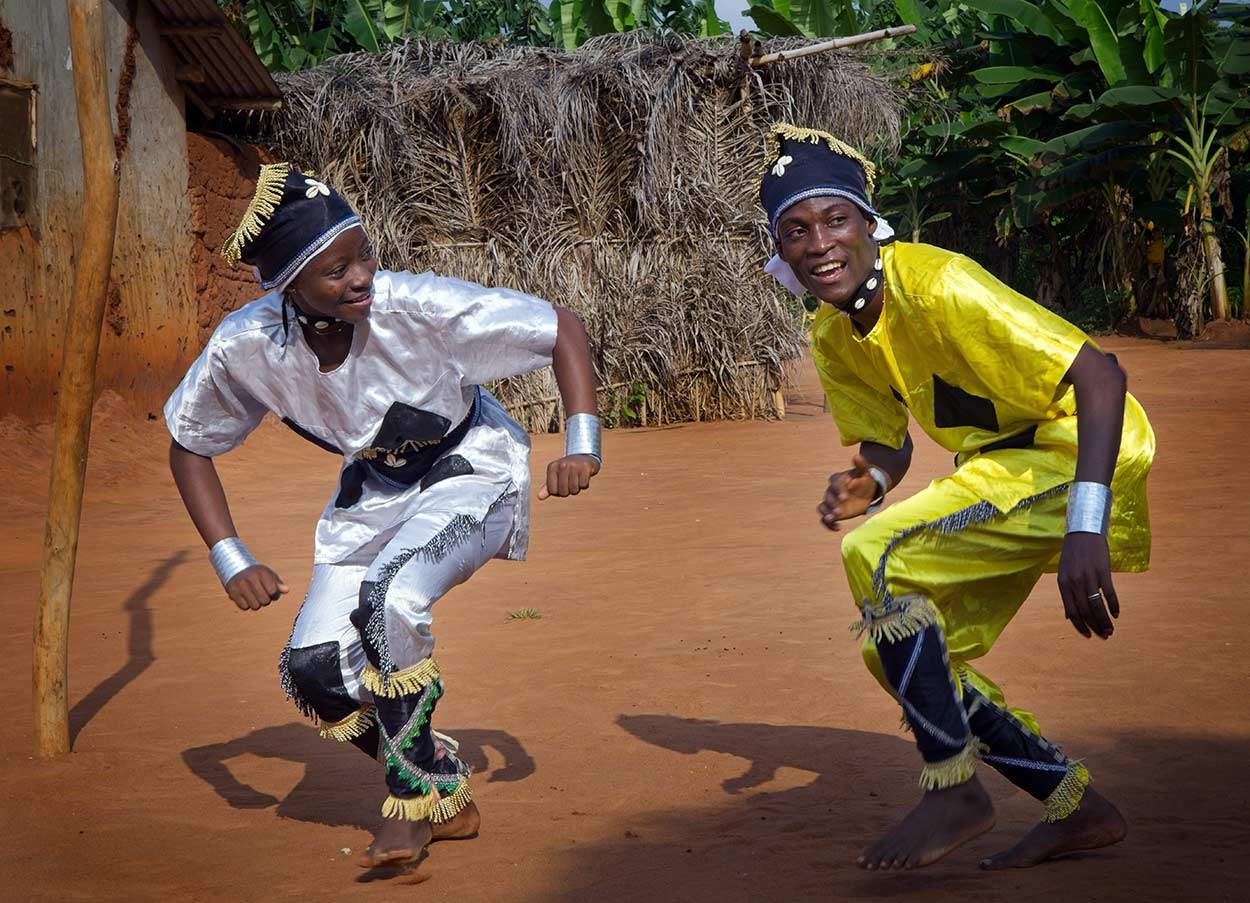
On the second day, the Python Temple revealed its keeper — Colman Adjovi — and the air filled with drumming led by Houngbedji Geoffroy Prince, while the Gelede dance of Gapke village moved through the afternoon.
The third day brought us to the Sacred Forest for the Sapkata ceremony, the same participants returning in the afternoon to dance again.
Aga Szydlik © All rights reserved.
The fourth day offered the Temple of Skulls in Vovvio village — a place not of death, but of wishes — where priest Tagbo receives the petitions of the living.
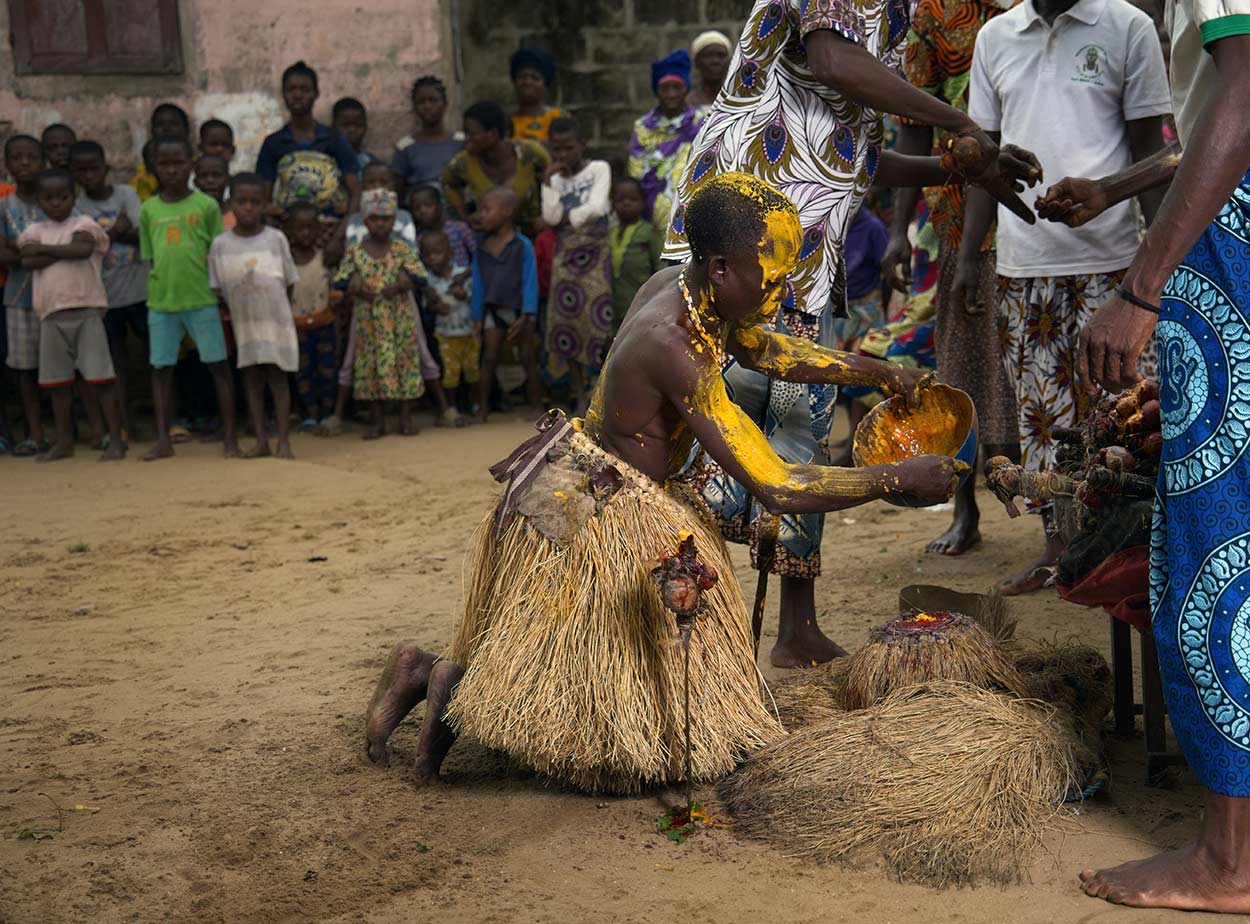
On the fifth day, in Agatogo village, the Gaglie Gogou dance animated bodies slick with palm oil. Priest Desiré Gbessê Hessou, dressed in red, presided. At the shrine of Heviesso, the thunder god, justice was sought for a theft — twice the question was put, twice unanswered. The silence was its own verdict.
Aga Szydlik © All rights reserved.
The sixth day found us on the shores of Lake Aheme in Segboue village, where Zangbeto held court, the identity of the priests shielded by centuries of secrecy. The women’s dance of Agbadja rippled through the gathering as fishing nets dried in the heat.
On the seventh day, healer-priest Togbe Heugbe received us in the village of Adjatokpa. A padlock hung at his shrine — a charm for love, sealed shut against loss.
Aga Szydlik © All rights reserved.