
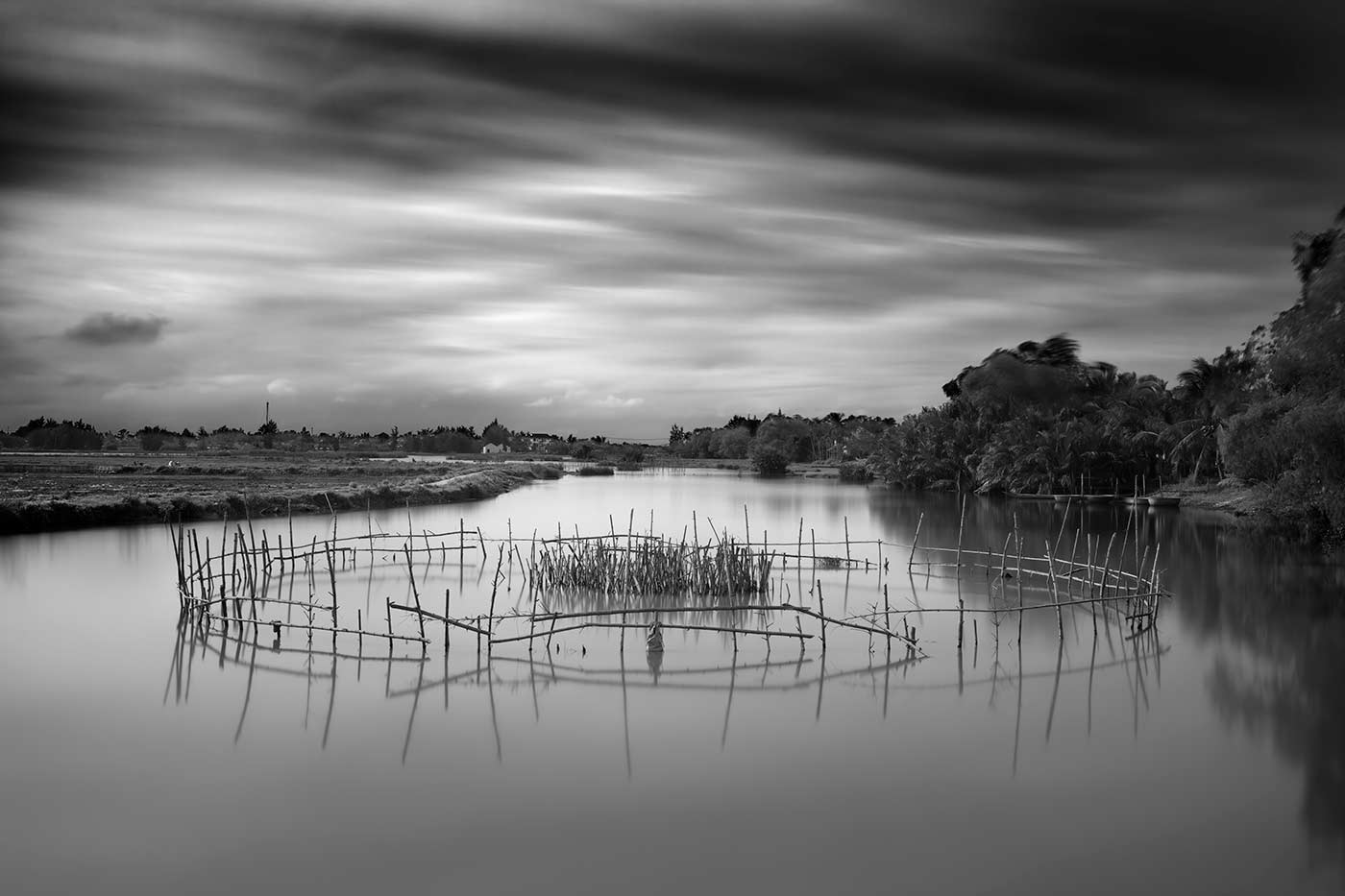
Reunification: An American Photographer in Vietnam
By Geoffrey Agrons
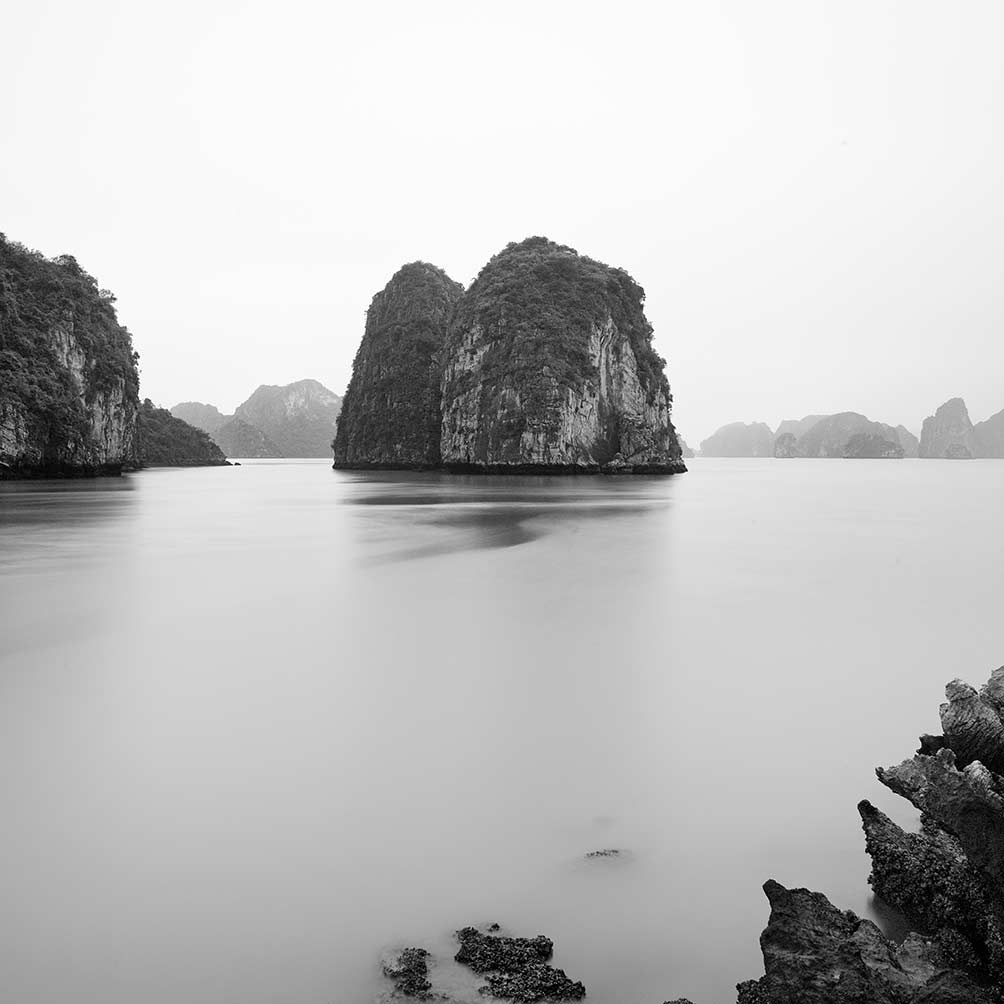
Karsts (Ha Long Bay)
Geoffrey Ansel Agrons ©
All rights reserved.
During my formative years in the United States in the late 1960s, while the conflict known in Vietnam as the “American War” raged, the word “Tet” evoked vastly different sentiments. On January 30, 1968, the first wave of surprise attacks by North Vietnamese and Viet Cong forces struck several central provinces.
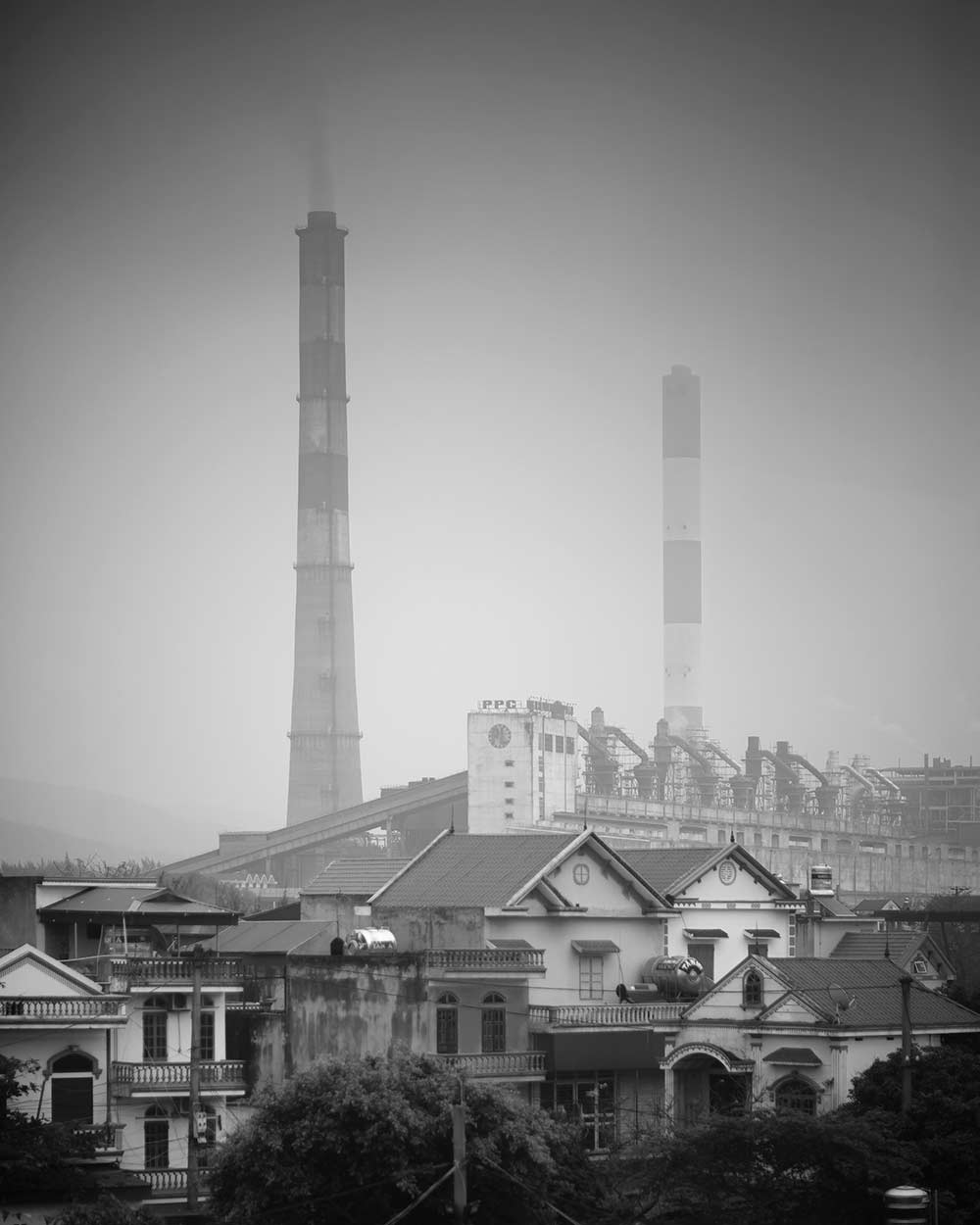
Mood Moderne
Geoffrey Ansel Agrons © All rights reserved.
In mid-January 2019, I traveled to Southeast Asia for the first time. Preparations for Tết Nguyên Đán, the Vietnamese Lunar New Year, were already well underway.
In the north, public displays of peach blossoms symbolized spring’s arrival, renewal, good fortune, and family reunion
During my formative years in the United States in the late 1960s, while the conflict known in Vietnam as the “American War” raged, the word “Tet” evoked vastly different sentiments. On January 30, 1968, the first wave of surprise attacks by North Vietnamese and Viet Cong forces struck several central provinces. On the following day—the second day of the Lunar New Year—a massive, coordinated wave of nationwide assaults hit more than 100 cities, towns, and military bases, heralding the full-scale launch of the Tet Offensive. Before this turning point, President Lyndon B. Johnson’s administration and U.S. military leaders insisted that communist forces were weakening and that an American victory was close at hand. The Tet Offensive shattered that public faith, deeply dividing American political and social sentiment for years to come.
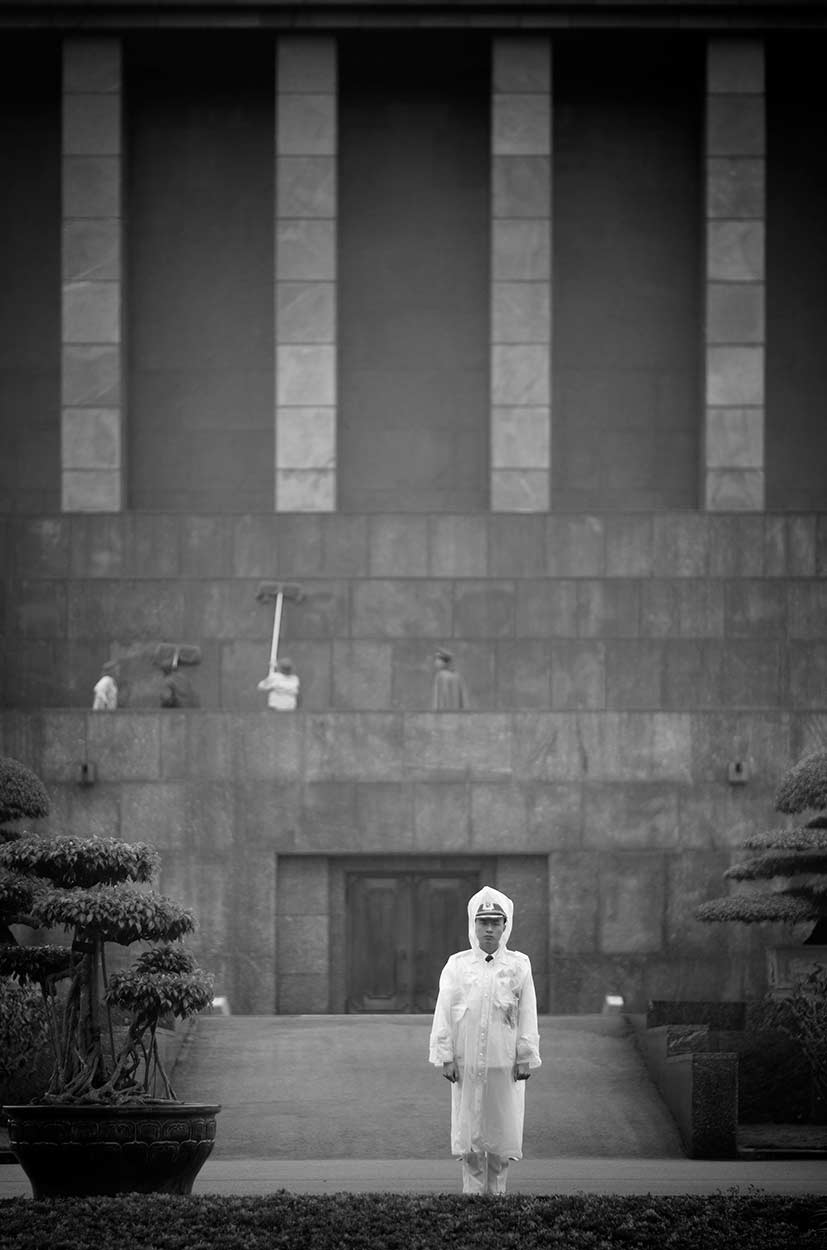
Rainy Day Vigil (The Tomb of Ho Chi Minh)
Geoffrey Ansel Agrons © All rights reserved.
One member of our travel entourage, a retired U.S. Air Force Colonel who had flown reconnaissance missions during the war, was seeing Ho Chi Minh City (Saigon) for the first time since 1968. He was clearly awed by the radically altered modern skyline of this vibrant metropolis. Unspoken but ever-present between us was a recognition of the lingering toll of American involvement: the enduring physical and environmental consequences—such as congenital disabilities and chronic illnesses tied to Agent Orange—and the unresolved moral weight that still haunts collective memory in the United States.
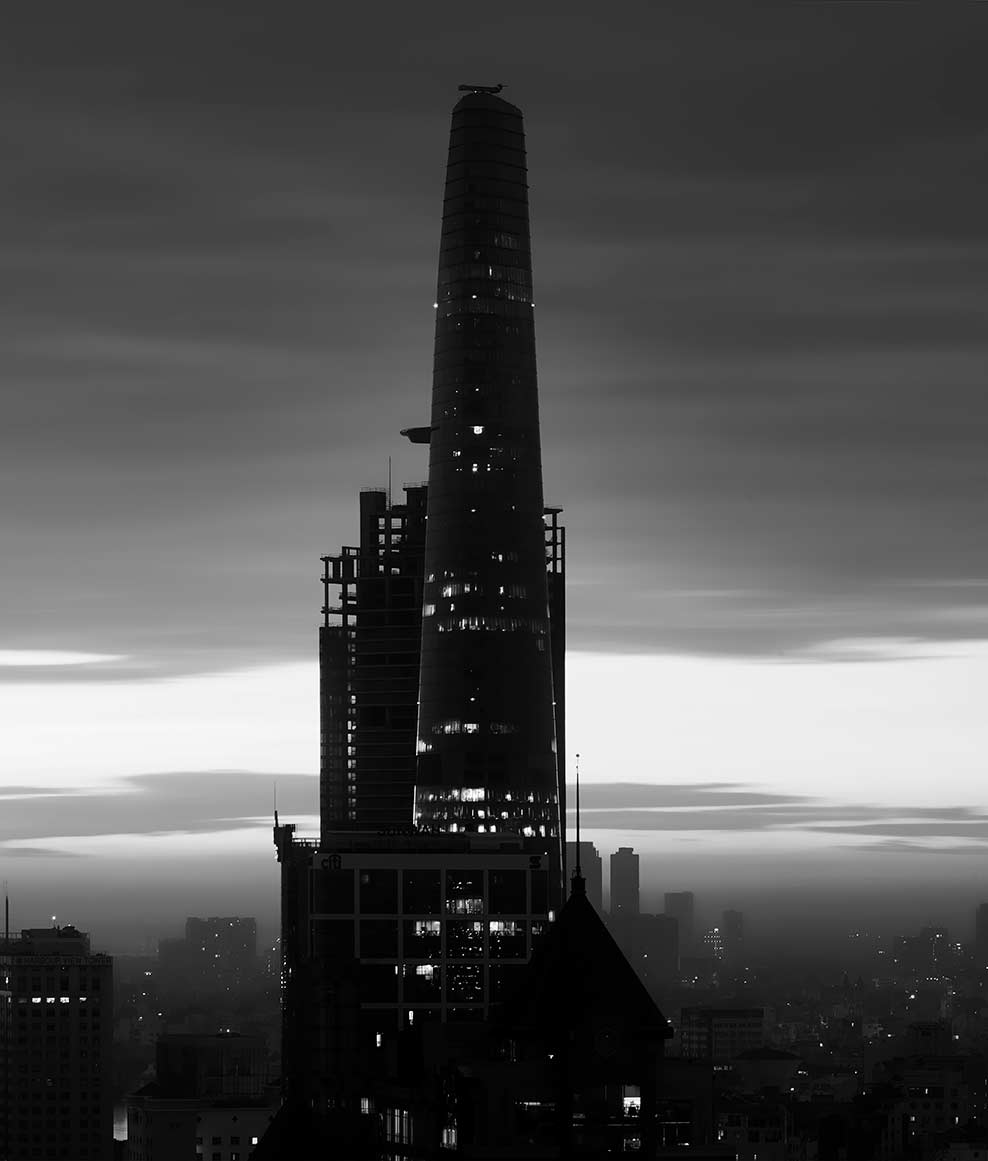
Still Only in Saigon
Geoffrey Ansel Agrons © All rights reserved.
Given this history, I expected a degree of bitterness from older Vietnamese citizens. It never came. Instead, I was met with warmth and genuine hospitality throughout my journey.
More than fifty years after the conflict ended, Vietnamese sentiment toward Americans is overwhelmingly positive, marked by pragmatism, economic partnership, and a remarkably forward-looking attitude. People here distinguish between the actions of a past government and those of ordinary individuals. To the Vietnamese, their 20th-century conflicts were not separate, isolated wars, but a singular, continuous struggle for national liberation and sovereignty. In the official narrative taught in schools and preserved in state museums, the fights against France and the United States were simply two chapters of the same anti-colonial resistance—a resistance that ultimately paved the way for the peaceful, unified country I photographed.
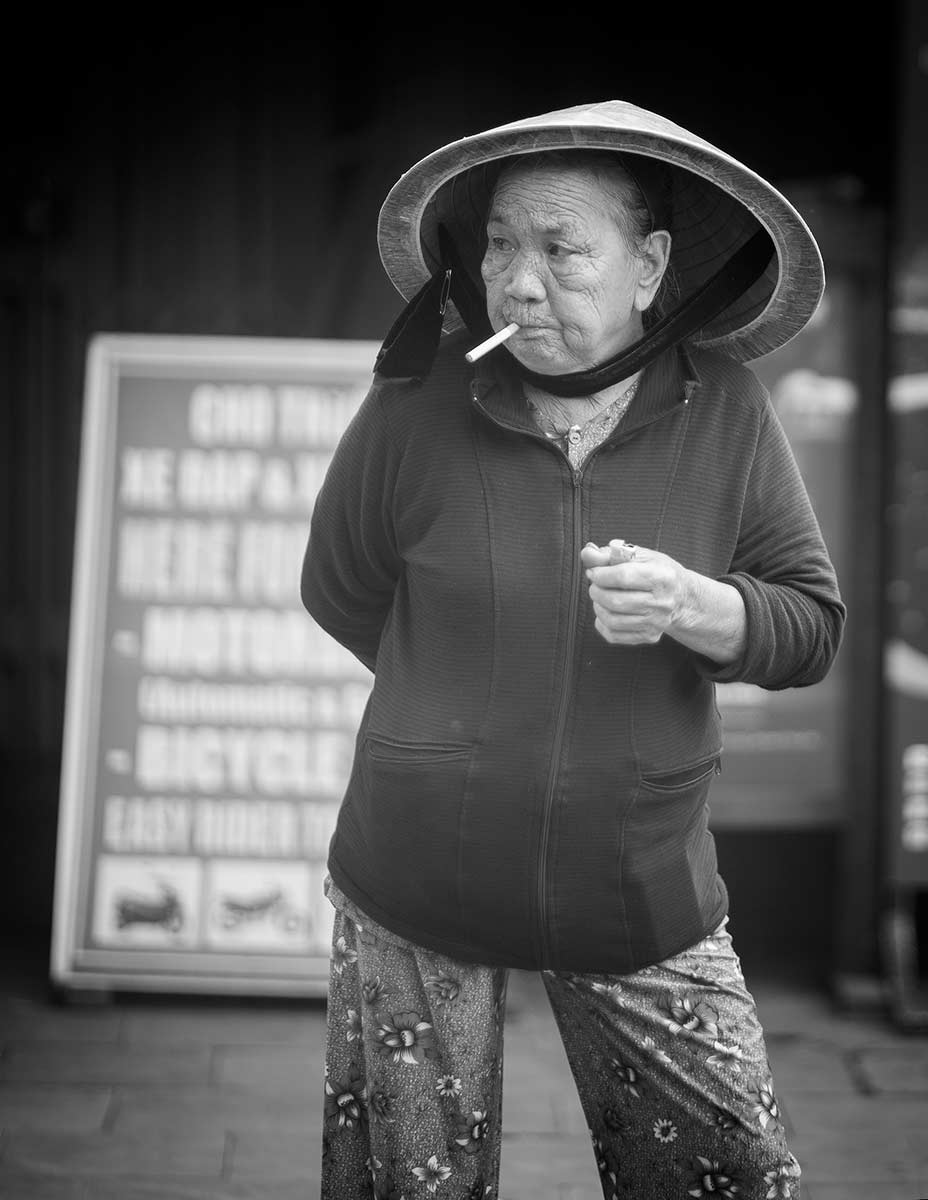
Woman with a Cigarette, Hoi An
Right: Vietnam
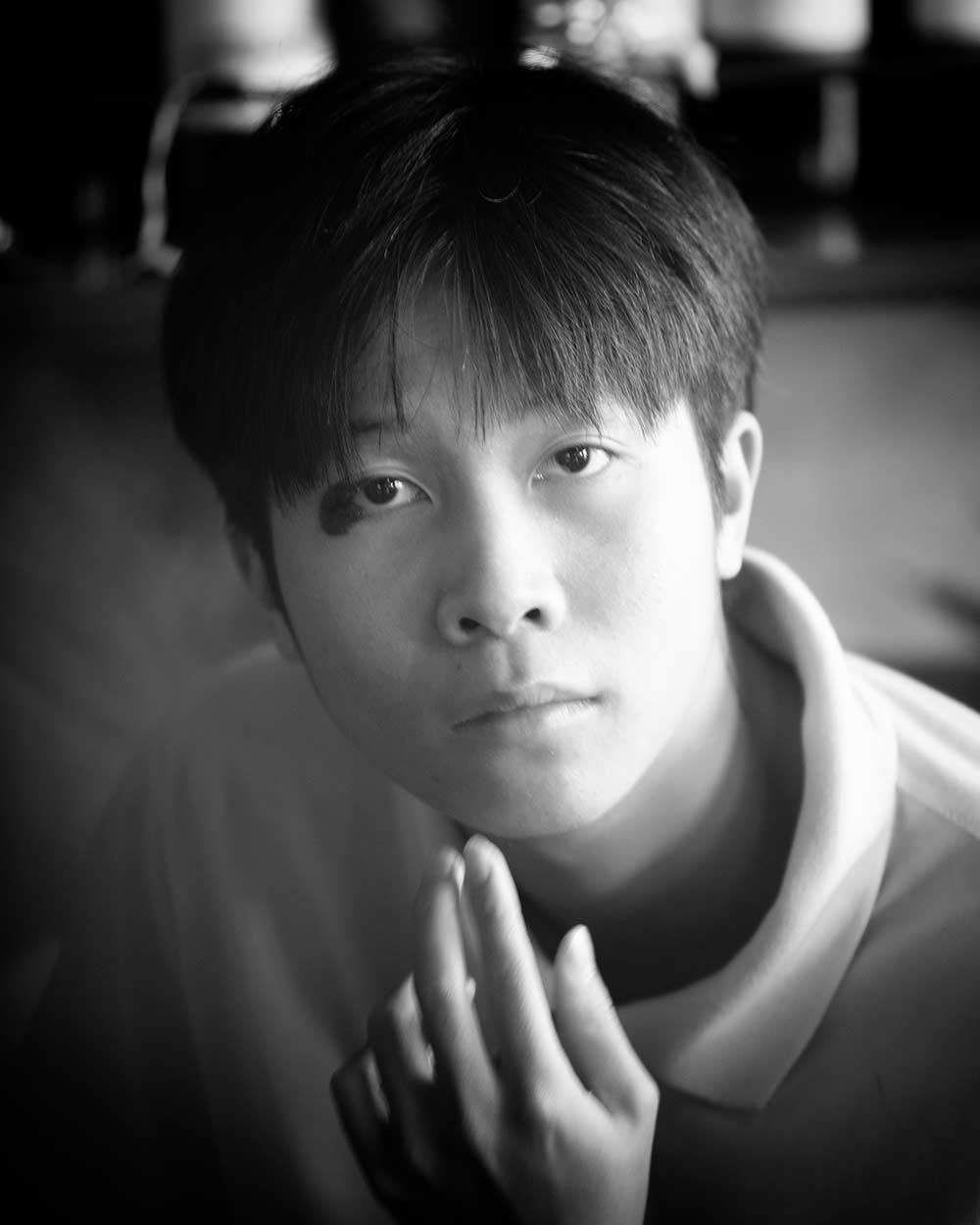
Portrait of a Young Man (Ha Long Bay)
Geoffrey Ansel Agrons ©All rights reserved.
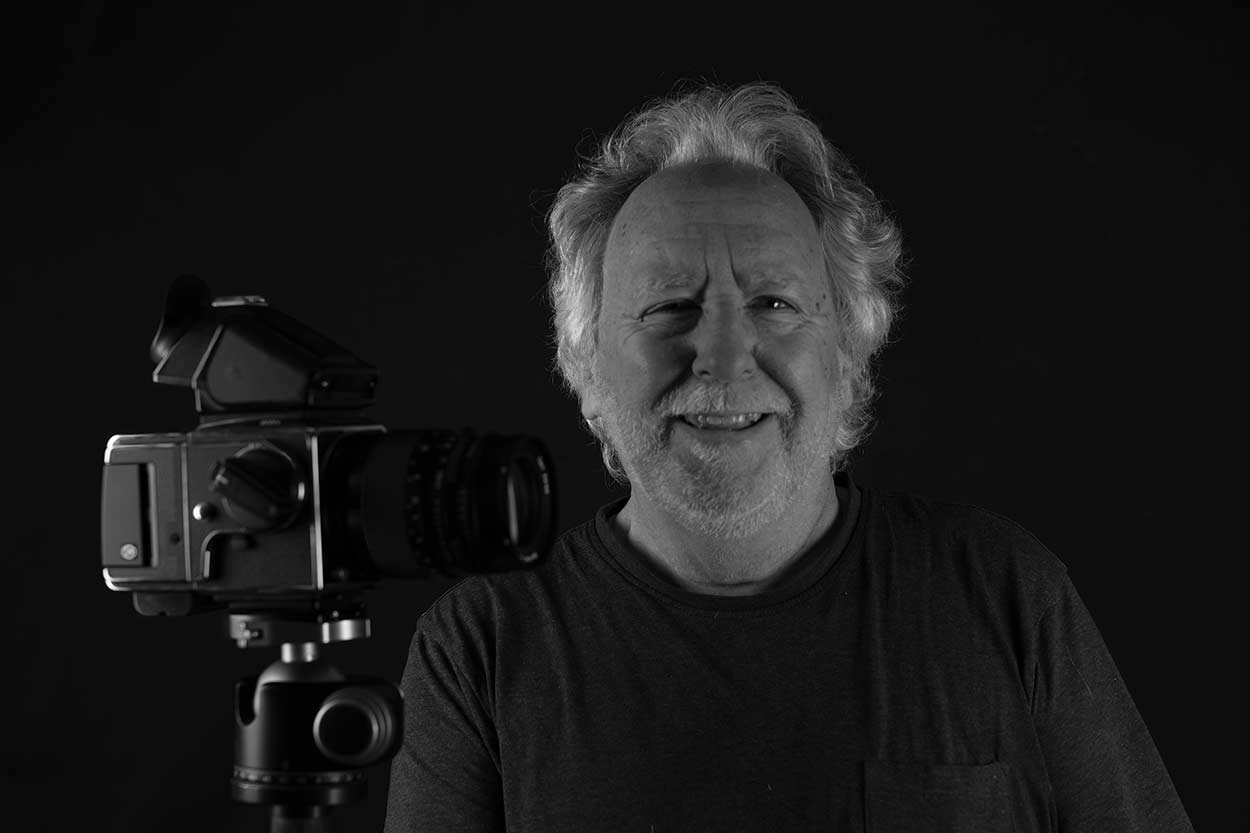
Geoffrey Ansel Agrons
“Given this history, I expected a degree of bitterness from older Vietnamese citizens. It never came. Instead, I was met with warmth and genuine hospitality throughout my journey.”
Geoffrey Ansel Agrons is an American fine-art photographer based in Philadelphia whose photographic practice emerged from an unusual relationship with images. Before becoming a photographer, Agrons trained in medicine and specialized in diagnostic radiology, spending his professional life interpreting images of the human interior. The analytical demands of radiology—anatomy, logic, problem-solving, and the search for meaning within an image—eventually led him to recognize a different possibility in photography: one grounded not in interpretation and certainty, but in immediate emotional response. In 2005, he acquired his first camera and began exploring the world beyond the darkened radiology reading room.
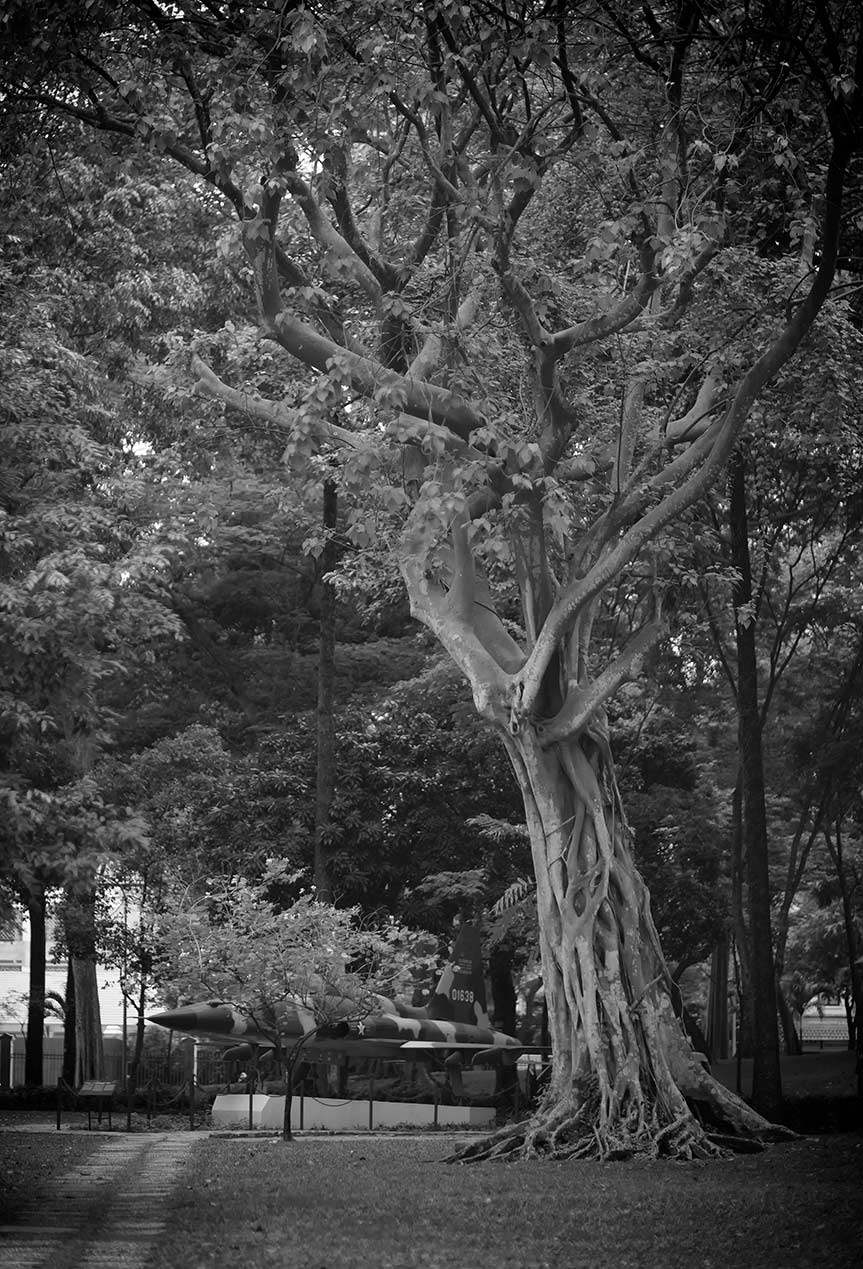
Zero One Six Three Eight (the Grounds of Reunification Hall, Ho Chi Minh City)
Geoffrey Ansel Agrons © All rights reserved.
Agrons’ work explores the uneasy coexistence between human populations and the natural world, as well as transition, impermanence, and the quiet traces that remain when familiar environments begin to change. His photographs often carry an ambiguous, haunting quality, inviting viewers to pause rather than providing a definitive narrative. He describes these images as “mementos mori,” or, more personally, “melancholigraphs”—photographs that leave behind an elusive emotional residue and suggest that something important may have been overlooked in our increasingly detached relationship with the sensual world.
Although his practice also includes color photography, Agrons has developed a particular commitment to black-and-white imagery. He is drawn to the ethereal qualities of monochrome and has explored archival inkjet printing on handmade Japanese Washi paper, as well as palladium contact printing for selected works.
Agrons’ extensive body of work includes series such as Advection, Hazardous Shorelines, Kodama (The Spirit of a Tree), The Memory Floor, Motion Sickness, Nuits Blanches (Sleepless Nights), Trespass, Compulsion, Diary of a Recluse, and At a Distance: Philadelphia in the Age of COVID-19.
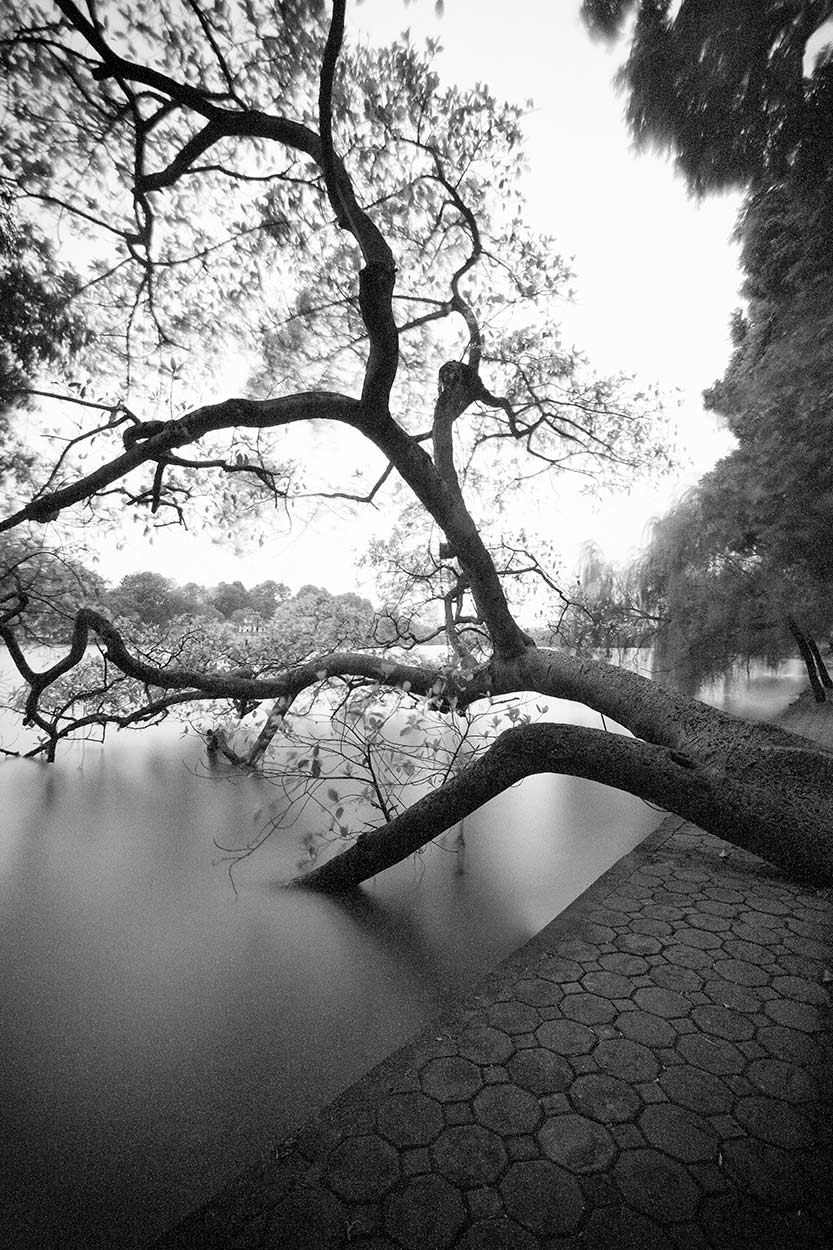
Incident at Hoan Kiem Lake, Ha Noi
Geoffrey Ansel Agrons © All rights reserved.
Agrons’ photographs have been presented in numerous juried exhibitions and have received significant recognition, including Honorable Mentions from The Center for Fine Art Photography in Colorado, a Juror’s Choice Award from Praxis Gallery and Photographic Arts Center in Minneapolis, Best Landscape at the Phillips’ Mill Photographic Exhibition in New Hope, Pennsylvania, and second place in the Open Lens III: Urban Visions competition presented by the Da Vinci Art Alliance in Philadelphia. His work is also represented on Rise Art, where he has been recognized as a “New & Noteworthy Artist.”
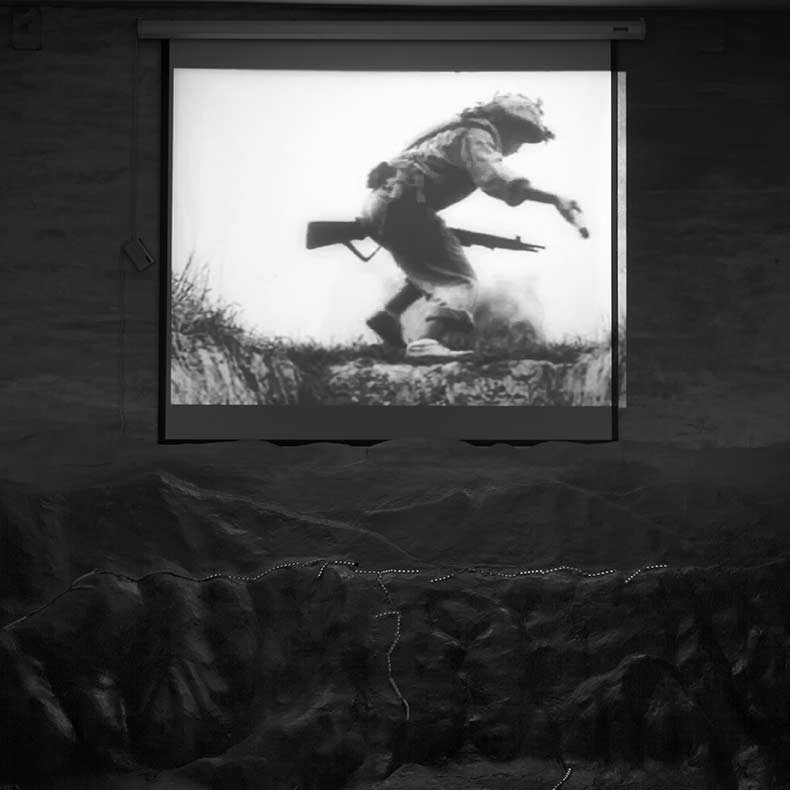
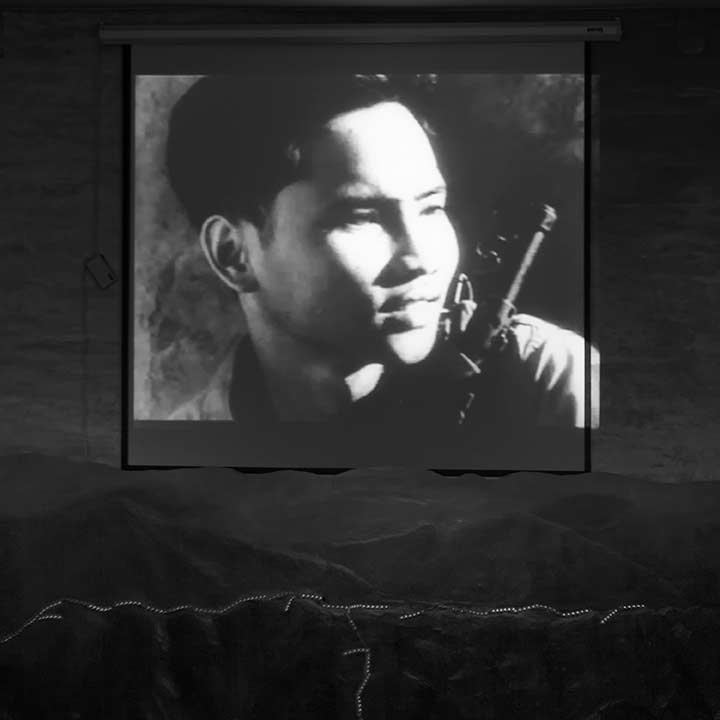
A Map of the World I
(Museum of Military History, Ha Noi)
Geoffrey Ansel Agrons © All rights reserved.
Right: Vietnam
A Map of the World II (Museum of Military History, Ha Noi)
Geoffrey Ansel Agrons © All rights reserved.
Born in Philadelphia in 1954, Agrons continues to live and work in the city. Through a practice that bridges analytical observation and emotional perception, he transforms ordinary landscapes, public spaces, and traces of human presence into quietly unsettling images that encourage us to look again—and to consider what may be disappearing just beyond our attention.
What Endures:
An American Photographer in Laos
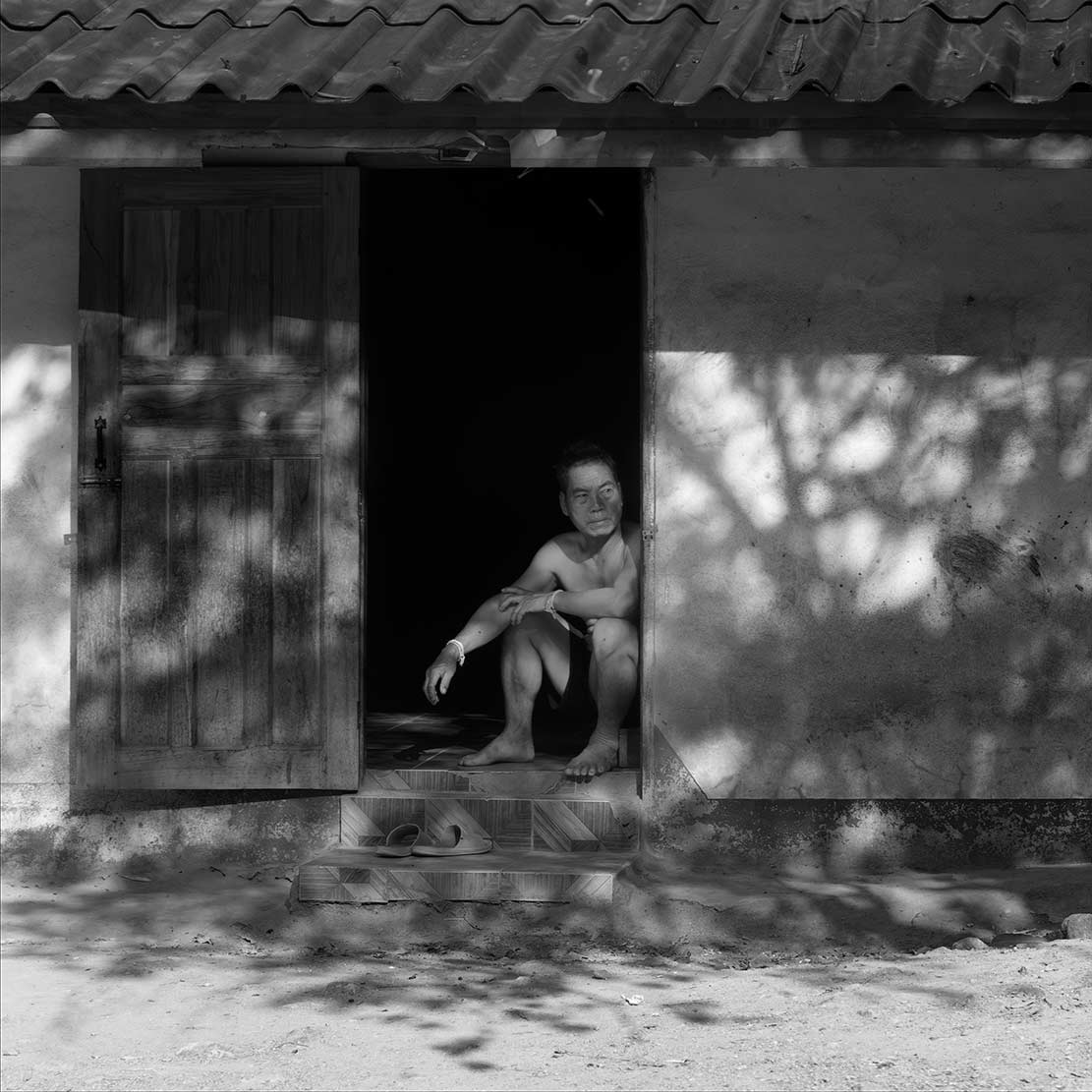
The Road North
Geoffrey Ansel Agrons © All rights reserved.
Geoffrey’s work typically explores the uneasy coexistence between human populations and the natural world. He is intrigued by transition and impermanence and favors material that leaves an inchoate emotional residue — the haunting suspicion that we may have forgotten something important in our inattention to the sensual realm. He has come to think of these mementos mori as “melancholigraphs.”
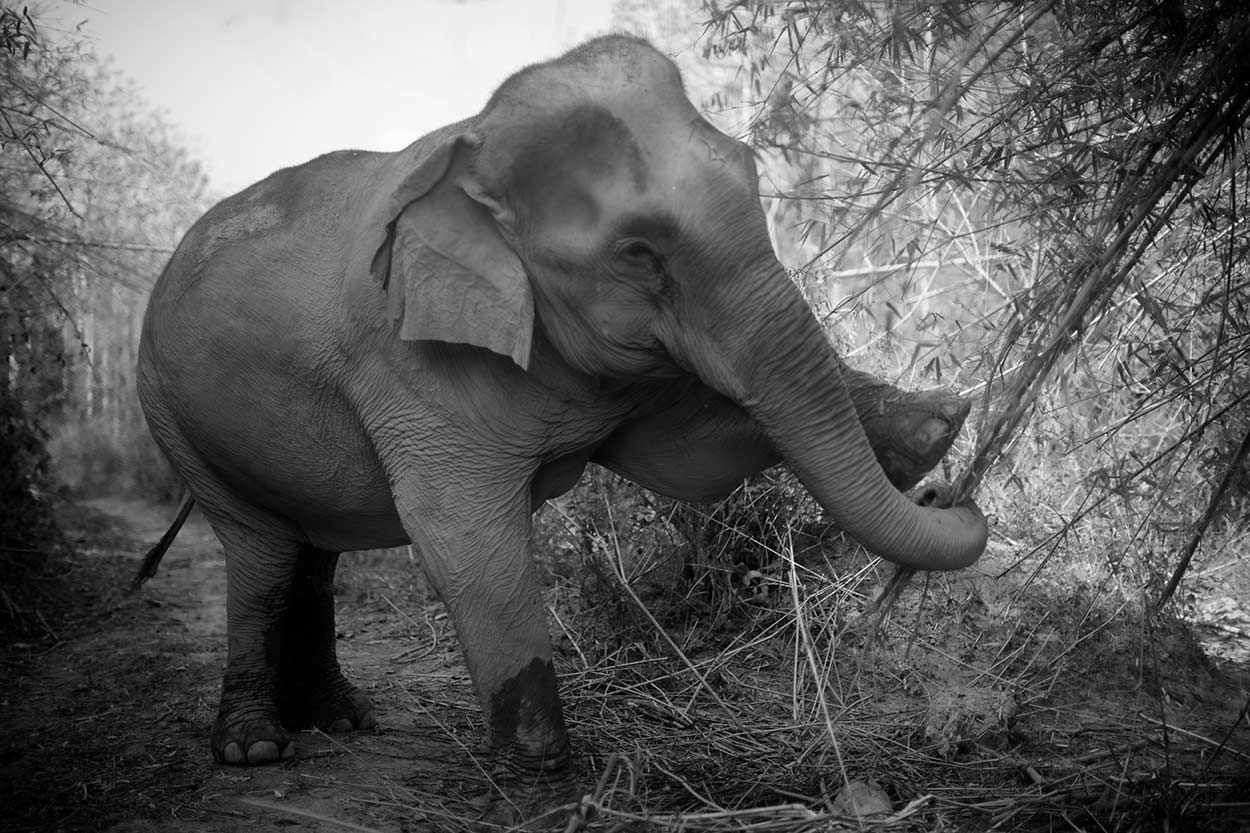
Sanctuary
Geoffrey Ansel Agrons © All rights reserved.
“In early 2026, I spent a month volunteering as a pediatric radiologist at the Lao Friends Hospital for Children in Luang Prabang. The work felt deeply purposeful. By the time children arrived from their outlying villages, their medical conditions were often severely advanced. I worked on extraordinary, often heartbreaking cases.
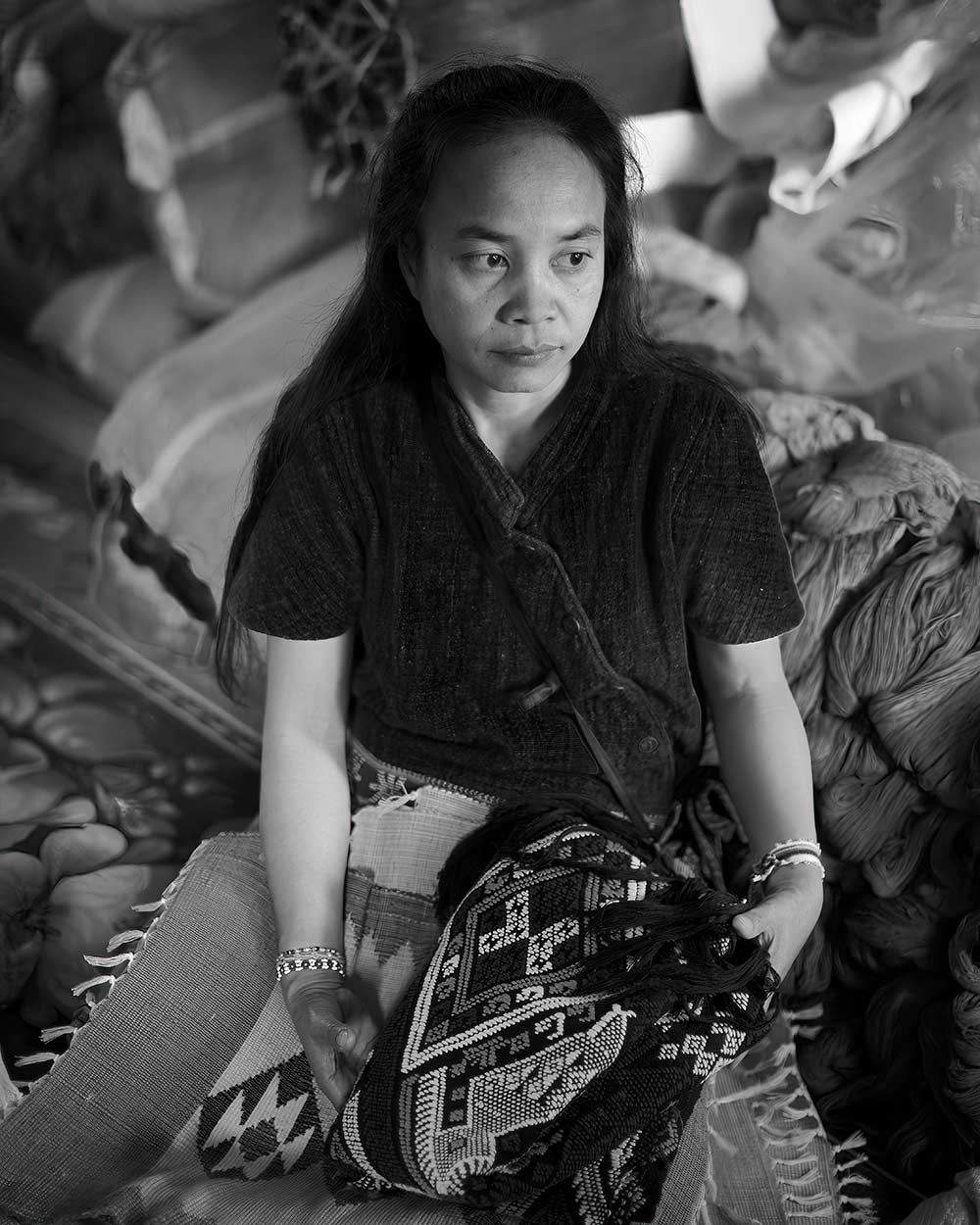
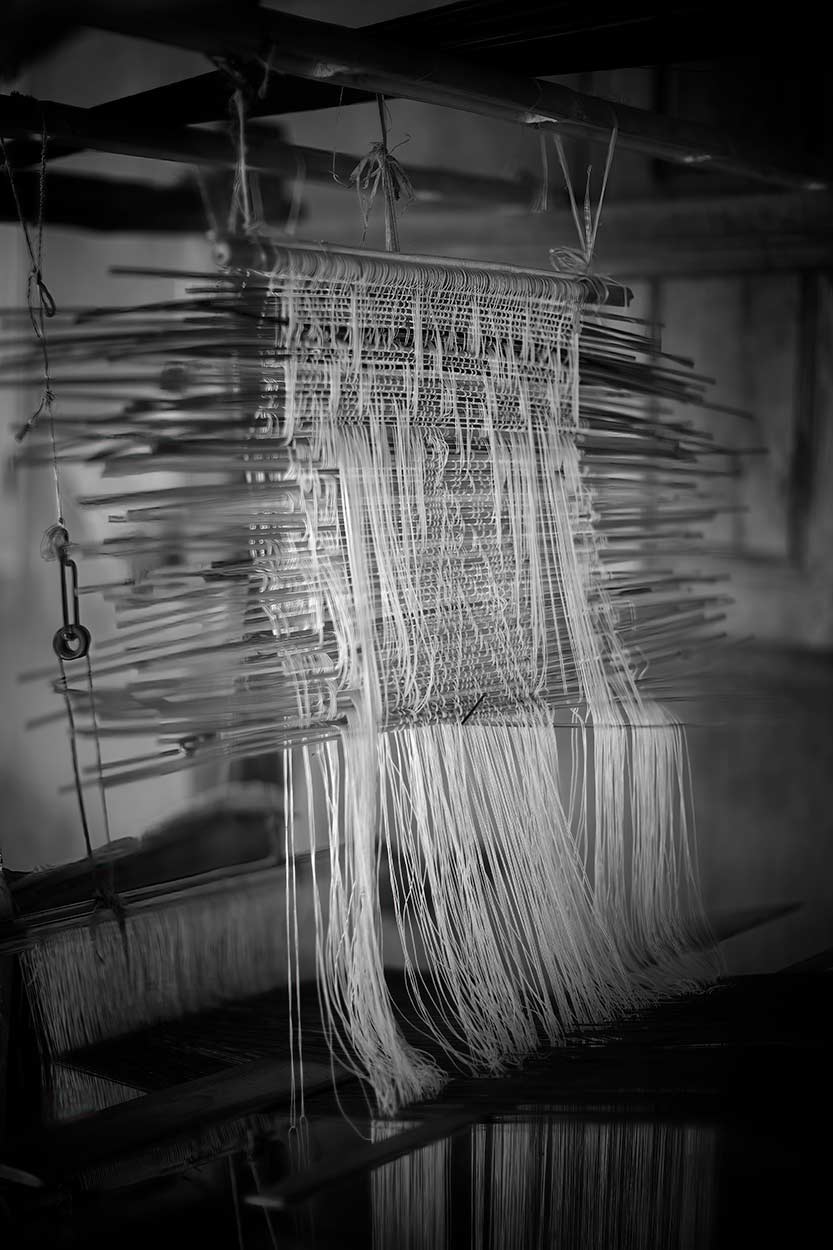
Weaving Village
Geoffrey Ansel Agrons © All rights reserved.
Right: Laos
Loom Study
Geoffrey Ansel Agrons ©All rights reserved.
Beneath this artistry lies a heavy history. Per capita, Laos bears the grim title of the most heavily bombed country in the world. By 1974, the conflict had killed roughly 200,000 people—a tenth of the population—and maimed twice as many. Unexploded ordnance continues to claim lives long after the war’s end.
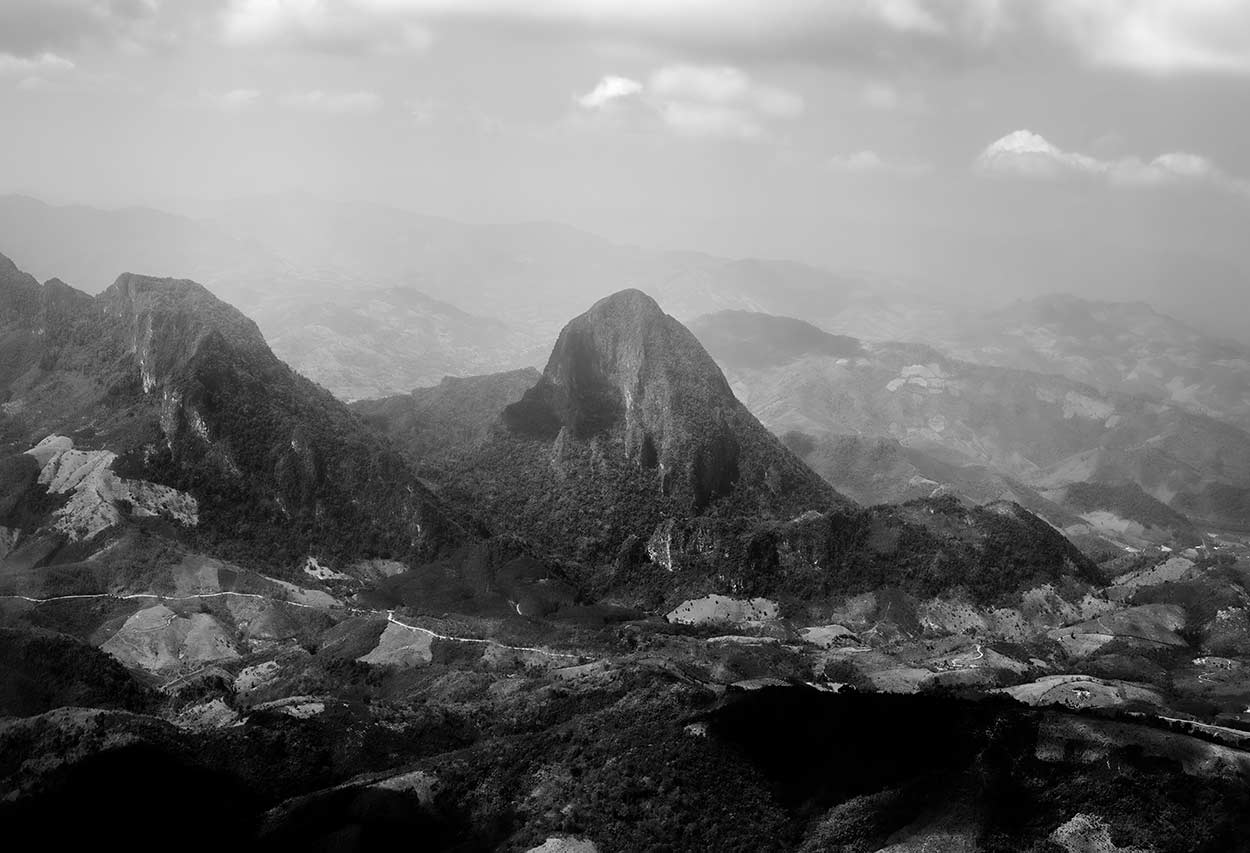
Luang Prabang Descent
Geoffrey Ansel Agrons © All rights reserved.
Later, we embarked on a five-hour journey north from Luang Prabang, navigating deeply rutted and dusty roads. Our guides were two sisters—weavers by trade—whom my physician colleagues had befriended over years of volunteering at the hospital. Thanks to them, we experienced a remote and fiercely beautiful part of the world where Laos’s profound poverty is inescapable. This landscape challenged my perspective as a photographer; I no longer felt like a tourist seeking to impose aesthetic order through a lens. Instead, I began to take photographs instinctively, without an agenda.
A boat journey up the Nam Ou River carried us past towering cliffs to reach several remote weaving communities. Here, traditional weaving is a multi-step artisanal legacy passed from mother to daughter. Locally harvested cotton and silk are cleaned and spun by hand, then bathed in natural plant pigments like indigo. Family members even custom-build the wooden handlooms. Our guides, members of the Katu ethnic group native to the Annam Mountains, grew up immersed in a similar heritage. Their traditional belief in nature spirits beautifully informs the intricate design elements of their backstrap weaving.
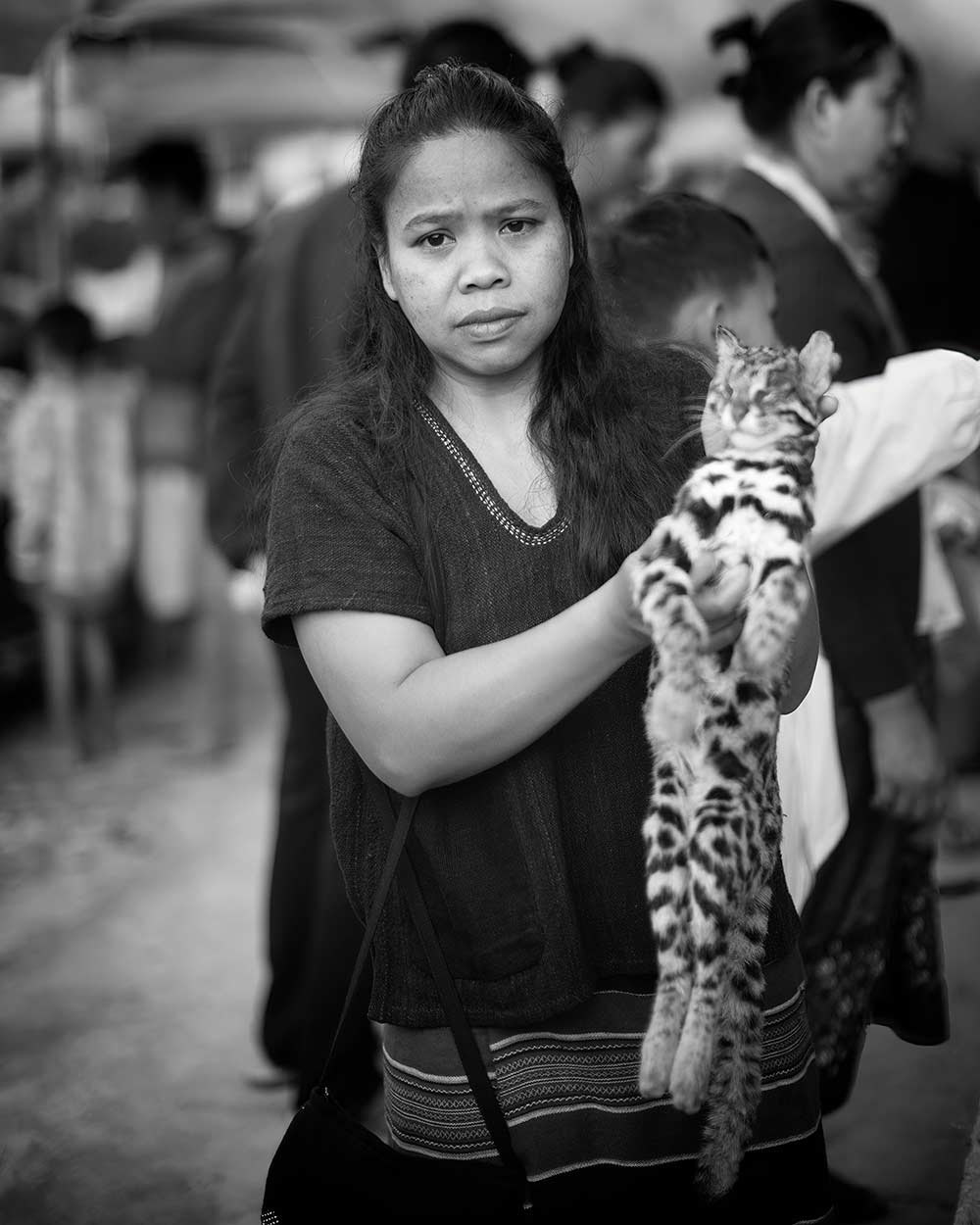
Laos
Geoffrey Ansel Agrons © All rights reserved.
Yet, beneath this artistry lies a heavy history. Per capita, Laos bears the grim title of the most heavily bombed country in the world. By 1974, the conflict had killed roughly 200,000 people—a tenth of the population—and maimed twice as many. Unexploded ordnance continues to claim lives long after the war’s end. Ultimately, I chose not to photograph the ubiquitous displays of cluster bomb casings that serve as grim souvenirs of a darker era, choosing instead to focus my camera on the enduring resilience of the people.
VISIT: agrons.com
Riseart: artist/100/geoffrey-ansel-agrons