

Threshold of Becoming
By Farid Azadi
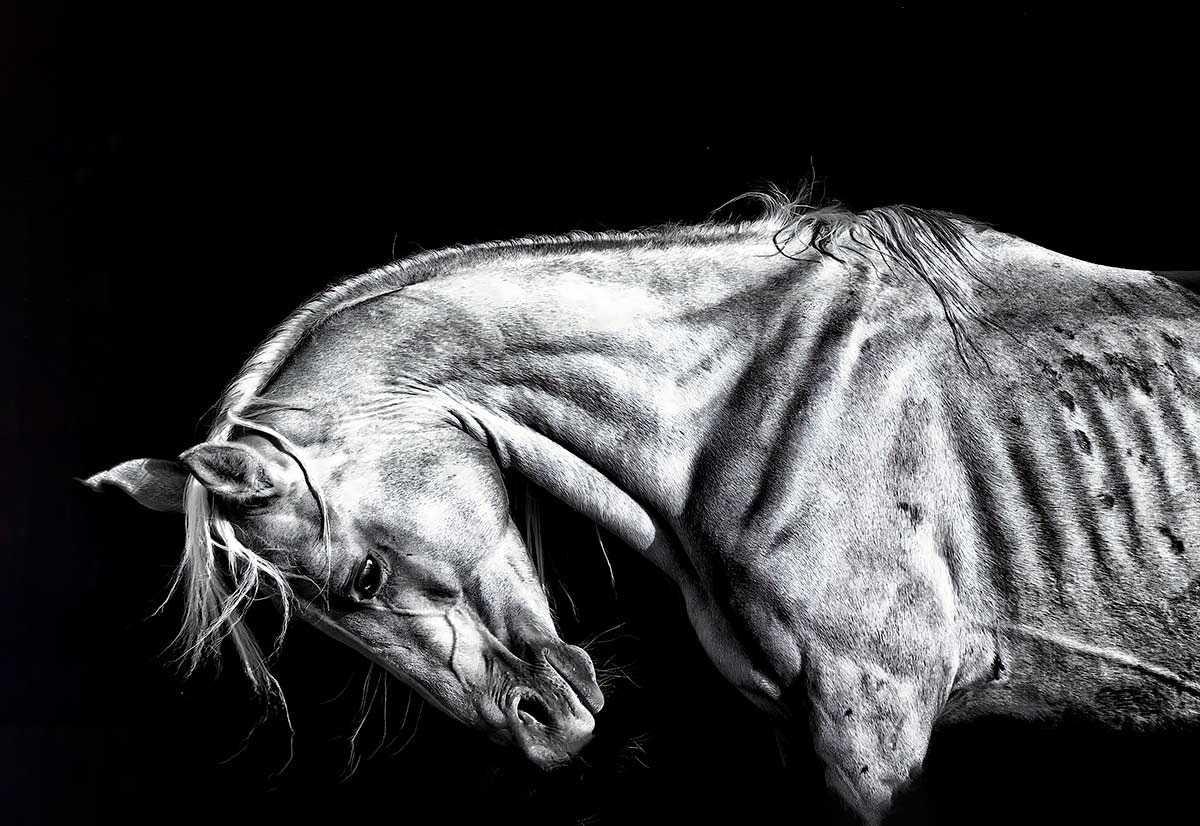
Farid Azadi © All rights reserved.
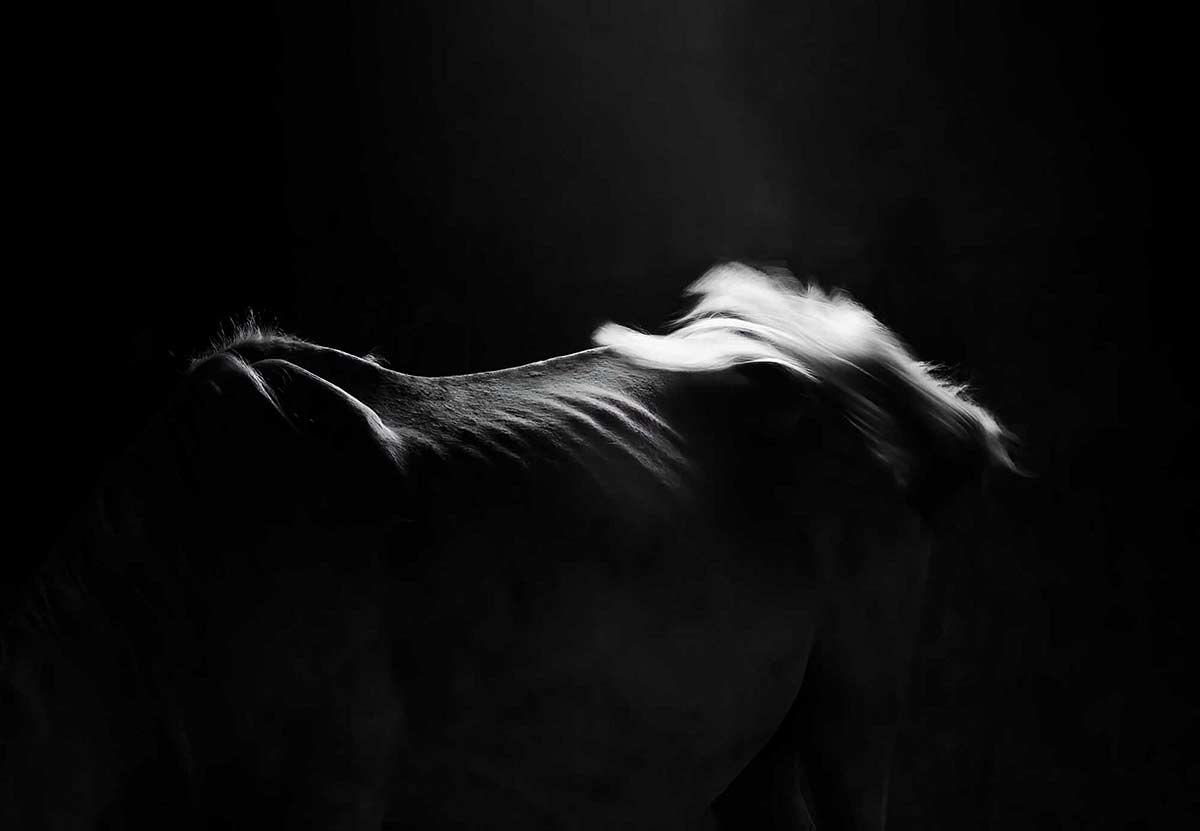
“Threshold of Becoming is a photographic exploration of transition—the unstable space between presence and absence, visibility and concealment, isolation and connection.
ather than presenting complete narratives or identifiable characters, the images isolate fragments of encounters: a body passing through light, a figure disappearing into shadow, a gesture interrupted by architecture, or a moment when the boundary between the individual and the surrounding space becomes uncertain.
The title refers to a state of becoming rather than a finished condition. The figures appear to exist between states—between being seen and remaining hidden, between belonging to a place and being separated from it.”
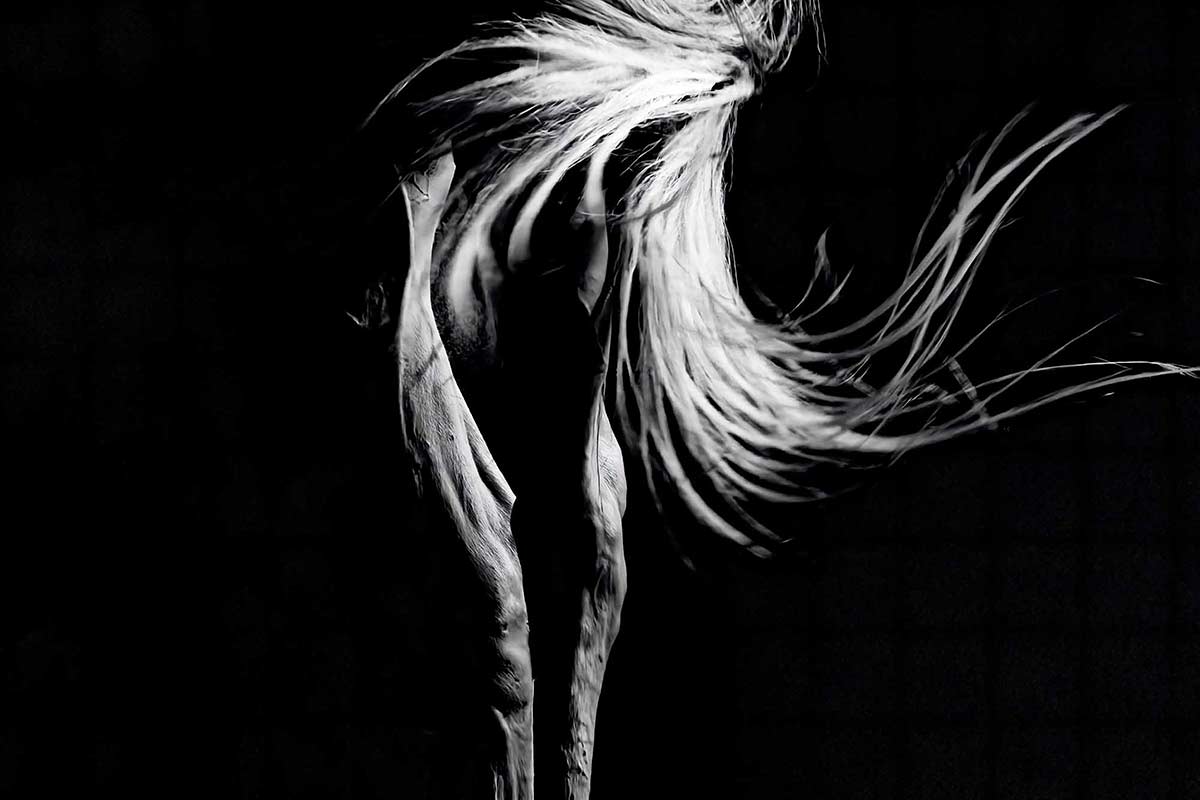
Threshold of Becoming
Farid Azadi © All rights reserved.
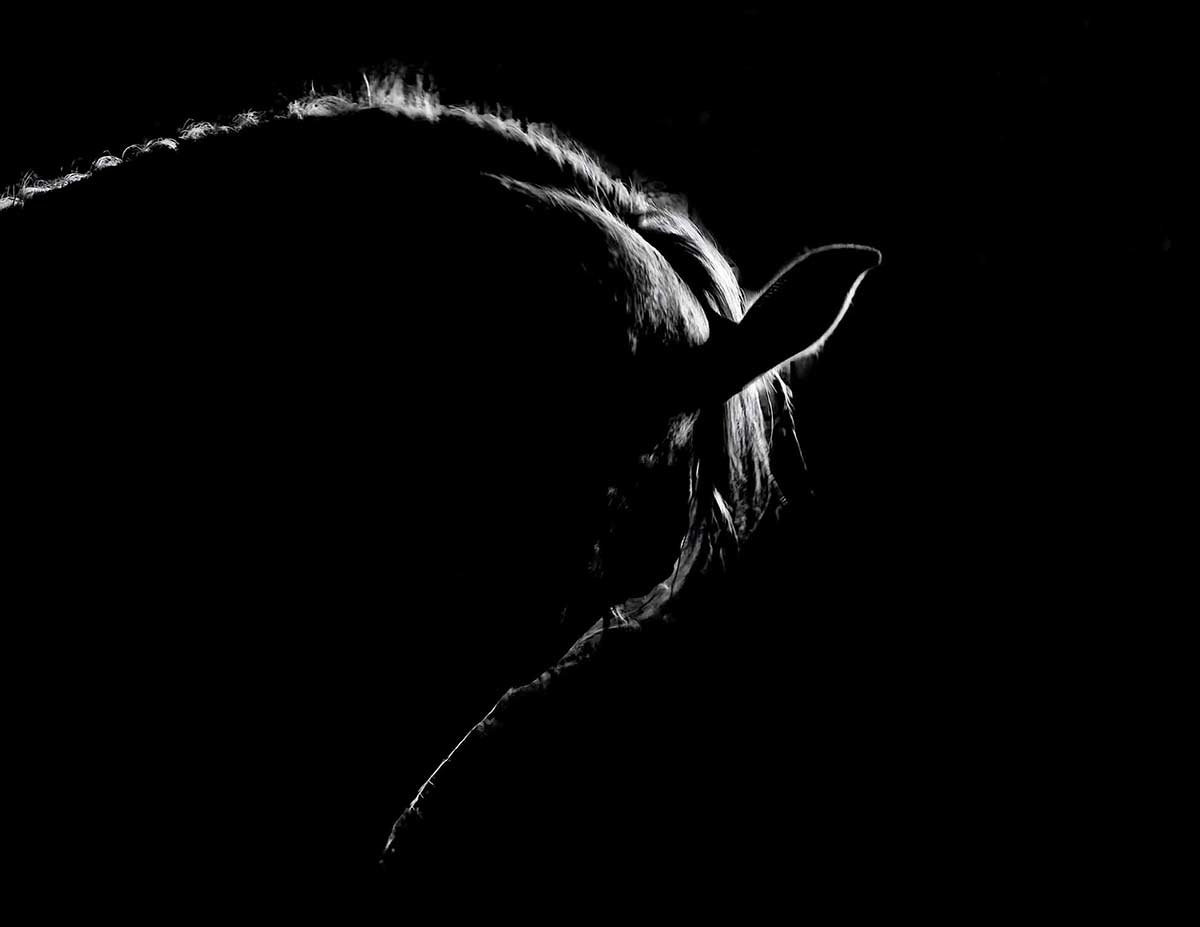
Light is not simply a means of illumination within the series. It becomes a structural element, dividing the visible from the invisible. Shadows conceal as much as they reveal, while small fragments of detail resist complete disappearance.
“I am interested in the moments when something is present, yet not completely visible. For me, photography is a way of looking at the space between revelation and concealment. I am drawn to people, urban spaces, light, and shadow because they let me explore this uncertain territory without necessarily offering a clear answer. “
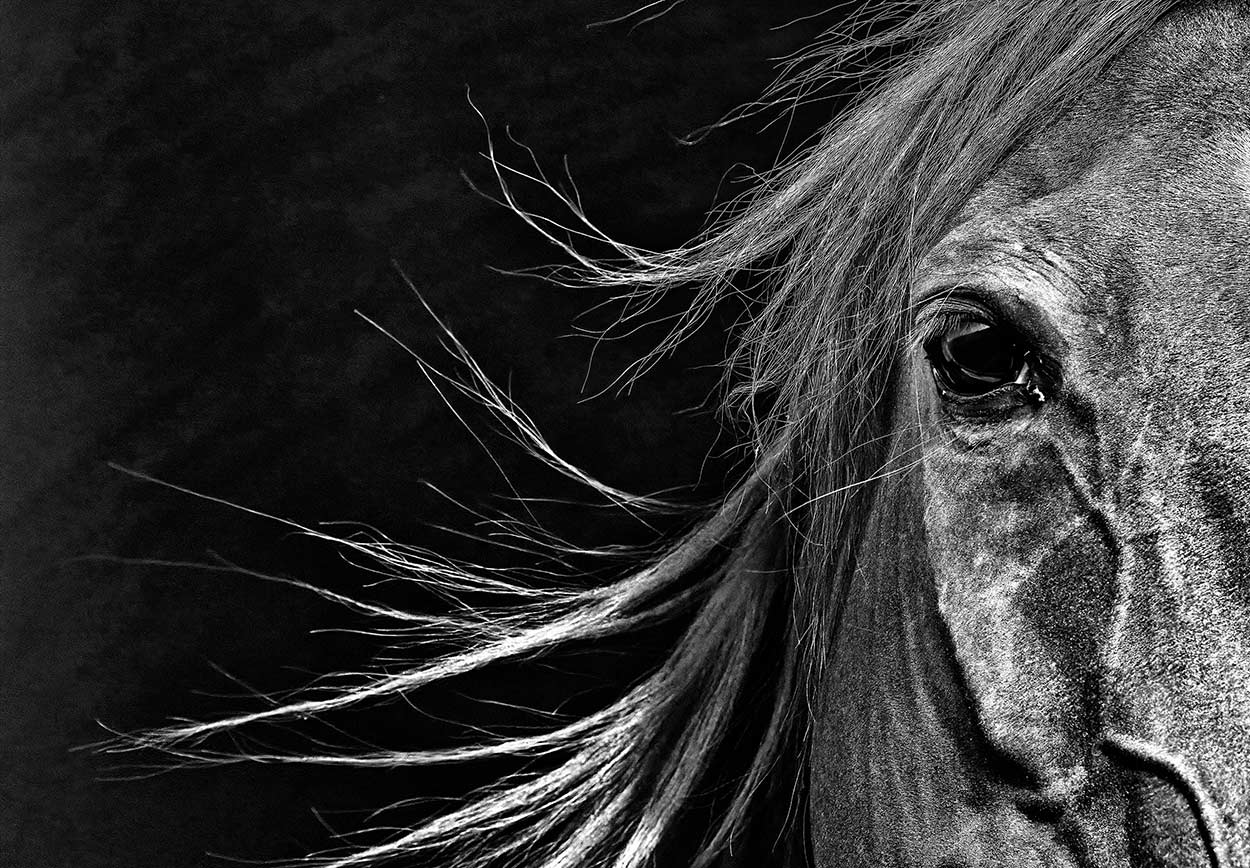
Threshold of Becoming
Farid Azadi ©
All rights reserved.
“I often work with back light and strong contrasts. But I am not interested in turning the human figure into a completely anonymous silhouette. I prefer to leave a trace—a gesture,
a hand, a fragment of the face, or a small detail that lets the viewer sense someone’s presence without fully knowing who they are. “
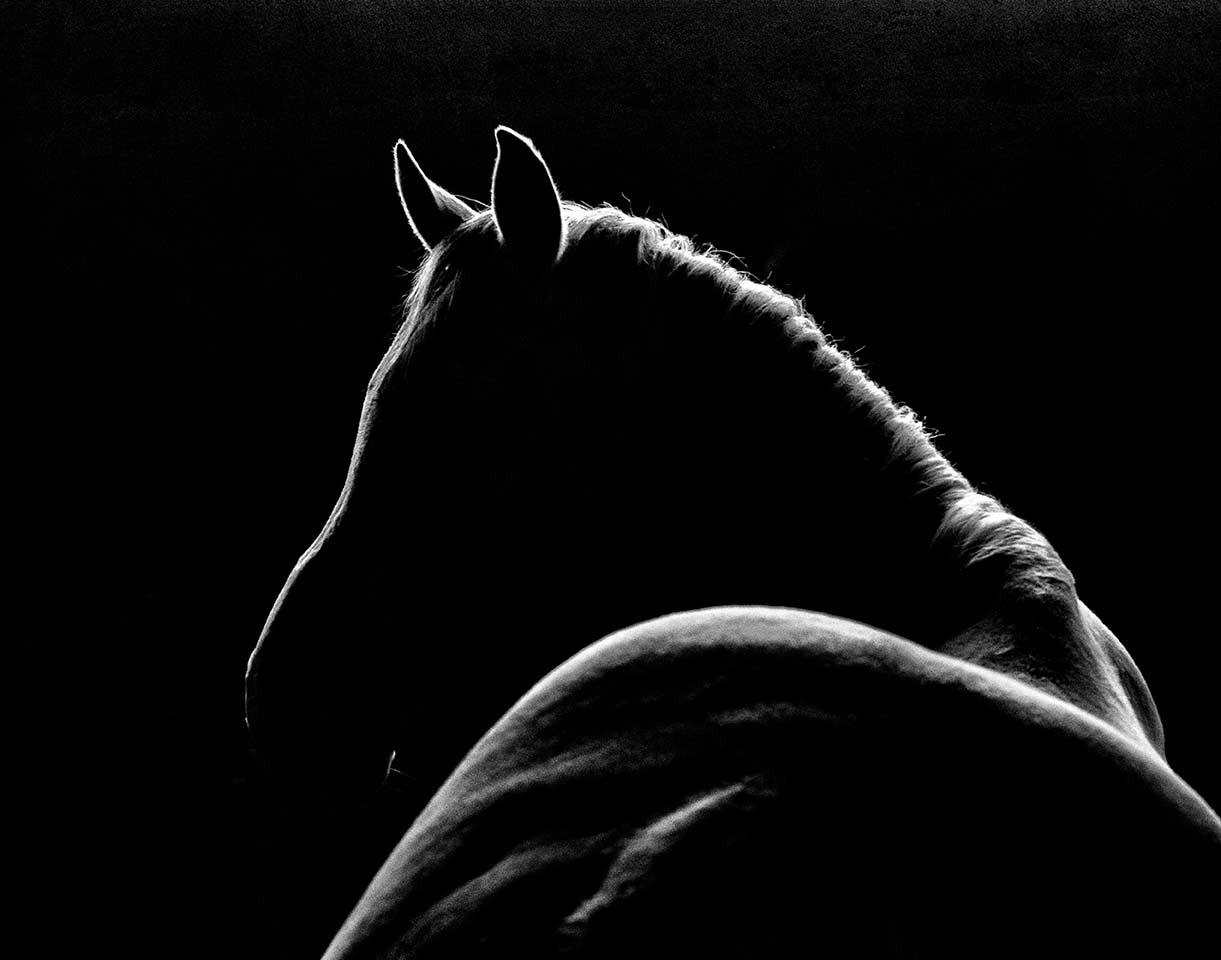
Threshold of Becoming
Farid Azadi © All rights reserved.
The series does not attempt to construct a single narrative. Instead, each image functions as an open fragment, leaving space for the viewer to complete what remains unseen.
In this sense, Threshold of Becoming is less about documenting a particular place or moment and more about observing the quiet transformations that occur when a presence meets light and time.
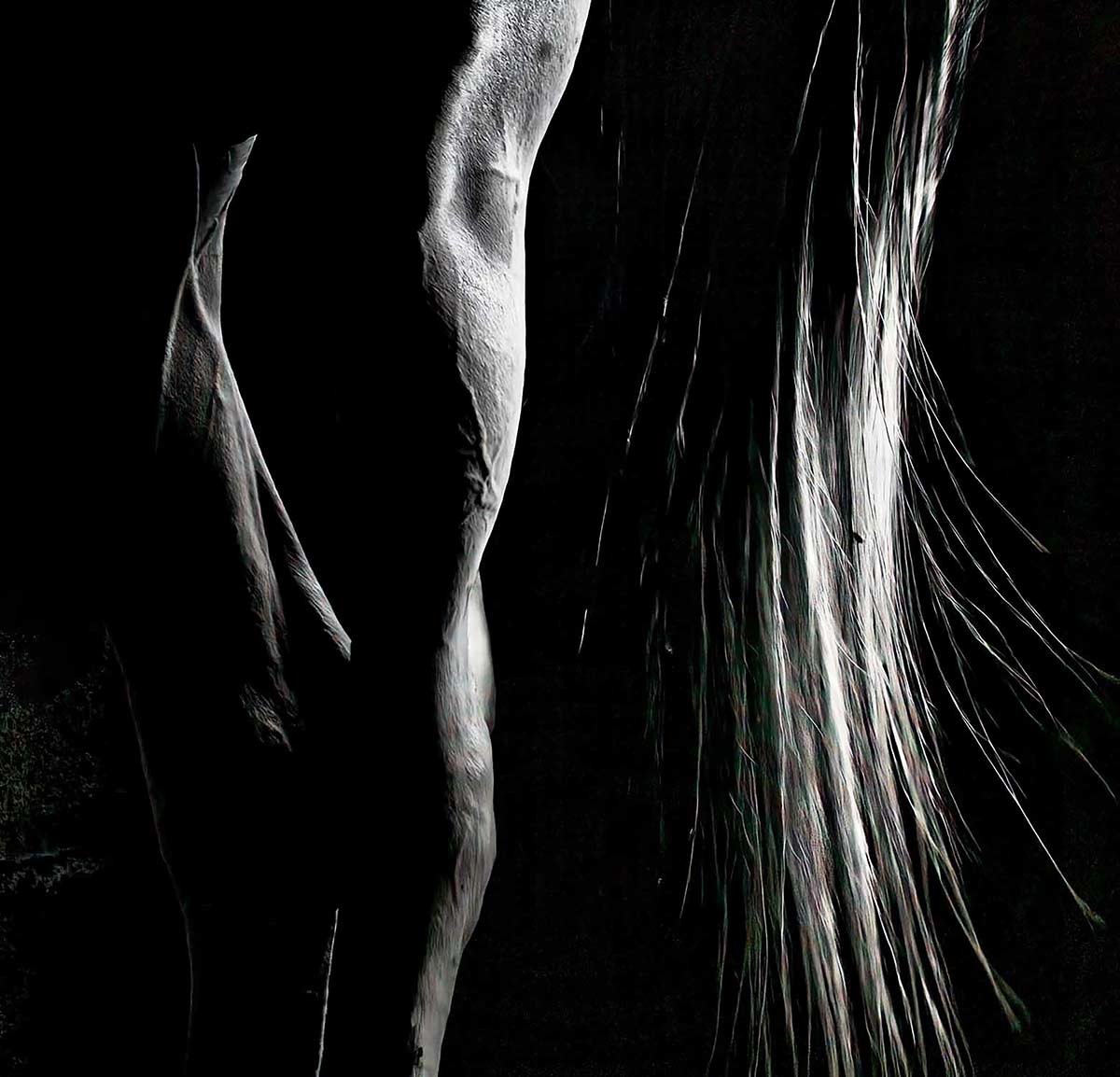
Right: Marble and Silk
Threshold of Becoming
Farid Azadi © All rights reserved.
Farid Azadi
“Minimalism plays an important role in my visual language. I remove what is unnecessary from the frame and allow a limited number of elements to create tension. The less information an image provides, the more space it leaves for the viewer’s imagination.
My background in mathematics has also shaped how I see. I am sensitive to geometry, proportion, repetition, structure, and the relationships between elements. Yet photography introduces something mathematics cannot completely contain: the unpredictable human moment. I do not photograph to explain reality. I photograph to hold a moment of uncertainty. For me, the strongest image is often the one that remains partially unresolved.”
Threshold of Becoming
Farid Azadi © All rights reserved.
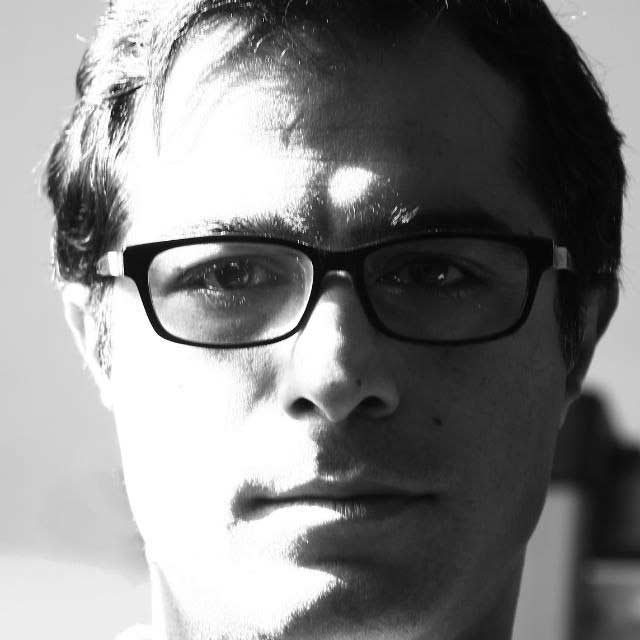
Farid Azadi is an Iranian photographer and mathematician whose photographic practice explores the fragile relationship between human presence, space, light, and silence.
Working primarily with people and urban environments, Azadi approaches photography as a way to observe moments when reality appears suspended between what is visible and what remains concealed. His images often emerge from ordinary situations, yet through careful framing, light, shadow, and the isolation of visual elements, they acquire a quiet, contemplative tension.
At the heart of his work is an interest in the human figure—not simply as a subject, but as a presence within a larger visual and psychological space. His photographs frequently place individuals against architectural structures, streets, windows, walls, or expanses of darkness. These environments can appear simultaneously familiar and distant, creating ambiguity that invites the viewer to question what lies beyond the visible image.
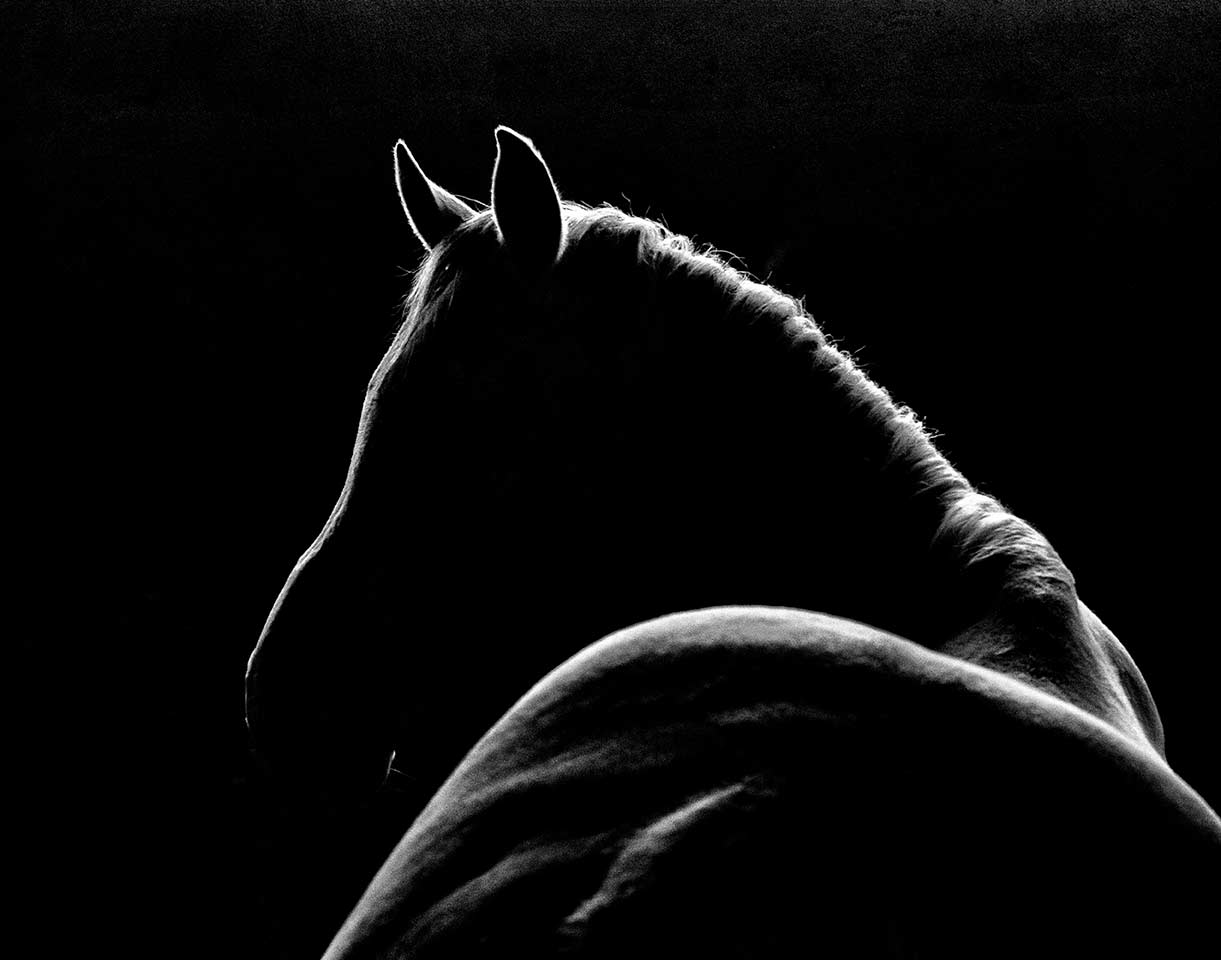
Light plays a particularly important role in Azadi’s photography. Rather than using light merely to illuminate a subject, he often treats it as an independent visual element. Backlighting, silhouettes, reflections, and sharp contrasts between illuminated and hidden areas become tools for exploring the boundaries between presence and absence.
Yet his figures are rarely reduced to complete silhouettes. A fragment of a face, a gesture, the position of a hand, or a small detail within the darkness may remain visible. These details create a delicate balance between revelation and concealment. The viewer has enough information to recognize a human presence, but never enough to fully resolve the story.
This tension is particularly evident in Threshold of Becoming. The title suggests a transitional state—a moment between what something has been and what it may become. Rather than presenting a definitive narrative, the work creates a visual threshold where identity, movement, space, and perception remain open.
Light plays a particularly important role in Azadi’s photography. Rather than using light merely to illuminate a subject, he often treats it as an independent visual element. Backlighting, silhouettes, reflections, and sharp contrasts between illuminated and hidden areas become tools for exploring the boundaries between presence and absence.
Threshold of Becoming
Farid Azadi © All rights reserved.
For Azadi, photography is therefore not necessarily about explaining a moment. It is about preserving its uncertainty.
His approach is closely connected to his interest in minimalism. He often removes unnecessary visual information from the frame, allowing a small number of elements to carry the weight of the image. A person, a shadow, a geometric structure, or a narrow passage of light can be enough to construct an entire visual world.
This minimalism does not necessarily lead to simplicity. Instead, it creates space for ambiguity.
The viewer is invited to remain inside the photograph rather than simply passing through it.
Azadi’s background in mathematics also forms an intriguing parallel with his photographic practice. Mathematics and photography may appear to belong to fundamentally different worlds, yet both involve structure, relationships, proportion, boundaries, and the search for patterns within complexity. His photographic compositions often reveal an awareness of geometry and spatial relationships, while his mathematical background provides another way of thinking about order and abstraction.
Nevertheless, Azadi’s photographs are not mathematical exercises. Their strength lies in the tension between structure and unpredictability. Within carefully constructed frames, human behavior introduces an element that cannot be completely controlled. This is where his interest in people becomes particularly important.
A gesture can transform a geometric composition. A passing figure can disrupt an otherwise ordered space. A shadow can create a second, ambiguous presence. A moment that lasts only a fraction of a second can fundamentally change the meaning of the frame.
Azadi’s photographs therefore exist somewhere between observation and construction. He observes the world, but he also waits for the precise relationship between its elements to emerge. His interest in urban spaces is similarly selective. Rather than documenting cities through their most recognizable landmarks, he often looks toward their less obvious visual transformations: modern architecture, changing public spaces, anonymous structures, and the traces of human activity within them.
The city becomes less a geographical location and more a stage for encounters between people, architecture, light, and time.
Azadi’s work frequently explores the human figure within changing urban environments, examining themes of identity, isolation, transition, visibility, and concealment. Backlighting and high-contrast compositions recur in his visual language, allowing him to move between what is revealed and what remains hidden.
Threshold of Becoming
Farid Azadi © All rights reserved.
Black-and-white photography is particularly compatible with this approach. By removing color, Azadi reduces one layer of information and places greater emphasis on luminosity, texture, form, gesture, and spatial relationships. The resulting images often feel suspended from a specific time and place. This timeless quality is central to his photographic language.
His work does not offer easy answers. Instead, it asks the viewer to slow down and look again—to notice the small detail within the darkness, the figure at the edge of the frame, the unexpected relationship between a person and a wall, or the moment when light transforms an ordinary space.
Ultimately, Farid Azadi’s photography is concerned with thresholds: between light and darkness, presence and absence, visibility and concealment, order and uncertainty, the individual and the city.
Within these thresholds, his images find their meaning.
And perhaps this is what Threshold of Becoming ultimately represents: not a destination, but a moment of transition—a state in which something is not yet fully revealed, but is already beginning to emerge.
Instagram: @farid_azadi